
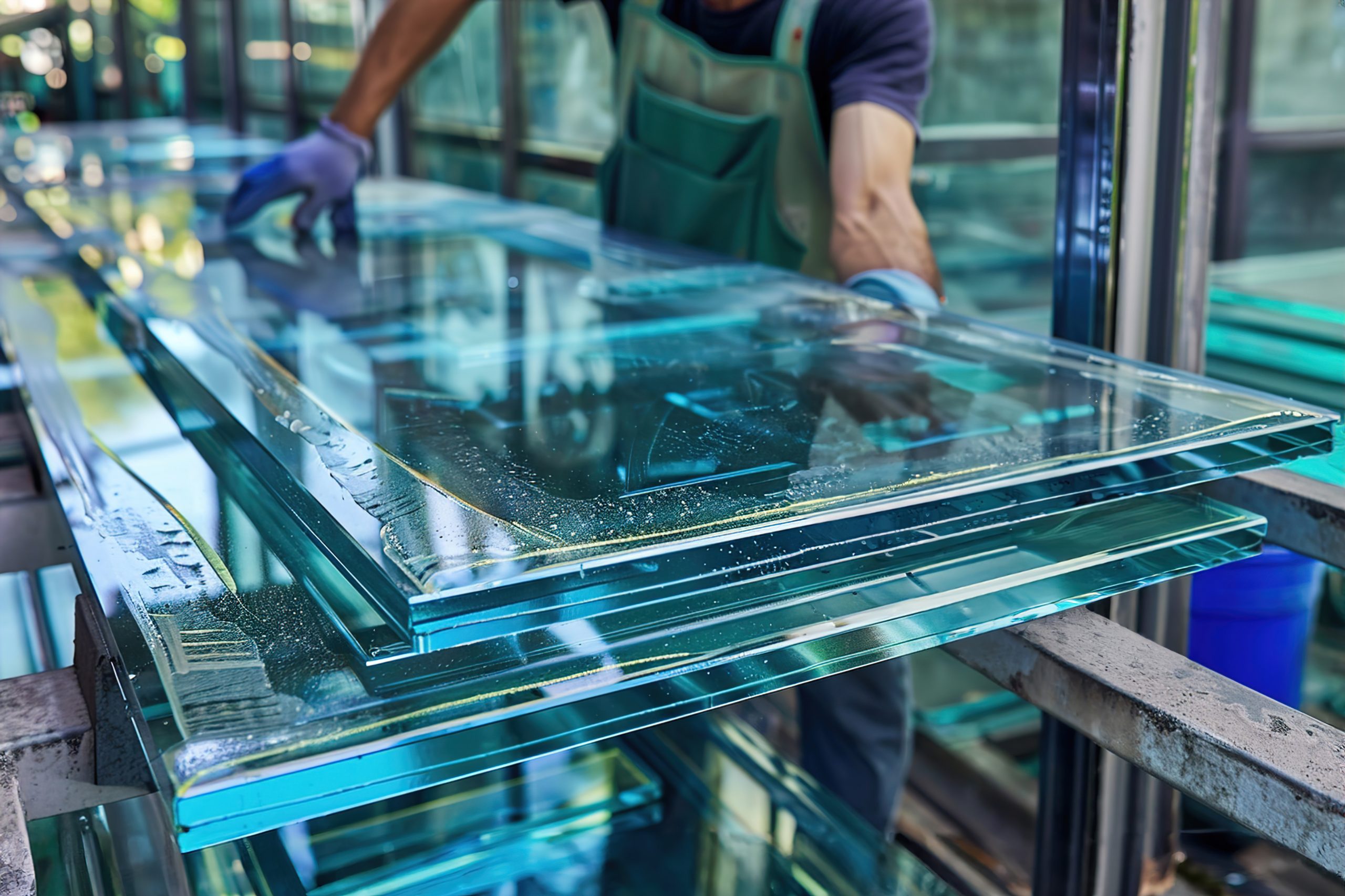
Malaysia’s laminated glass market is benefiting from expanding construction activity, growing urban development, and rising interest in safer, energy-efficient building materials. Laminated glass is increasingly used in façades, windows, partitions, skylights, balustrades, and automotive applications because its interlayer helps hold broken glass together. Malaysia’s construction sector recorded RM47.8 billion in work done in Q2 2026, up 8.8% year-on-year, while the first half reached RM94.3 billion, an 8.7% increase. Non-residential construction also grew 13.3% during Q2, creating opportunities for architectural glazing suppliers.
Key Drivers Shaping Malaysia’s Laminated Glass Industry
Construction Growth Increasing Demand for Safety Glass
Malaysia’s expanding construction pipeline is creating a broader customer base for laminated glass manufacturers and processors. In Q2 2026, non-residential building work reached RM14.0 billion, representing 29.3% of total construction activity, while residential building work reached RM10.9 billion. The non-residential segment grew 13.3%, supported by continued development of commercial and institutional properties. This activity supports demand for glazing products that combine safety, durability, aesthetics, and acoustic performance. Laminated glass can be particularly relevant for high-traffic buildings and applications where occupant safety is a major consideration.
Energy Efficiency Supporting Advanced Glazing
Energy performance is becoming increasingly important in Malaysia’s building sector. MS 1525 provides guidance for energy efficiency and renewable-energy use in non-residential buildings, including building-design and system-efficiency considerations. For glass suppliers, this creates opportunities to offer laminated configurations combined with solar-control, low-emissivity, or other high-performance glazing technologies. Such products can help developers address thermal comfort and building-envelope requirements while maintaining design flexibility.
Automotive Applications Expanding Market Opportunities
Malaysia’s automotive ecosystem also provides opportunities for laminated glass. Windshields and other vehicle glazing applications require safety-focused glass, while manufacturers increasingly consider acoustic comfort, solar control, and design characteristics. This creates a market beyond conventional architectural applications and allows specialized processors to serve both construction and automotive customers.
Government Initiatives Supporting Malaysia’s Laminated Glass Market
Malaysia’s energy-efficiency agenda is creating a supportive environment for high-performance building materials. The Energy Efficiency and Conservation Act 2024 came into force on 1 January 2025 and establishes a framework for improving energy efficiency across industrial, commercial, and residential sectors. In addition, the National Energy Efficiency Policy and Action Plan 2.0 was published in August 2026, reinforcing the country’s longer-term efficiency objectives. These initiatives can support demand for more efficient building-envelope solutions.
Competitive Insights of Malaysia’s Laminated Glass Industry
Malaysia has a mix of international manufacturers, regional suppliers, and specialized glass processors. Saint-Gobain Malaysia operates across construction products and innovative materials, including flat glass, with a combined Malaysia-Singapore footprint of 14 manufacturing plants and three distribution hubs. Other market participants include Pilkington Glass (M) and Ajiya, alongside specialized processors serving architectural and automotive requirements. Competition is increasingly centered on product quality, customization, processing capability, sustainability, and delivery reliability.
Challenges Faced Within Malaysia’s Laminated Glass Industry
Production Costs and Energy Requirements
Glass manufacturing and processing can be energy-intensive, leaving producers exposed to electricity, fuel, and raw-material costs. Maintaining competitive pricing while investing in advanced equipment and energy-efficient production can therefore remain challenging.
Technical and Recycling Considerations
Laminated glass requires specialized processing and separation because the glass and interlayer must be handled appropriately at end of life. Building a stronger recycling ecosystem and improving collection practices could help Malaysian suppliers respond to increasing sustainability expectations while reducing material waste.
Future Outlook
The next phase of Malaysia’s laminated glass market is likely to be shaped by a combination of construction growth and changing expectations around building performance. The latest construction data provides a useful signal: activity continued expanding by 8.8% in Q2 2026, with non-residential buildings growing 13.3%. At the same time, government energy-efficiency measures are encouraging developers to think beyond basic glazing toward better-performing building envelopes. For laminated glass suppliers, this could mean greater demand for multifunctional products that combine safety, solar control, acoustic comfort, aesthetics, and energy performance. Manufacturers able to pair these features with efficient production and stronger sustainability credentials will have opportunities across Malaysia’s evolving construction landscape.
Consultants at Nexdigm, in their latest publication “Malaysia Laminated Glass Market Outlook to 2035,” analyze the sector By Product Type (PVP, SGA, Resin, Acoustic, EVA, Coloured, Low E Laminated Glass), By Interlayer Type (Polyvinyl Butyral, Ethylene Vinyl Acetate, SentryGlas Plus and Specialty Acoustic Interlayers), By Applications (Marine Glazing, Skylines and Canopies)
Nexdigm suggests that businesses in Malaysia’s Laminated Glass Industry should proritize making investments in customized products, designed for green buildings and modern infrastructure projects. They should also focus on strengthening partnerships with architects, developers, and construction firms that can help expand market opportunities.
To take the next step, simply visit our Request a Consultation page and share your requirements with us.
Harsh Mittal
+91-8422857704