
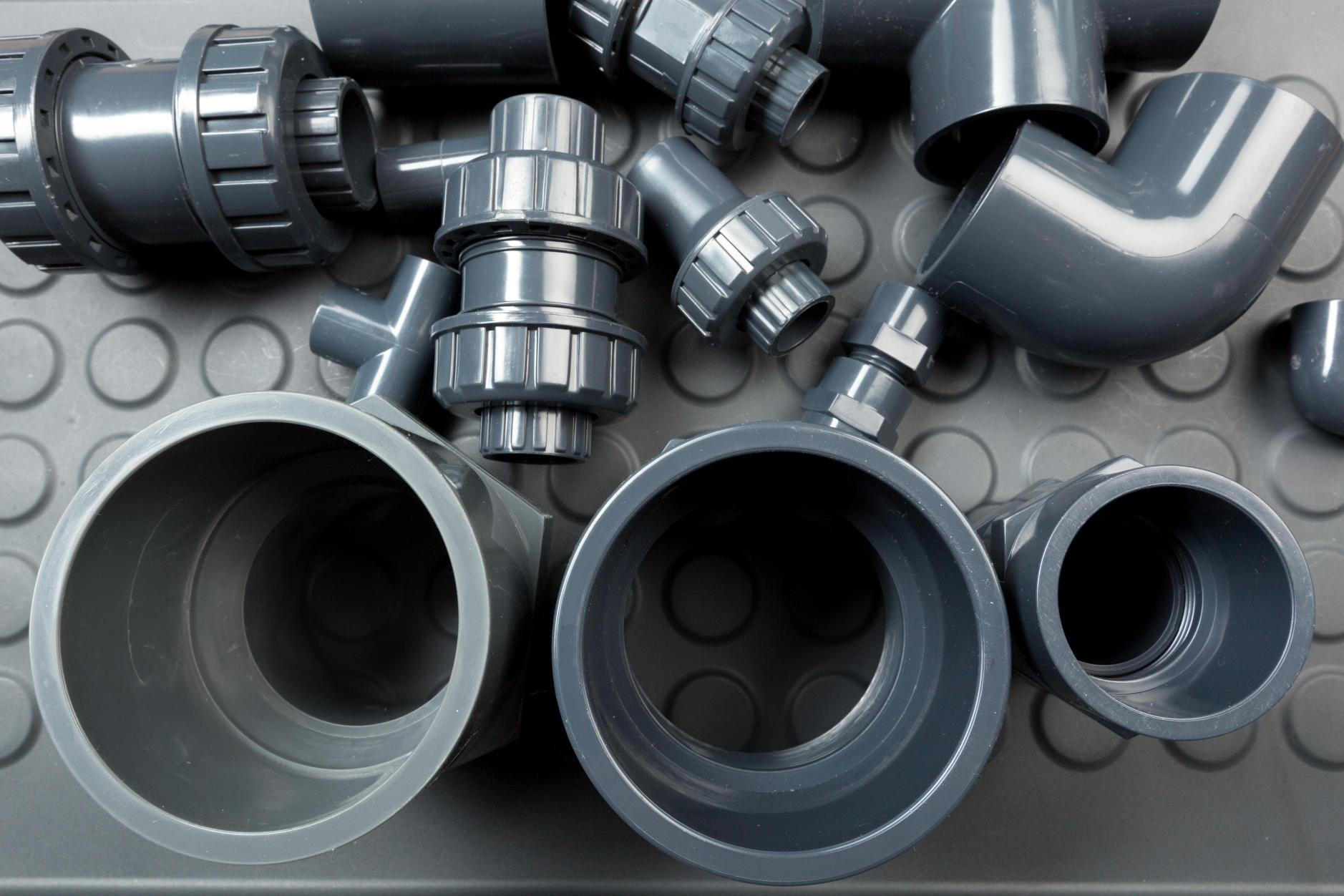
Malaysia’s plastic pipes and fittings market is benefiting from strong construction activity, expanding utility networks, urban development, and continued investment in residential and commercial projects. PVC, HDPE, PPR, and other polymer-based piping systems are widely used for water distribution, drainage, sewerage, plumbing, irrigation, and industrial applications. Malaysia’s construction work reached RM178.6 billion in 2025, representing growth of 12.5%. The continued expansion of buildings and infrastructure is creating broad demand for durable, lightweight, corrosion-resistant, and cost-efficient plastic piping solutions.
Market Drivers of Malaysia’s Plastic Pipes and Fittings Sector
Construction Growth Is Expanding Piping Demand
Malaysia’s construction sector remains one of the strongest demand drivers for plastic pipes and fittings. Construction work increased by 12.5% to RM178.6 billion in 2025, while non-residential building activity rose by 16.3% and residential construction increased by 13.9%. New housing, commercial developments, industrial facilities, hospitals, and mixed-use projects require extensive piping systems for potable water, wastewater, drainage, HVAC, and fire-protection applications. PVC and PPR systems are particularly important in building plumbing, while HDPE is widely used in external water and utility networks.
Utility Projects Support Infrastructure Demand
Civil engineering remains another important market segment. In the first quarter of 2026, Malaysia recorded RM15.9 billion in civil engineering work, including approximately RM8.3 billion in utility projects. Water-distribution networks, sewerage projects, industrial utilities, and municipal infrastructure require reliable pipe systems capable of handling underground conditions and long operating lives. HDPE and PVC products are well positioned because they resist corrosion and offer easier installation than heavier traditional materials.
Urban and Industrial Development Creates Wider Applications
Malaysia continues to expand industrial parks, data centres, logistics facilities, commercial buildings, and manufacturing sites. The construction sector itself grew by 12.2% in 2025, while manufacturing expanded by 4.5%. These projects create additional demand for process piping, cooling systems, wastewater management, conduit applications, and industrial drainage.
Government Initiatives Supporting Malaysia’s Plastic Pipes and Fittings Market
Malaysia’s continued public investment in infrastructure, housing, utilities, and regional development supports long-term pipe demand. Civil engineering accounted for around 34.9% of construction work in the fourth quarter of 2025, with utility projects alone contributing approximately RM8.8 billion. Government-backed infrastructure expansion, water-system improvements, urban development, and industrial investment are expected to create opportunities for plastic pipe manufacturers and suppliers across multiple applications.
Competitive Insights of Malaysia’s Plastic Pipes and Fittings Industry
Malaysia’s plastic pipes and fittings industry includes domestic manufacturers, regional suppliers, international brands, distributors, and building-material companies. Competition revolves around product quality, pricing, technical certification, pressure performance, distribution reach, and application diversity. Companies offering complete product ranges across PVC, HDPE, PPR, sewerage, drainage, industrial piping, and utility applications can address a broader customer base. Supplier relationships with developers, contractors, utility operators, and engineering companies remain important competitive advantages.
Challenges Affecting Malaysia’s Plastic Pipes and Fittings Market
Raw Material Costs Can Affect Profitability
Manufacturers remain exposed to fluctuations in PVC resin, polyethylene, polypropylene, energy, freight, and currency costs. These changes can increase production expenses and make pricing more challenging in competitive project tenders.
Competitive Pricing Creates Margin Pressure
Malaysia has an established manufacturing and distribution base, creating intense competition across standard pipe categories. Companies must balance affordability with quality, durability, certification, and customer service to protect margins.
Future Outlook
As Malaysia continues to expand its cities, utilities, industrial facilities, and building stock, the plastic pipes and fittings market should remain closely linked to infrastructure investment and construction activity. The recent strength of the construction sector provides a healthy pipeline of potential demand. With construction work already reaching RM178.6 billion and utility projects accounting for billions of ringgit in quarterly activity, demand for PVC, HDPE, PPR, and other polymer piping systems is likely to remain resilient. Suppliers that combine reliable quality, competitive pricing, strong distribution, and application-specific products should be well positioned.
Consultants at Nexdigm, in their latest publication “Malaysia Plastic Pipes and Fittings Market Outlook to 2035,” analyze the sector By Material Type (PVC, CPVC, HDPE, MDPE and PVCO Pipes and Fittings), By Product Type (Pressure, Non-Pressure, Corrugated, DXV Pipes), By Application Type (Municipal Water Distribution System, Residential Plumbing Systems and Electric Conduit Systems).
Nexdigm suggests that businesses in Malaysia’s Plastic Pipes and Fittings Industry should prioritize recyclable and energy-efficient products, target infrastructure renovation opportunities, strengthen technical certifications, invest in material innovation, and build partnerships with utilities, contractors, and construction companies.
To take the next step, simply visit our Request a Consultation page and share your requirements with us.
Harsh Mittal
+91-8422857704