
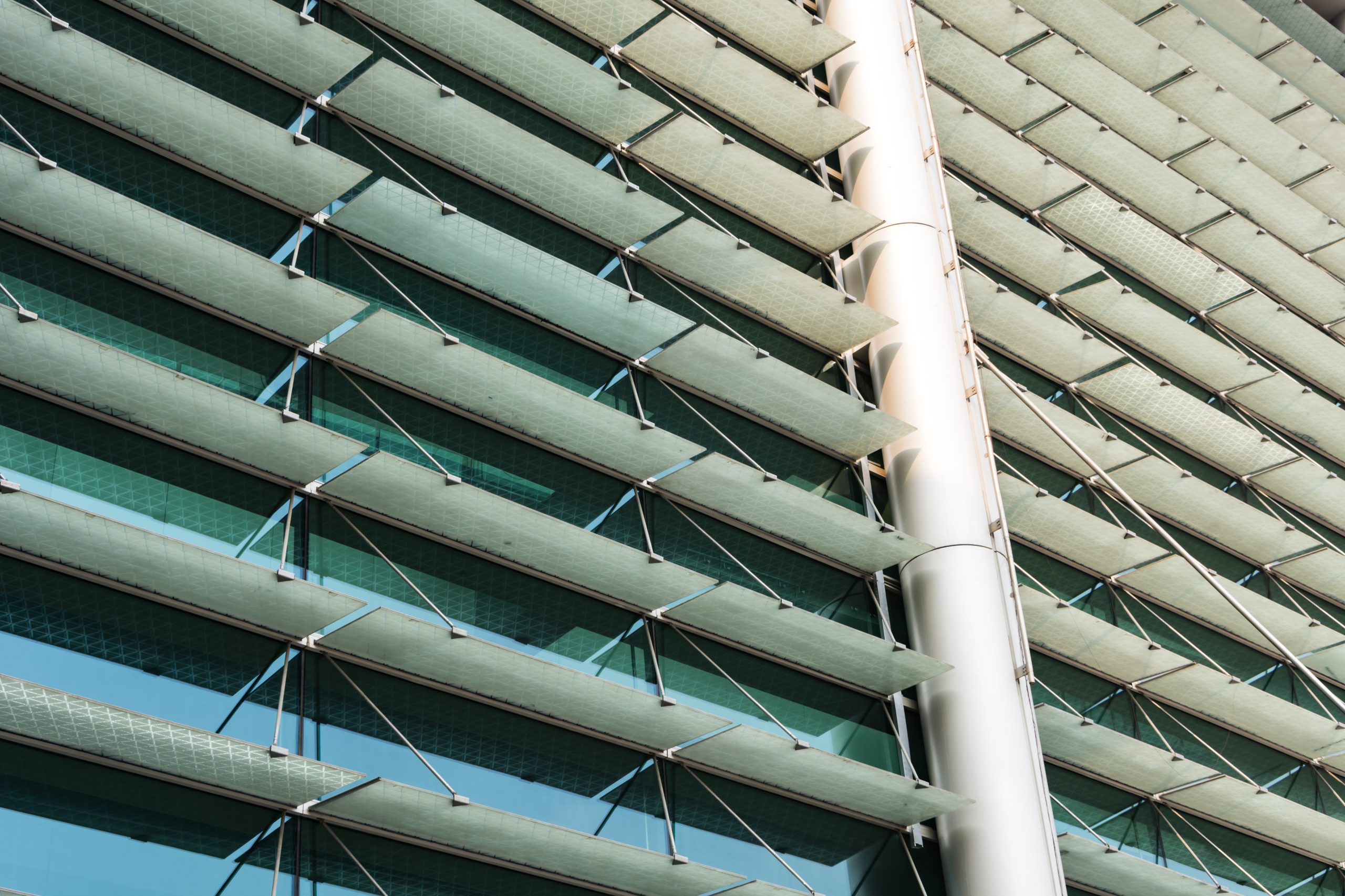
The Malaysia rainscreen cladding industry is evolving alongside the country’s rapidly modernizing construction sector. As architects and developers increasingly prioritize building performance, sustainability, and visual appeal, rainscreen cladding has become a preferred façade solution for commercial towers, mixed-use developments, healthcare facilities, and premium residential projects. Malaysia’s construction sector recorded an 8.5% growth in the value of work done, reaching RM46.5 billion, highlighting strong building activity across the country. This expansion is creating significant opportunities for rainscreen cladding manufacturers and suppliers seeking to address the growing demand for durable and energy-efficient building envelopes.
Market Drivers Advancing the Malaysia Rainscreen Cladding Industry
Expanding Commercial and High-Rise Construction Across Malaysia
The continued development of office towers, retail complexes, hospitality projects, and mixed-use buildings throughout Kuala Lumpur, Johor, and Penang is fueling demand for advanced façade solutions. Developers are increasingly selecting rainscreen cladding systems because they provide superior weather protection while enhancing building aesthetics. With non-residential construction remaining one of the fastest-growing segments of Malaysia’s construction industry, façade upgrades are becoming a standard feature in modern developments. For project owners, rainscreen systems offer a practical way to improve both building longevity and market value.
Malaysia’s Rising Focus on Sustainable and Energy-Efficient Buildings
Sustainability is becoming a central consideration for new developments across the country. In Malaysia’s tropical climate, cooling costs represent a significant share of building operating expenses. Rainscreen cladding systems help improve ventilation and thermal performance, enabling building owners to reduce energy consumption over time. As green building certifications gain traction, developers are increasingly incorporating aluminum composite panels, terracotta facades, metal cladding, and fiber cement systems into project designs. These solutions not only support environmental goals but also help deliver modern and visually striking structures.
Infrastructure and Industrial Investment Supporting Facade Demand
Major transportation, industrial, and urban development projects are generating additional opportunities for the rainscreen cladding industry. Investments in rail networks, industrial parks, logistics hubs, and data centers continue to support new building construction. At the same time, Malaysia’s broader construction market is projected to sustain healthy long-term growth, creating a favorable environment for high-performance exterior building products.
Government Initiatives Supporting the Malaysia Rainscreen Cladding Industry
Government-led programs such as the 12th Malaysia Plan, Construction 4.0 Strategic Plan, and New Industrial Master Plan 2030 are encouraging sustainable construction practices and technological modernization across the building sector. These initiatives promote digital construction, green building adoption, and infrastructure expansion, all of which indirectly support demand for advanced cladding systems. Continued investment in rail, transportation, and urban development projects is expected to further strengthen market opportunities for façade solution providers.
Competitive Landscape of the Malaysia Rainscreen Cladding Sector
The Malaysia rainscreen cladding market features a mix of international façade specialists, regional manufacturers, and local installation contractors. Competition is largely centered around product quality, fire resistance, sustainability credentials, design versatility, and project execution capabilities. Companies offering aluminum composite panels, metal cladding systems, terracotta façades, and fiber cement solutions continue to strengthen their market presence through strategic collaborations with architects, consultants, and property developers.
Challenges Impacting the Malaysia Rainscreen Cladding Industry
Cost Pressures Impacting Facade Project Economics
While rainscreen cladding offers substantial long-term benefits, the initial investment remains relatively high compared to conventional exterior finishes. Premium materials, imported components, and specialized installation requirements can place pressure on project budgets, particularly in cost-sensitive developments.
Regulatory Standards and Skilled Labor Constraints
As building regulations become more stringent regarding fire safety, sustainability, and construction quality, manufacturers and contractors must continuously adapt. In addition, labor shortages and fluctuating material costs can affect project timelines and profitability, creating challenges for industry participants.
Future Outlook
The future of the Malaysia rainscreen cladding market appears highly promising as urbanization, sustainability initiatives, and commercial construction activity continue to accelerate. Growing awareness of energy-efficient building envelopes, combined with rising demand for visually appealing and weather-resistant facades, is expected to drive broader adoption across both new construction and renovation projects. As Malaysia moves toward greener and smarter infrastructure development, rainscreen cladding will likely become an increasingly important element of modern building design. Supported by ongoing construction growth, infrastructure investments, and sustainability objectives, the industry is well positioned for long-term expansion through 2035.
Consultants at Nexdigm, in their latest publication “Malaysia Rainscreen Cladding Market Outlook to 2035” analyze the sector By Material Type (Aluminum Composite Panels, Fiber Cement Panels and Terracotta Panels), By System Type (Ventilated Rainscreen Systems, Open –Joint Rainscreen Systems) and By Application (New Building Construction, Building Recladding and Asset Repositioning).
Nexdigm suggests that businesses in “Malaysia Rainscreen Cladding 2035 Industry” focusses on oilfield, desalination, construction, and industrial applications, strengthen local warehousing, develop application-specific grades, improve technical support, and build resilient sourcing networks to serve expanding energy, water, and manufacturing demand.
To take the next step, simply visit our Request a Consultation page and share your requirements with us.
Harsh Mittal
+91-8422857704