
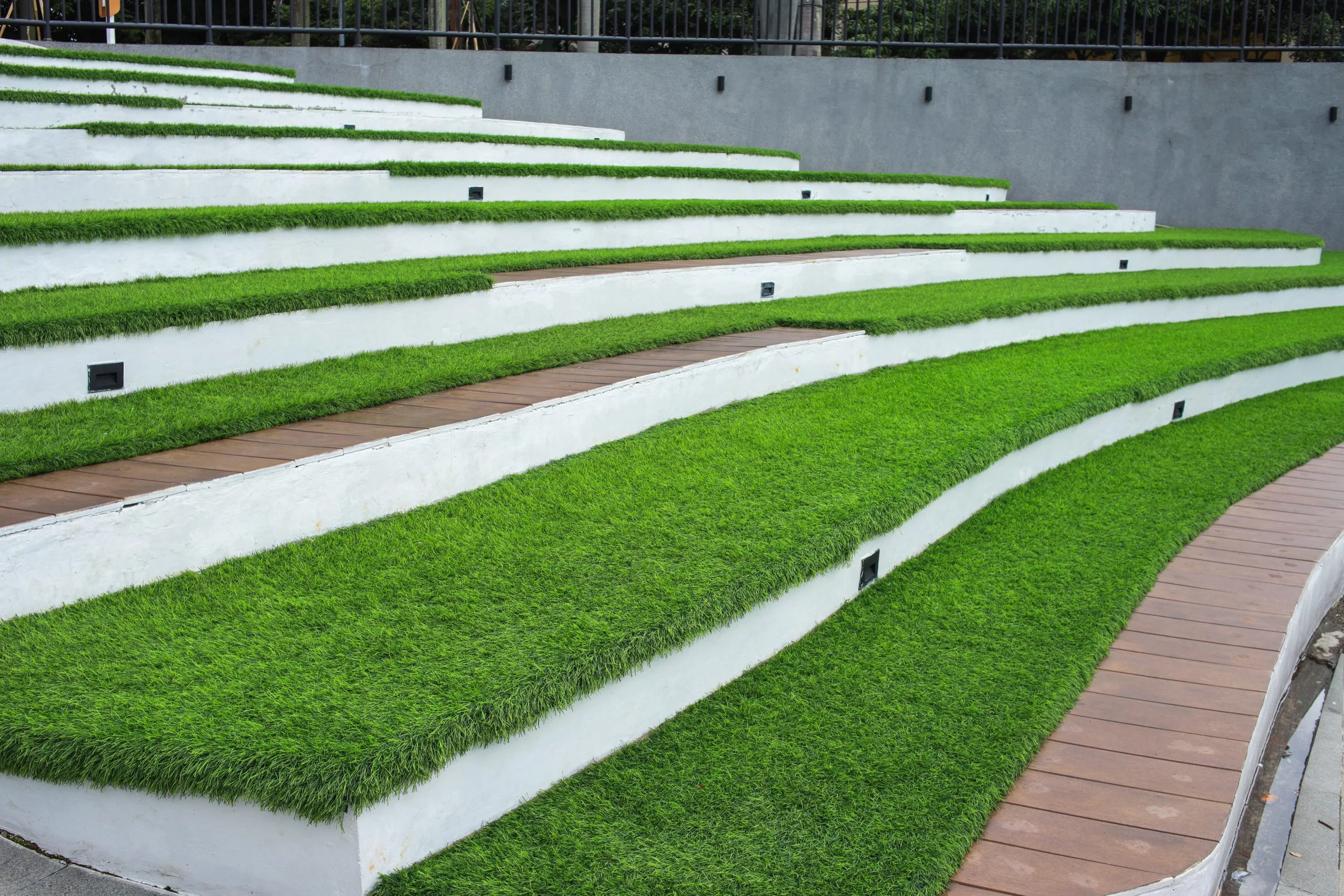
The Nigeria artificial turf market is expected to grow steadily as sports facilities, schools, commercial properties and residential estates look for durable and easy-to-maintain surface solutions. Artificial turf is becoming a practical alternative to natural grass because it offers consistent appearance, year-round usability, and lower routine upkeep. In busy urban areas, where open space is limited and natural lawns are difficult to maintain, synthetic turf is gaining wider acceptance. With the global artificial turf market projected to reach US$13.67 billion in the coming years, Nigeria is likely to benefit from the broader shift toward synthetic landscaping and sports surfaces. The market is still developing, but its long-term potential is supported by population growth, urbanization and rising demand for better recreational spaces.
Growth Drivers Shaping the Nigeria Artificial Turf Market
Sports Infrastructure and Football Culture Creating Strong Demand
Sports infrastructure is one of the most important growth drivers for the Nigeria artificial turf market. Football is widely played across the country, from school grounds and local communities to private academies and professional training centres. This creates a steady need for playing surfaces that can handle frequent use without becoming uneven, muddy or difficult to maintain. Artificial turf helps meet this need by providing a durable surface that supports longer playing hours and can be used across different weather conditions.
Urban Development and Commercial Landscaping Supporting Adoption
Nigeria’s rapid urban growth is creating new opportunities for artificial turf in residential and commercial landscaping. Cities such as Lagos, Abuja and Port Harcourt are seeing continued development of housing estates, shopping centres, hotels, offices, event venues and leisure spaces. These properties often need green areas that look neat throughout the year without requiring heavy maintenance. Artificial turf is increasingly being used for lawns, rooftops, balconies, playgrounds, poolside spaces, event areas and decorative landscaping. For property owners and facility managers, the appeal is straightforward: artificial turf offers a clean, uniform appearance with less mowing, watering and day-to-day care. It also performs well in spaces where natural grass struggles due to shade, heavy foot traffic or limited soil depth.
Low Maintenance Benefits and Suitability for Local Conditions
Artificial turf is also gaining attention because it can reduce the recurring effort and cost involved in maintaining natural grass. In many parts of Nigeria, natural lawns require watering, fertilizers, pest control, labor and regular repairs, especially during dry periods or after heavy use. Artificial turf reduces many of these maintenance needs, making it attractive for schools, sports clubs, hotels, homes and public recreational areas.
Public Infrastructure and Policy Support for Nigeria’s Artificial Turf Market
Government attention to sports development, youth engagement and public infrastructure is expected to support long-term demand for artificial turf in Nigeria. Investments in schools, stadiums, community sports grounds and recreational facilities can create opportunities for synthetic surface suppliers and installers. Policies that encourage private-sector participation in sports and infrastructure development may also help improve facility quality across the country. While artificial turf may not always be directly mentioned in government programmes, broader efforts to upgrade public spaces and promote sports participation can support market growth. Better recreational infrastructure can also help communities access safer and more reliable playing areas.
Competitive Landscape of the Nigeria Artificial Turf Market
The Nigeria artificial turf market includes local installers, landscaping companies, sports-field contractors, importers and international turf manufacturers. Competition is shaped by product durability, installation quality, pricing, warranties and the ability to provide after-sales support. Sports buyers usually focus on drainage, surface performance, fibre strength and suitability for football or multipurpose use. Residential and commercial customers, on the other hand, often prioritize appearance, softness, UV resistance and affordability. Companies that can offer complete project support, from site inspection and ground preparation to installation and maintenance, are likely to build stronger customer trust. As the market matures, proven project experience and reliable service delivery will become more important differentiators.
Challenges Affecting the Nigeria Artificial Turf Market
High Upfront Installation Cost
One of the main challenges in the Nigeria artificial turf market is the high initial cost of installation. A full project often includes land preparation, drainage work, base construction, turf supply, infill and skilled labour. These costs can be difficult for schools, small clubs, homeowners and public projects with limited budgets. Although artificial turf may reduce long-term maintenance expenses, many buyers still focus on the upfront price. Suppliers may need to explain lifecycle savings more clearly and offer flexible product options to support wider adoption.
Heat Build-Up and Environmental Concerns
Artificial turf can become hot under direct sunlight, which may affect comfort for athletes, children and pets in warmer areas of Nigeria. This can influence how and where synthetic turf is used, especially in schools and outdoor play spaces. Environmental concerns are also becoming more important, including plastic waste, microplastics, infill materials, and end-of-life disposal. These issues may affect procurement decisions for public institutions and environmentally conscious buyers. To address these concerns, suppliers will need to promote safer infill options, recyclable materials, better cooling performance, and responsible disposal practices.
Future Outlook
As we move ahead, the Nigeria artificial turf market is expected to become more established across sports, residential, commercial and public infrastructure applications. Demand is likely to be strongest in football facilities, schools, sports academies, residential estates, hotels, commercial complexes and community recreation areas. The market will be supported by urbanization, rising sports participation, demand for low-maintenance landscaping, and the need for reliable outdoor surfaces. However, future growth will depend on affordability, installation quality, and environmental performance. Suppliers that offer durable, climate-suitable and cost-effective turf systems will be better placed to serve Nigeria’s evolving market needs. As awareness increases, artificial turf is likely to shift from a premium option to a more practical surface choice for many institutions and property owners.
Consultants at Nexdigm, in their latest publication “Nigeria Artificial Turf Market Outlook to 2035,” analyze the sector By Product Type (Sports Turf, Landscape Turf, Others), By Material Type (Nylon, Polyethylene, Others), by End user Segment (Sports Facility Users, Commercial Developers, Residential Builders, Real Estate Developers, Government and Municipalities).
Nexdigm suggests that businesses should capitalize on Nigeria’s strong sports culture and increasing urbanization by investing in durable and eco-friendly turf solutions, expanding partnerships in sports infrastructure projects, and targeting urban landscaping applications to effectively capture emerging opportunities in the artificial turf market.
To take the next step, simply visit our Request a Consultation page and share your requirements with us.
Harsh Mittal
+91-8422857704