
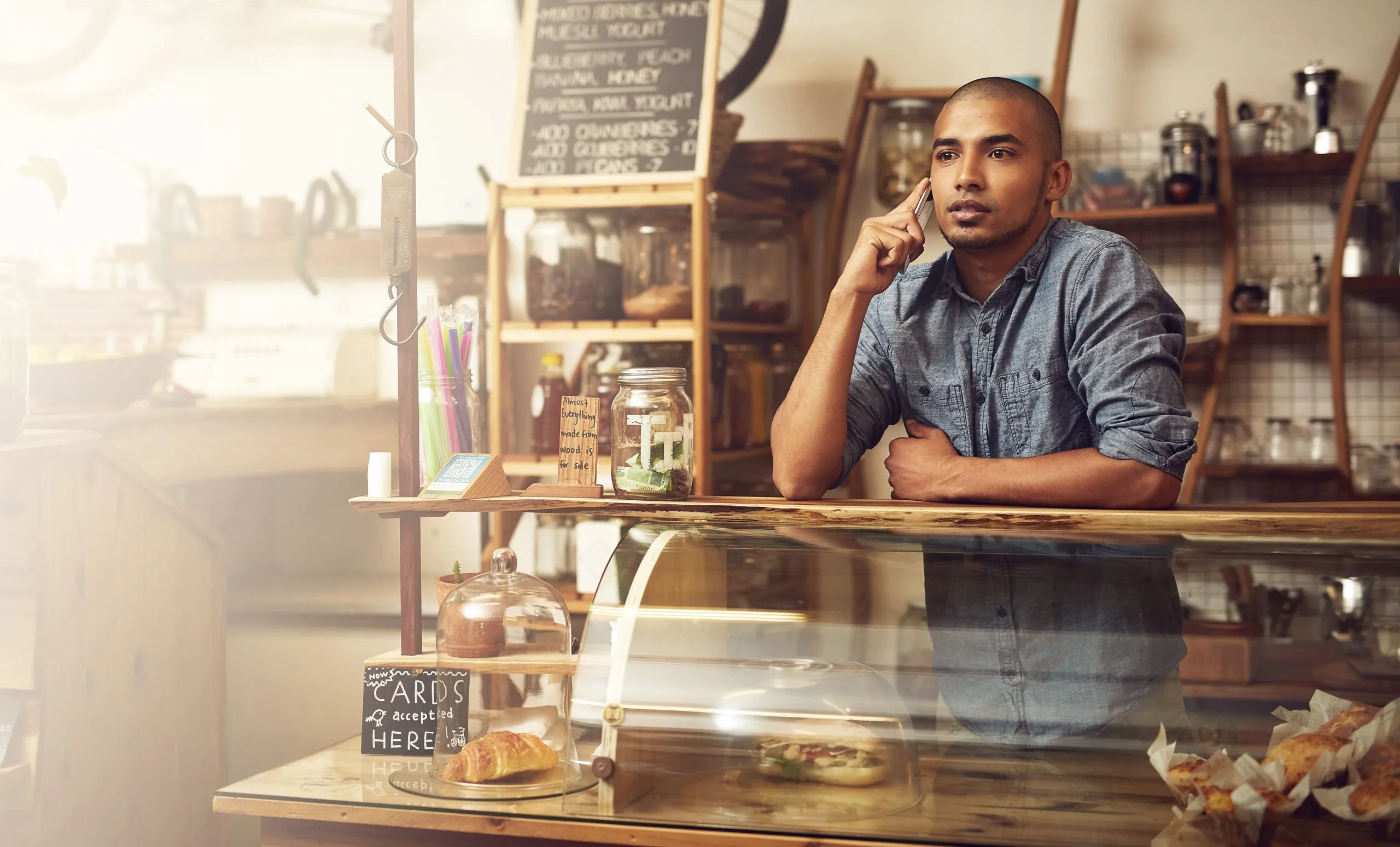
The Nigeria Cafes & Bars Market is evolving rapidly as urbanization, digital connectivity, and changing consumer lifestyles reshape the country’s foodservice landscape. From trendy specialty cafés in Lagos to vibrant nightlife venues in Abuja and Port Harcourt, cafés and bars have become important social and entertainment hubs. Nigeria’s café segment is valued at approximately USD 1.46 billion and is projected to reach USD 2.34 billion, highlighting strong long-term growth potential. Additionally, the country’s 139.3 million active internet subscriptions are accelerating digital ordering, online discovery, and delivery-led consumption, creating new opportunities for operators across the market.
Key Growth Drivers Accelerating the Nigeria Cafes & Bars Market
Urbanization and Expanding Middle-Class Spending
One of the primary growth drivers of the Nigeria Cafes & Bars Market is the country’s rapid urbanization and growing middle-class population. Major cities such as Lagos, Abuja, Port Harcourt, and Ibadan continue to witness increasing demand for social dining, premium beverages, and experiential hospitality offerings. As disposable incomes gradually improve among urban consumers, spending on dining out, entertainment, and leisure activities is increasing. Cafés and bars are benefiting from this trend by positioning themselves as convenient locations for meetings, networking, relaxation, and social gatherings. Consumers are increasingly looking for venues that offer both quality products and memorable experiences.
Rising Digital Adoption and Mobile Ordering
Digital transformation is reshaping the Nigeria Cafes & Bars Market. With more than 139 million active internet subscriptions, consumers are increasingly using online platforms to discover venues, place orders, make payments, and engage with brands. Mobile ordering, delivery applications, and digital payment systems are helping operators reach customers beyond their physical locations. The growing popularity of convenience-driven foodservice is encouraging businesses to invest in loyalty programs, social media marketing, and technology-enabled customer engagement. This digital ecosystem is making cafés and bars more accessible to a broader customer base.
Strong Nightlife Culture and Specialty Café Growth
Nigeria’s vibrant nightlife culture continues to support the growth of bars, lounges, rooftop venues, and hospitality-driven entertainment concepts. Social gatherings, football-viewing occasions, live music, and after-work meetups remain deeply embedded in consumer culture, particularly in urban centers. At the same time, specialty coffee culture is gradually gaining momentum. Consumers, especially younger professionals, are showing greater interest in premium coffee experiences, themed cafés, and modern social spaces. This shift is creating opportunities for both international brands and local entrepreneurs to expand their presence in the market.
Government and Industry Initiatives Supporting the Nigeria Cafes & Bars Market
Government efforts to promote digital payments, improve business formalization, and strengthen tourism and hospitality activities are indirectly supporting the Nigeria Cafes & Bars Market. Food safety regulations and initiatives that encourage entrepreneurship are also helping businesses improve operational standards and customer trust. In parallel, industry participants are increasingly investing in local sourcing, delivery partnerships, and digital engagement tools to meet changing consumer expectations. These developments are helping operators enhance efficiency and build stronger customer relationships in a competitive environment.
Competitive Landscape of the Nigeria Cafes & Bars Market
The Nigeria Cafes & Bars Market remains highly fragmented, with independent operators, hospitality groups, specialty cafés, bars, lounges, and branded concepts competing across different consumer segments. Independent establishments continue to dominate due to their affordability, flexibility, and strong local market understanding. Competition is driven by pricing, location, customer experience, digital presence, menu innovation, and entertainment offerings. Operators are increasingly differentiating themselves through premium coffee concepts, rooftop experiences, themed venues, and technology-driven customer engagement strategies.
Key Challenges Impacting the Nigeria Cafes & Bars Market
Inflation and Consumer Spending Pressure
One of the major challenges facing the Nigeria Cafes & Bars Market is persistent inflation and rising operating costs. Higher food, beverage, utility, and logistics expenses can affect profitability and force businesses to adjust pricing strategies. At the same time, consumers remain value-conscious, making it essential for operators to balance affordability with quality service and customer experience. Businesses that fail to manage this balance may struggle to maintain customer loyalty.
Infrastructure and Operational Constraints
Infrastructure limitations, including supply chain inefficiencies and operational challenges, can impact business performance. Reliable sourcing, power availability, and logistics management remain important considerations for many operators. To remain competitive, businesses must invest in operational resilience, technology adoption, and efficient business models that can adapt to changing market conditions.
Future Outlook
The future of the Nigeria Cafes & Bars Market appears highly promising, supported by rapid urbanization, increasing internet penetration, a growing young population, and rising demand for social experiences. The café segment is projected to grow from USD 1.46 billion to USD 2.34 billion, while broader foodservice expansion and digital innovation are expected to create additional opportunities for market participants. Emerging trends such as specialty coffee, convenience-led consumption, mobile ordering, experiential dining, and local sourcing will continue to shape the industry’s growth trajectory. As consumer preferences evolve, businesses that focus on innovation, affordability, and customer engagement will be best positioned to succeed in the Nigeria Cafes & Bars Market.
Consultants at Nexdigm, in their latest publication “Nigeria Cafes & Bars Market Outlook to 2035,” analyze the sector By Outlet Type (Specialty Coffee Cafés, Casual Cafés, Café-Bistros, Cocktail Bars, Sports Bars, Lounges, Rooftop Bars, Beach Clubs), By Revenue Stream (Coffee Sales, Tea and Non-Alcoholic Beverages, Alcoholic Beverages, Cocktails and Mixology, Food Pairings, Desserts and Pastries).
Nexdigm suggests that businesses should invest in digital ordering capabilities, strengthen local sourcing networks, develop experience-led hospitality concepts, and leverage Nigeria’s growing urban and connected consumer base to maximize opportunities within the Nigeria Cafes & Bars Market.
To take the next step, simply visit our Request a Consultation page and share your requirements with us.
Harsh Mittal
+91-8422857704