
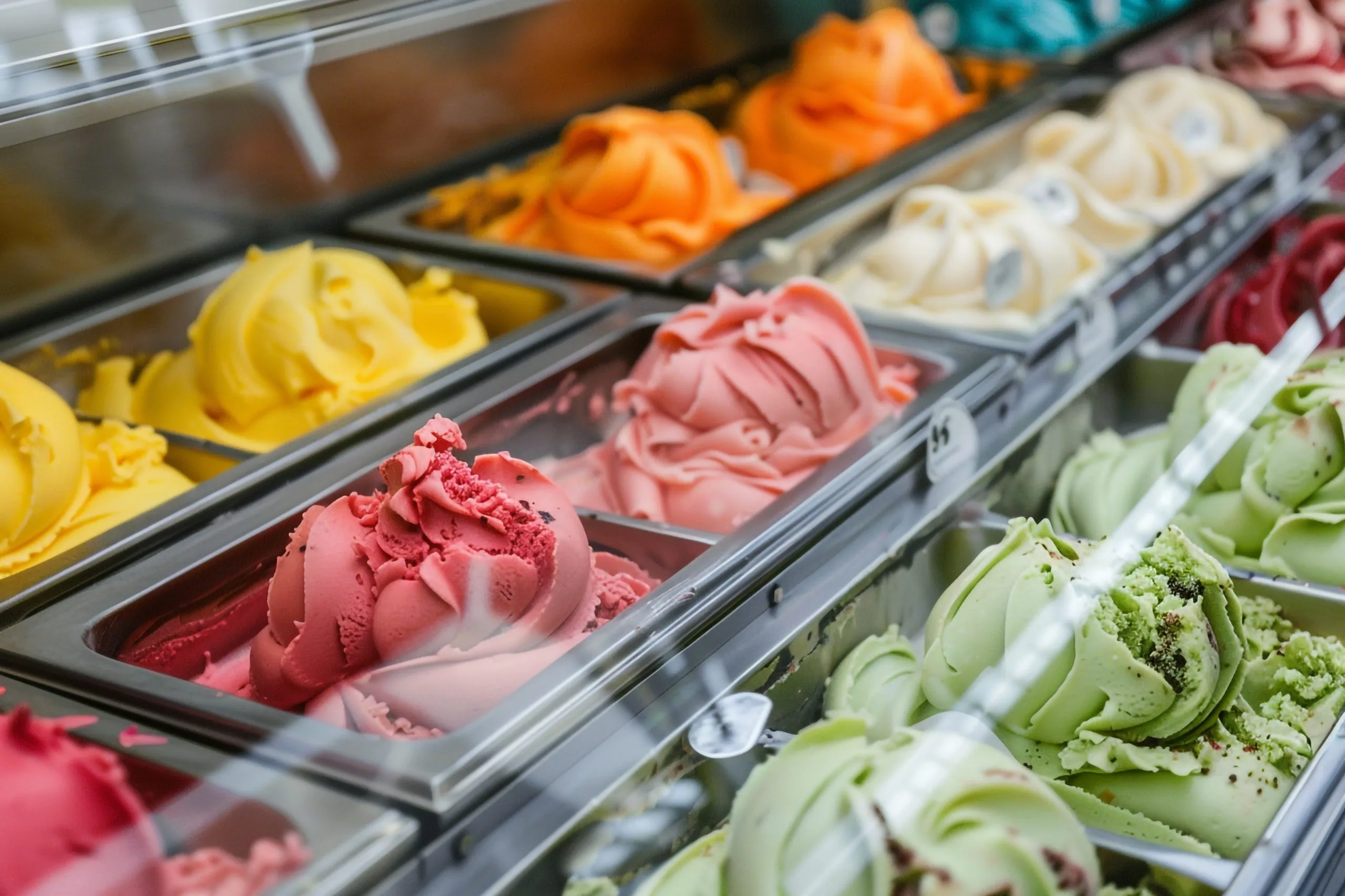
The Nigeria commercial ice cream freezers market is expanding as supermarkets, convenience stores, cafés, hotels, restaurants, quick-service outlets, and dessert retailers increase their frozen dessert offerings. Rising urbanisation, a young consumer base, growing foodservice activity, and demand for affordable indulgence are supporting the need for reliable freezer equipment. Nigeria’s foodservice market is valued at around USD 12.37 billion and is projected to reach USD 21.38 billion, creating opportunities for chest freezers, display cabinets, branded freezer units, and energy-efficient commercial refrigeration systems across retail and foodservice channels.
Key Drivers Accelerating the Nigeria commercial ice cream freezers market
Rising Frozen Dessert Consumption
Nigeria’s warm climate and large youth population support strong demand for ice cream, frozen yoghurt, milk-based desserts, chilled snacks, and impulse frozen treats. Consumers are increasingly purchasing single-serve ice creams, family packs, locally flavoured frozen desserts, and affordable packaged options through supermarkets, kiosks, petrol stations, cafés, and convenience stores. Africa’s ice cream market is valued at around USD 1.79 billion and is projected to reach USD 2.29 billion, indicating wider regional demand for frozen dessert storage. For retailers, commercial ice cream freezers help maintain texture, prevent melting, and improve product visibility at the point of sale.
Foodservice and QSR Expansion
Nigeria’s foodservice market is growing at a CAGR of 11.55%, supported by urban dining, digital payments, delivery platforms, and quick-service restaurant expansion. The QSR segment accounts for 55.92% of the market, creating strong demand for compact and durable freezer units. Restaurants, cafés, bakeries, hotels, and delivery-led kitchens require dependable freezing equipment to store frozen desserts and ingredients safely.
Need for Reliable Cold Chain Infrastructure
Cold storage remains critical in Nigeria due to high temperatures and power-related disruptions. Businesses are increasingly seeking freezers with better insulation, efficient compressors, stabilised cooling, and backup-compatible designs. These features help reduce product loss and improve operating reliability.
Government Support, Cold Chain and Energy Efficiency
Government support is mainly linked to food safety, local manufacturing, energy efficiency, and cold-chain development. Nigeria’s focus on improving food handling, reducing post-harvest losses, and strengthening agro-processing infrastructure supports demand for reliable refrigeration systems. Energy efficiency is also becoming more important as businesses manage high operating costs. Policies encouraging industrial development, power sector improvements, and food retail modernization can indirectly support adoption of efficient commercial freezers across supermarkets, foodservice outlets, and dessert retail businesses.
Competitive Landscape, Affordability and Service Reach
The Nigeria commercial ice cream freezers market includes local refrigeration suppliers, imported equipment brands, foodservice equipment distributors, and branded freezer providers linked to ice cream manufacturers. Competition is shaped by price, cooling reliability, energy efficiency, storage capacity, cabinet durability, spare parts availability, and after-sales service. Demand spans chest freezers, upright display freezers, countertop units, branded impulse cabinets, and compact retail freezers. Suppliers offering affordable models, strong maintenance support, and equipment suited to local power conditions are better positioned to serve the market.
Market Challenges, Cost and Power Reliability
Electricity and Maintenance Pressure
Commercial ice cream freezers operate continuously, making electricity consumption a major cost concern. Power outages, voltage fluctuations, compressor strain, and poor maintenance can affect cooling performance and increase product spoilage risks.
Affordability Barriers for Small Retailers
Small kiosks, cafés, convenience shops, and independent dessert sellers may delay freezer upgrades due to higher upfront equipment costs. This can slow adoption of advanced and energy-efficient models.
Future Outlook
The Nigeria commercial ice cream freezers market is expected to grow steadily as foodservice expansion, urban retail growth, frozen dessert demand, and QSR development strengthen refrigeration needs. Future opportunities will likely emerge in energy-efficient chest freezers, affordable display cabinets, branded impulse freezers, compact freezer units, and backup-power-compatible systems. Lagos, Abuja, Port Harcourt, Kano, and other urban centres are expected to remain key demand hubs. As businesses focus on product availability, cold-chain reliability, and cost-efficient operations, freezer upgrades will become increasingly important across Nigeria’s frozen dessert ecosystem.
Consultants at Nexdigm, in their latest publication “Nigeria commercial ice cream freezers market Outlook to 2035,” analyze the sector By Freezer Type (Chest & Deep Freezers, Glass‑Top Freezers, Walk‑In & Custom Freezers), By Cooling Technology (Static Cooling Systems, IoT‑Enabled & Smart Control Freezer)
Nexdigm suggests that businesses should prioritize energy-efficient freezer models, backup-power-compatible designs, affordable pricing, and strong after-sales service to capture growth in Nigeria’s commercial ice cream freezers market.
To take the next step, simply visit our Request a Consultation page and share your requirements with us.
Harsh Mittal
+91-8422857704