
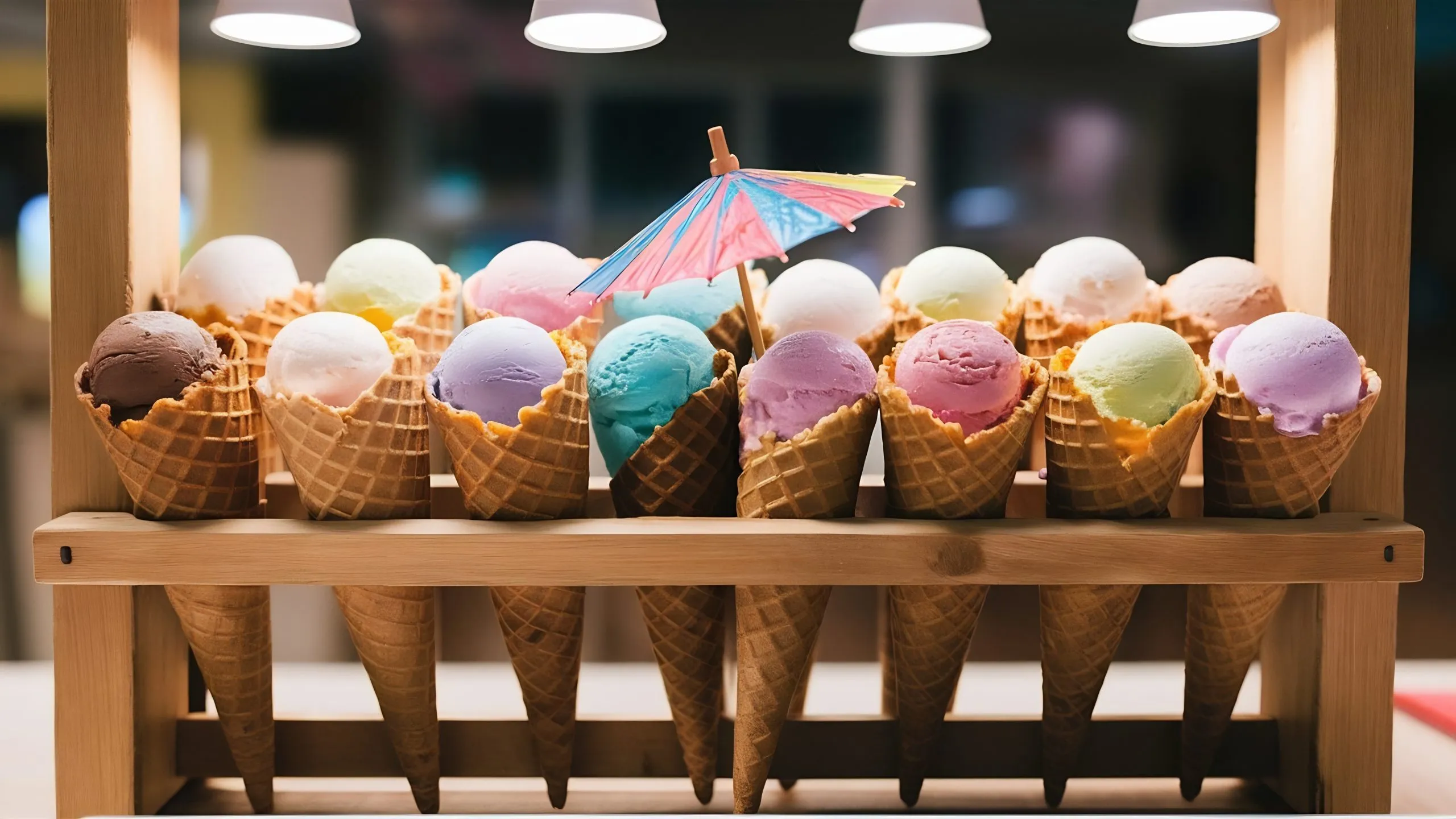
The Nigeria dairy free ice cream market is developing as consumers look for frozen desserts that offer refreshment, indulgence, and dietary flexibility without traditional dairy ingredients. Products made from coconut, soy, almond, oat, rice, cashew, and other plant-based bases are gaining relevance across supermarkets, specialty stores, online grocery channels, cafés, dessert outlets, and foodservice formats. Nigeria’s dairy alternatives market is expected to grow at 15.01% CAGR during 2026–2034, with ice cream included as a product segment. Demand is being shaped by lactose-free needs, vegan preferences, urban lifestyles, wellness awareness, and rising interest in affordable non-dairy treats.
Key market drivers are strengthening dairy free ice cream demand in Nigeria
Lactose-free and plant-based preferences are widening the consumer base
Dairy free ice cream is gaining attention among Nigerian consumers who are looking for alternatives due to lactose intolerance, digestive discomfort, dairy allergies, vegan lifestyles, ethical preferences, or broader interest in plant-based eating. The category also appeals to flexitarian consumers who may still consume dairy but want lighter or more inclusive dessert options. As Nigeria’s dairy alternatives market grows at 15.01% CAGR, non-dairy ice cream can benefit from wider acceptance of plant-based products. Consumers are more likely to try dairy free ice cream when it delivers creamy texture, familiar sweetness, and flavors such as chocolate, vanilla, coconut, banana, mango, strawberry, coffee, and caramel.
Urban retail and foodservice channels are improving product visibility
Nigeria’s expanding urban retail, café, mall, restaurant, delivery, and foodservice ecosystem is creating more opportunities for dairy free frozen desserts. Supermarkets, specialty retailers, online sellers, cafés, and dessert shops can help introduce non-dairy ice cream to consumers in cities such as Lagos, Abuja, Port Harcourt, and Kano. Globally, dairy-free ice cream is projected to grow from USD 1.1 billion in 2024 to USD 2.6 billion by 2030, expanding at 15.3% CAGR, showing rising international demand for plant-based frozen desserts. Premium tubs, mini cups, bars, cones, and scoop-shop formats can help brands serve at-home snacking, family occasions, and impulse consumption.
Clean-label and better-for-you positioning is shaping purchase decisions
Urban consumers are paying closer attention to sugar levels, allergens, calories, ingredient lists, and product claims. Demand is increasing for vegan, lactose-free, low-sugar, clean-label, gluten-free, and allergen-conscious frozen desserts. This creates opportunities for brands that can combine taste, transparent labeling, and accessible pricing.
Government food safety and labeling standards are supporting product trust
Government priorities around food safety, nutrition labeling, ingredient standards, hygiene, allergen disclosure, imports, and consumer protection are influencing Nigeria’s dairy free ice cream market. Regulations covering packaged food labels, additives, claims, cold storage, manufacturing practices, and quality standards help consumers make safer and more informed choices. Clear labeling is especially important because many shoppers choose dairy free products due to lactose intolerance, allergies, or dietary preferences. Companies that maintain compliant labels, hygienic production, responsible allergen controls, and transparent product claims can build stronger trust with retailers and consumers.
Competitive landscape is expanding across retail, specialty, and foodservice channels
The Nigeria dairy free ice cream market includes plant-based food companies, frozen dessert manufacturers, supermarket brands, vegan specialty producers, cafés, dessert outlets, online sellers, and foodservice suppliers. Competition is shaped by taste, texture, price, base ingredient, flavor variety, packaging, freezer placement, certifications, and cold-chain reliability. Local brands can compete through affordability, familiar flavors, and accessible pack sizes, while premium players may differentiate through cleaner labels, imported-style formats, smoother textures, and social media visibility. Foodservice and delivery channels are also helping consumers discover new dairy free dessert options.
Market challenges continue to affect affordability and repeat purchases
Taste and texture expectations remain difficult to meet
Consumers expect dairy-free ice cream to deliver creaminess, sweetness, smooth texture, and indulgent flavor. Icy texture, weak flavor, poor melt, or grainy mouthfeel can reduce repeat purchases quickly.
Price sensitivity and cold-chain gaps can restrict scale
Dairy free ice cream can be more expensive due to plant-based ingredients, formulation complexity, smaller production scale, imported inputs, and freezer distribution requirements. Cold-chain limitations and price sensitivity may restrict adoption outside major urban centers.
Future outlook
The future outlook for the Nigeria dairy free ice cream market remains positive, supported by lactose-free demand, plant-based eating, urban wellness trends, modern retail expansion, online grocery growth, and foodservice innovation. Opportunities are expected across coconut-based ice cream, soy-based options, oat and almond-based products, rice-based frozen desserts, low-sugar formats, vegan bars, mini cups, cones, sandwiches, and tropical fruit-led frozen treats. As global vegan ice cream moves toward USD 2.67 billion by 2032, businesses in Nigeria that combine creamy texture, familiar flavors, nutrition transparency, affordable pricing, and reliable cold-chain distribution will be better positioned to capture long-term growth.
Consultants at Nexdigm, in their latest publication “Nigeria dairy free ice cream market outlook to 2035,” analyze the sector by By Base Ingredient Type (Almond Milk-Based Ice Cream, Oat Milk-Based Ice Cream, Cashew Milk-Based Ice Cream, Pea Protein-Based Ice Cream), By Flavor Type (Chocolate, Fruit-Based Flavors, Vanilla),
Nexdigm suggests that businesses in the Nigeria dairy free ice cream market should focus on creamy, affordable, and accessible frozen dessert formats that support demand for plant-based, lactose-free, vegan, and allergen-conscious products.
To take the next step, simply visit our Request a Consultation page and share your requirements with us.
Harsh Mittal
+91-8422857704