
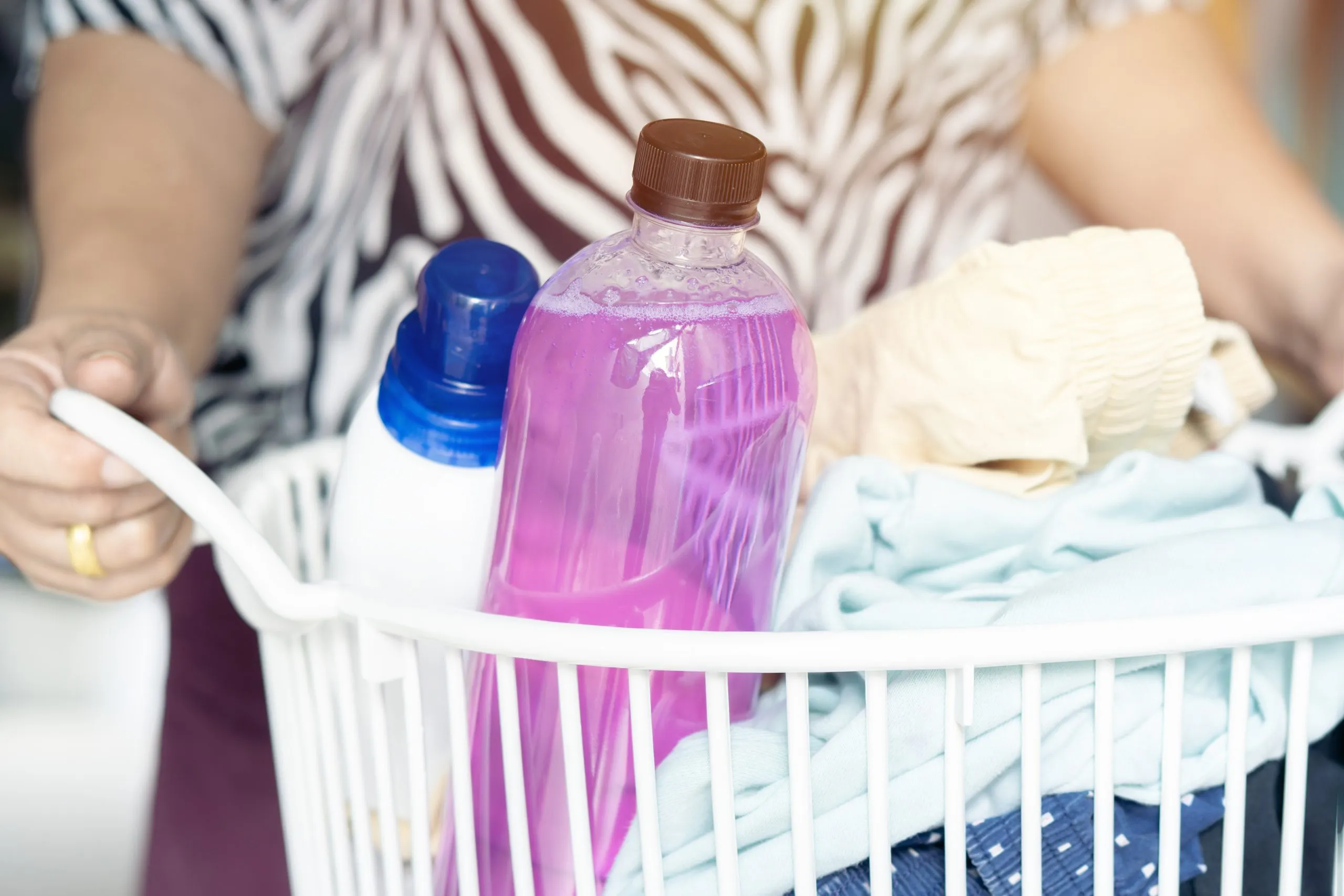
The Nigeria fabric softeners and conditioners market is expected to grow steadily as consumers look for laundry products that make clothes feel softer, smell fresher, and remain comfortable after washing. While detergents continue to dominate laundry routines, conditioners are gaining attention among urban households and consumers who want better post-wash results. Nigeria’s laundry care retail value sales reached NGN 818 billion, rising 23% from the previous year, showing strong spending momentum in the wider category. In the coming years, fabric conditioners are likely to benefit from urbanization, affordable formats, fragrance innovation, and increasing awareness of garment care. This shift shows that consumers are gradually looking beyond basic cleaning toward products that improve the full laundry experience.
Factors Shaping Demand for Fabric Softeners & Conditioners in Nigeria
Urban Lifestyles Are Changing Laundry Habits
Urbanization is creating a larger consumer base for branded laundry-care products in Nigeria. World Bank data shows Nigeria’s urban population stood at around 128 million in the previous year, making cities an important market for household-care brands. Urban households are more likely to use packaged detergents, washing machines, laundromats, and fabric-care add-ons that improve clothing freshness and convenience. As consumers wash office wear, school uniforms, baby clothes, and occasion wear more frequently, fabric conditioners are becoming more relevant. This shift is helping the category move from occasional use toward more regular laundry routines. As city lifestyles become busier, products that save time and improve clothing comfort are likely to gain stronger acceptance.
Fragrance and Freshness Are Driving Consumer Interest
Fragrance is a major purchase driver in Nigeria, where fresh-smelling clothes are closely linked with cleanliness, confidence, and personal presentation. Fabric conditioners help deliver this sensory benefit while also improving softness and reducing fabric roughness. Market reports indicate that Nigeria’s fabric softeners and conditioners market is seeing growth from rising fabric-care awareness, hygiene needs, changing consumer preferences, and demand for premium laundry products. Brands are also introducing plant-based, eco-friendly, and multi-functional products to appeal to consumers looking for better fabric care and safer formulations. As consumers become more familiar with conditioners, fragrance alone may not be enough; softness, garment protection, and ease of ironing will also matter. This gives brands room to position conditioners as practical fabric-care products rather than optional scent boosters.
Affordability and Value Packs Are Key to Wider Adoption
Affordability will remain central to market expansion in Nigeria. Many households are price-sensitive, so fabric conditioners must offer clear value if they are to become regular purchases. Small packs, refill pouches, sachet-style formats, promotions, and concentrated products can help reduce the barrier to trial. The wider laundry care category’s 23% value growth also reflects strong demand for washing products, but it may also indicate price-led growth in an inflationary environment. Products that combine fragrance, softness, convenience, and low per-wash cost are likely to perform better. For wider adoption, brands will need to make conditioners feel affordable enough for everyday use, not just special clothing or premium laundry occasions.
Government Efforts to boost Nigeria’s Fabric Care Market Growth
Government action on plastic waste is indirectly shaping Nigeria’s fabric softeners and conditioners market. Nigeria has been moving toward stronger Extended Producer Responsibility for plastic packaging, with regulators making producers, importers, and brand owners more accountable for product lifecycles and waste management. UNEP has also supported guidelines for implementing EPR for plastic packaging in Nigeria. These initiatives can push fabric-care brands to improve recyclability, reduce plastic intensity, and consider refill or lighter-packaging formats. Over time, brands may need to align product packaging with both regulatory expectations and consumer interest in more responsible household products. This could support innovation in pouches, refills, and concentrated formulas that reduce packaging waste.
Competitive Insights of Nigeria’s Fabric Care Market
The Nigeria fabric softeners and conditioners market includes multinational home-care brands, regional manufacturers, local players, private labels, and value-led products. Competition is shaped by fragrance, affordability, pack size, retail reach, and consumer education. Established brands benefit from stronger distribution across supermarkets, open markets, neighborhood stores, and e-commerce platforms. Emerging brands may find opportunities in natural ingredients, eco-friendly claims, smaller pack sizes, and concentrated formulas. As the category grows, brands will need to make conditioner benefits simple, visible, and relevant to everyday laundry needs. Companies that can combine strong scent performance with accessible pricing and broad availability are likely to build stronger repeat demand.
What Could Slow Down Nigeria’s Fabric Conditioners Market?
Price Sensitivity and Low Awareness
Fabric conditioners are still viewed as optional by many Nigerian consumers, especially when compared with detergents. Price-sensitive households may avoid conditioners or buy them only occasionally. Low awareness outside urban centers can also slow adoption, as many consumers may not fully understand the benefits of a separate conditioner. Brands need affordable entry packs and clear messaging around softness, fragrance, easier ironing, and garment protection. Trial formats and bundled offers with detergents can help encourage first-time use. The challenge is to turn occasional buyers into regular users by proving everyday value.
Infrastructure and Cost Pressures
High distribution costs, currency volatility, inflation, and uneven access to modern retail can make pricing and availability difficult. Sustainable packaging or premium formulations may also raise production costs, making it harder to keep products affordable. For many consumers, performance and price will matter more than premium claims. The challenge is to make conditioners aspirational but still practical for everyday use. Brands must also manage supply chains carefully to maintain consistent availability across both urban and semi-urban markets. Without reliable distribution and accessible price points, category growth may remain concentrated in larger cities.
Future Outlook
Nigeria’s fabric softeners and conditioners market is expected to expand as urbanization, laundry-care spending, and fabric-care awareness increase. Growth will likely be strongest in urban and semi-urban households, where consumers are more exposed to branded laundry products and modern retail. Fragrance-led products, value packs, refill pouches, concentrated formulas, and multi-functional conditioners are expected to gain traction. Brands that combine affordability, strong scent performance, visible fabric-care benefits, and broad distribution will be better positioned to capture long-term opportunities in Nigeria’s evolving fabric care market. As laundry routines become more quality-focused, fabric conditioners may gradually shift from occasional add-ons to regular household fabric-care products.
Consultants at Nexdigm, in their latest publication Nigeria Fabric Softeners & Conditioners Market Outlook to 2035,” analyzed the market by Product Type (Liquid Fabric Softener, Dryer Sheets, Scent Boosters, Concentrated Fabric Softeners), by Consumer Demographics (Urban, Sub Urban, Middle-Income Households, Premium Product Consumers).
Nexdigm believes businesses in the fabric care industry must align product innovation with changing laundry habits. As consumers seek better fragrance, softness, and fabric protection, brands should offer affordable, sustainable, and easy-to-use solutions across households, modern retail, e-commerce, and professional laundry channels.
To take the next step, simply visit our Request a Consultation page and share your requirements with us.
Harsh Mittal
+91-8422857704