
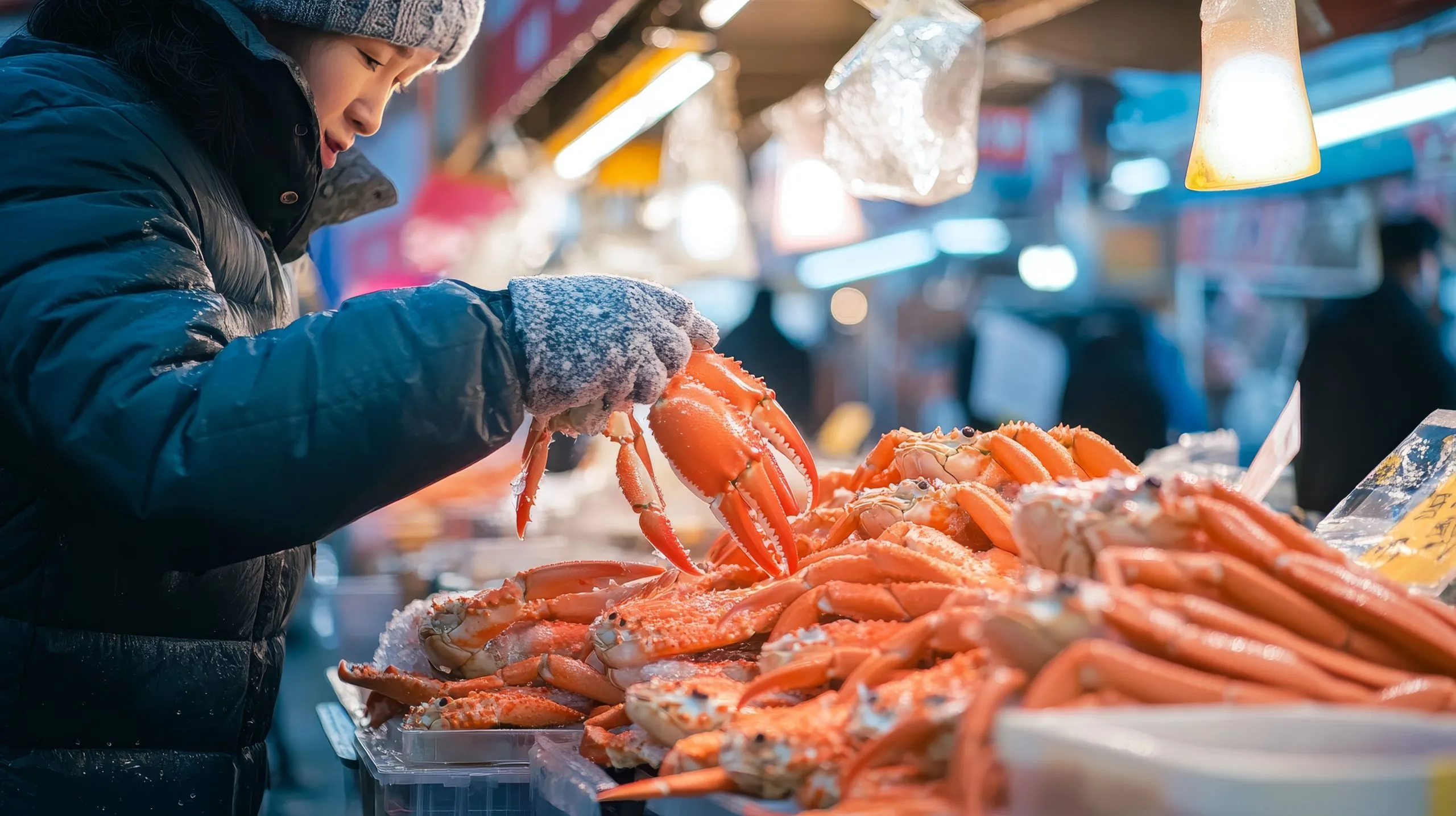
The Nigeria frozen seafood market is gaining importance as households, retailers, food vendors, restaurants, and cold-room traders depend on frozen fish to meet everyday protein needs. Fish is a major part of Nigerian diets, contributing around 40% of national protein intake, while total fish demand is estimated at about 3.36 million metric tons. Domestic production remains insufficient, creating a supply gap of nearly 2.5 million metric tons. This gap supports strong demand for imported frozen fish, especially mackerel, herring, croaker, horse mackerel, sardines, and other affordable seafood options.
Protein Demand and Cold Chain Access Are Driving Market Growth
Fish Remains a Preferred and Affordable Protein Source
Frozen seafood demand is strongly supported by Nigeria’s large population and high reliance on fish for daily meals. Fish is widely used in soups, stews, frying, grilling, smoking, and traditional dishes, making it a practical protein source across income groups. Frozen fish is especially important because it is often more affordable and consistently available than fresh seafood in many inland and urban markets. With per capita fish consumption still below the global average, there remains room for stronger demand as income levels, urban diets, and foodservice activity evolve.
Domestic Supply Gaps Support Import-Led Frozen Fish Trade
Nigeria produces around 1.07 million metric tons of fish annually, while demand is much higher at about 3.36 million metric tons. This imbalance creates a large supply gap and makes imports essential to market stability. WorldFish estimates that Nigeria spends around USD 1 billion annually on fish imports, which account for roughly 45% of national supply. Imported frozen fish moves through ports, cold rooms, open markets, wholesalers, foodservice distributors, and informal retail networks.
Urban Retail and Foodservice Channels Are Expanding Demand
Lagos, Abuja, Port Harcourt, Kano, Ibadan, and other urban centres are key demand hubs for frozen seafood. Supermarkets, cold-room operators, restaurants, hotels, caterers, and quick-service food vendors are increasing demand for portioned, packaged, and ready-to-cook seafood products.
Government Support is Focused on Fisheries, Aquaculture, and Cold Chain Development
Government support is mainly linked to improving fisheries production, aquaculture development, food security, port infrastructure, and cold-chain capacity. Nigeria has promoted aquaculture, especially catfish and tilapia farming, to reduce dependence on imports and improve domestic supply. Policies supporting agricultural financing, fish farming clusters, and food processing can indirectly benefit frozen seafood distribution. Better cold storage, transport infrastructure, and quality monitoring remain important for reducing spoilage and strengthening seafood supply reliability across the country.
Supply Reliability and Price Reach Shape Market Competition
The Nigeria frozen seafood market is fragmented, with importers, cold-room wholesalers, seafood traders, aquaculture firms, supermarkets, foodservice distributors, and informal retailers all playing important roles. Competition is shaped by product availability, price, species variety, cold-chain reliability, carton sizes, port access, and distribution networks. Imported mackerel, herring, horse mackerel, sardine-type fish, and croaker remain widely consumed because they fit Nigerian cooking habits and price expectations. Suppliers with reliable inventory and strong inland distribution are better positioned.
Import Dependence and Cold Chain Gaps Remain Key Market Barriers
Foreign Exchange and Import Cost Pressure
Nigeria’s frozen seafood market relies heavily on imports, making it vulnerable to foreign exchange volatility, shipping costs, port delays, tariffs, and clearance challenges. These pressures can raise prices for wholesalers, retailers, and final consumers.
Storage and Quality Control Challenges
Frozen seafood requires consistent cold storage and reliable transportation. Power outages, weak cold-chain infrastructure, poor handling, and fragmented open-market distribution can affect
Future Outlook
The Nigeria frozen seafood market is expected to remain important as population growth, urbanization, protein demand, and foodservice activity continue to expand. Future opportunities will likely emerge in cold-chain investment, packaged frozen fish, value-added seafood, domestic aquaculture, and better-quality frozen catfish and tilapia products. Imports will continue to support supply, but stronger local production can reduce pressure on foreign exchange and improve availability. Businesses that combine reliable sourcing, affordable pricing, cold-chain efficiency, and wider distribution will be better placed to capture growth.
Consultants at Nexdigm, in their latest publication “Nigeria frozen seafood market outlook to 2035,” analyze the sector By Product Type (Frozen Mackerel, Frozen Herring, Frozen Horse Mackerel), By Distribution Channel (Open Markets, Cold-Room Wholesalers, Supermarkets)
Nexdigm suggests that businesses should prioritize reliable cold-chain infrastructure, diversified seafood sourcing, affordable pricing, and stronger inland distribution networks to capture growth in Nigeria’s frozen seafood market.
To take the next step, simply visit our Request a Consultation page and share your requirements with us.
Harsh Mittal
+91-8422857704