
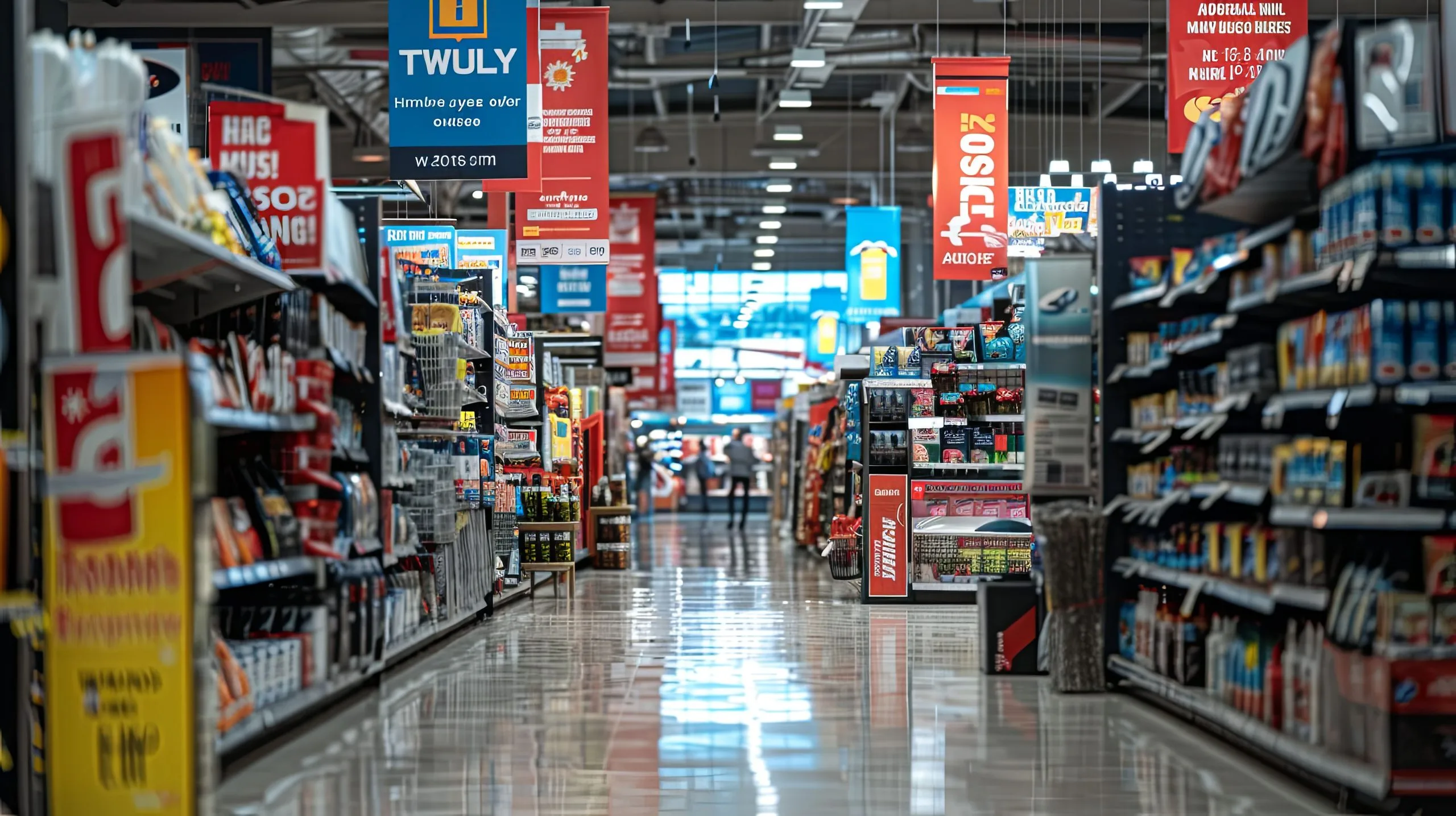
Nigeria’s hardware stores retail market is becoming more important as construction, repairs, renovation, and infrastructure activity continue to expand across the country. Hardware retailers supply essential products such as cement, paints, plumbing items, electrical fittings, tools, roofing materials, fasteners, and home improvement products. With Nigeria’s urban population reaching about 55% of the total population, demand for housing, commercial buildings, and maintenance materials is rising steadily. Construction also contributed 5.38% to Nigeria’s nominal GDP in Q1 2025, highlighting its link with hardware retail demand.
Key market drivers are strengthening demand across construction and home improvement
Urbanization and housing development are increasing retail demand
Nigeria’s expanding urban population is one of the strongest demand drivers for hardware stores. As more people move into cities such as Lagos, Abuja, Port Harcourt, Ibadan, and Kano, demand for residential housing, rental units, commercial spaces, and supporting infrastructure continues to rise. This creates steady consumption of building materials, paints, tiles, electrical goods, locks, pipes, and repair tools. Housing shortages and informal settlement upgrades also support recurring hardware purchases. Many consumers rely on local hardware stores for phased construction, small renovations, and emergency repairs. This makes the market less dependent on large construction projects alone and gives retailers consistent footfall from homeowners, artisans, contractors, and small builders.
Infrastructure activity is supporting bulk hardware sales
Government and private sector investment in roads, schools, hospitals, industrial facilities, and housing projects is creating demand for construction-linked retail products. The U.S. International Trade Administration noted that Nigeria’s construction industry was expected to expand by 2.8% in real terms in 2024, supported by infrastructure development and housing investment. This benefits hardware retailers through higher sales of cement, steel accessories, plumbing products, generators, lighting, safety equipment, and power tools. Large projects often create secondary demand as nearby businesses, workers, and households also need maintenance and improvement of materials.
Repair and renovation culture is widening the customer base
Hardware stores in Nigeria are not only serving new construction. They are also benefiting from regular repair and maintenance needs across homes, shops, offices, warehouses, and public buildings. Frequent power issues, water system repairs, roofing damage, and property upgrades create repeat demand for affordable and easily available materials. Many customers prefer nearby hardware outlets because they offer quick access, product advice, smaller pack sizes, and flexible purchasing. This gives local retailers an advantage, especially in areas where modern organized retail is still limited.
Government support and infrastructure initiatives are creating market momentum
Nigeria’s infrastructure and housing priorities continue to support hardware retail growth. Public spending on roads, health facilities, schools, power, and transport projects increases the need for construction inputs and maintenance materials. In the 2024 budget, Nigeria allocated about USD 16.8 billion for capital expenditure, including funds for education and health infrastructure. These initiatives create direct and indirect opportunities for hardware retailers, distributors, and building-material suppliers.
Competitive landscape is shaped by local stores and distribution strength
The market remains highly fragmented, with many independent hardware stores, building-material shops, open-market traders, wholesalers, and regional distributors. Competition is based on product availability, pricing, location, supplier relationships, and trust with contractors. Larger retailers and distributors are gradually improving inventory range, delivery services, and product quality assurance. However, neighborhood stores still hold strong relevance because they offer convenience, credit flexibility, and practical guidance to local buyers.
Market challenges are limiting faster retail expansion
Price volatility is affecting purchasing decisions
Fluctuating prices of cement, steel, imported fittings, electrical products, and tools remain a major challenge. Currency pressure, import costs, logistics expenses, and inflation can reduce customer purchasing power. Many buyers delay renovation or buy in smaller quantities when prices rise.
Informal trade and quality concerns remain barriers
The large informal retail base creates price competition but also increases the risk of counterfeit, substandard, or poorly stored products. This affects customer confidence and creates challenges for retailers selling genuine, branded products. Better supplier verification, warranties, and product education can help build trust.
Future outlook
The Nigeria hardware stores retail market is expected to grow steadily as urbanization, housing demand, renovation activity, and infrastructure development continue. Retailers that improve inventory management, offer reliable product quality, build contractor relationships, and provide delivery support are likely to gain an edge. Digital ordering, mobile payments, and supplier partnerships can also help stores serve customers more efficiently. While inflation and import dependence remain concerns, the long-term demand base is strong because hardware products are essential to construction, repair, and everyday property maintenance.
Consultants at Nexdigm, in their latest publication “Nigeria hardware stores retail market outlook to 2035,” analyze the sector By Product Category (Hand Tools and Power Tools, Plumbing Supplies and Fixtures, Electrical and Lighting), By Store Format (Big-Box Home Improvement Stores, Regional Hardware Chains, Farm, Ranch and Rural Hardware Retailers)
Nexdigm suggests that businesses should strengthen supplier networks, improve product availability, and align offerings with Nigeria’s growing construction and renovation demand.
To take the next step, simply visit our Request a Consultation page and share your requirements with us.
Harsh Mittal
+91-8422857704