
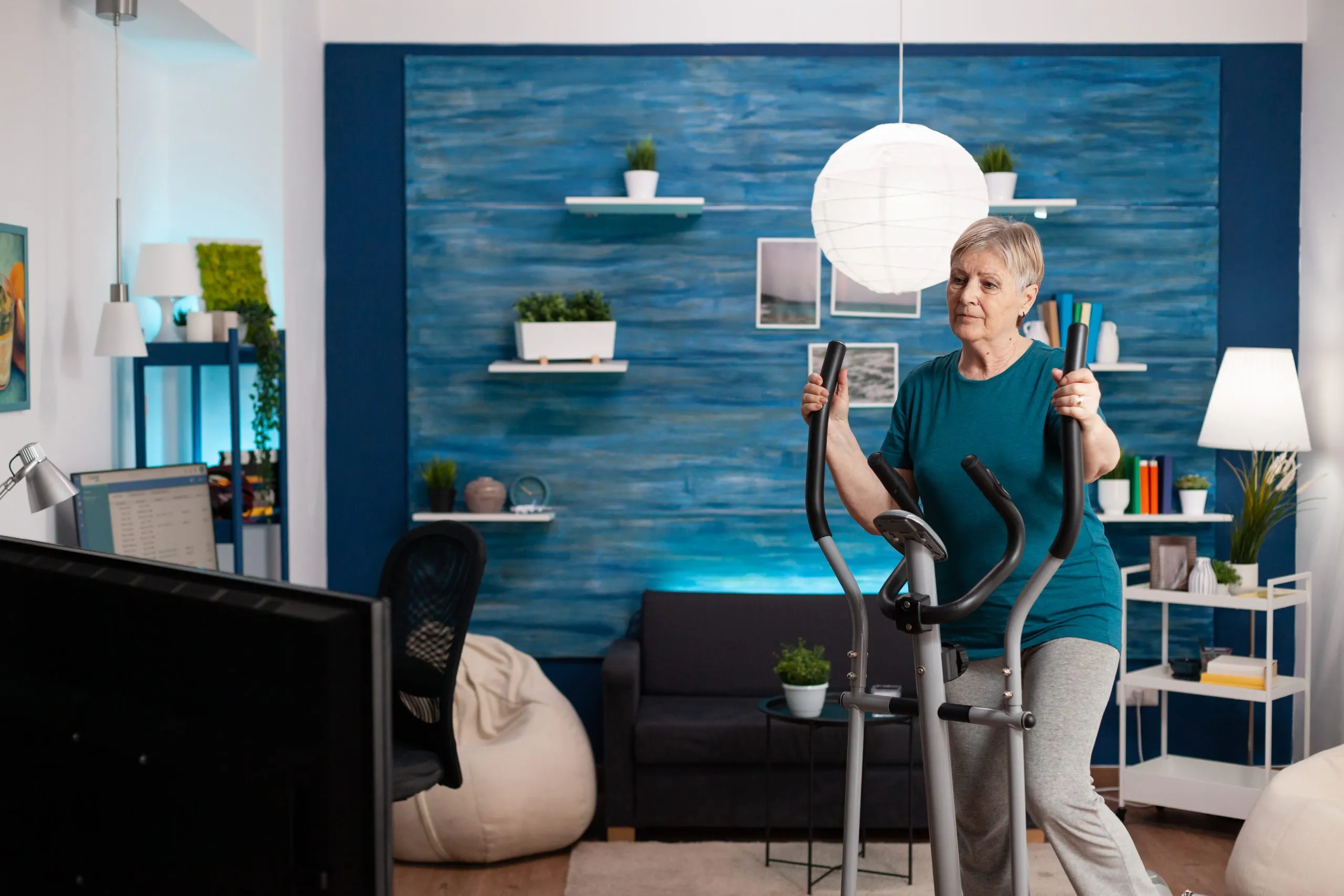
Home fitness is increasingly becoming part of daily life in Nigeria as people look for convenient, flexible ways to stay active. Urban residents and working professionals are investing in equipment such as treadmills, stationary bikes, resistance bands, and adjustable dumbbells to maintain fitness routines at home. The market is projected to reach around USD 520 million in the coming years, highlighting the rising interest in health and wellness. Connected and smart fitness devices, including app-integrated machines and performance trackers, are also driving growth. As gyms remain costly or less accessible in some areas, home fitness is emerging as a practical and sustainable solution for individuals and families alike.
Key Market Drivers Fueling Nigeria’s Fitness Equipment Industry
Growing Health Awareness
Nigerians are becoming more conscious of lifestyle-related health challenges, including obesity, diabetes, and cardiovascular diseases. Many people now see regular exercise as essential for preventive health rather than just an optional activity. Home fitness equipment provides a practical way to incorporate daily workouts without depending on gyms or outdoor spaces. Products like dumbbells, resistance bands, stationary bikes, and treadmills are widely adopted, while multifunctional home gym systems appeal to users seeking complete workout options. Awareness campaigns and social media content about wellness and active lifestyles are reinforcing this trend, encouraging households to invest in fitness solutions that support long-term health goals.
Convenience in Busy Urban Lifestyles
Urban centres such as Lagos, Abuja, and Port Harcourt feature fast-paced lifestyles, long commutes, and demanding work schedules. Home fitness equipment allows residents to exercise at their convenience in early mornings, evenings, or during breaks without traveling to gyms. Compact and foldable machines fit well into apartments or smaller homes, making exercise more accessible. This convenience encourages consistency and helps users integrate workouts into their routines without disrupting daily commitments. Time efficiency, privacy, and flexible workout timing are driving the adoption of home fitness solutions across urban Nigerian households.
Digital Fitness and Smart Tools
Connected fitness equipment and app-enabled devices are changing how Nigerians approach home workouts. Smart treadmills, interactive bikes, and strength machines offer guided sessions, performance tracking, and gamified features that increase motivation and engagement. Digital integration allows users to monitor progress, participate in virtual classes, and compete in online challenges. As smartphone penetration increases and internet access improves, connected equipment is expected to play a growing role in the Nigerian home fitness market in the upcoming years.
Government Initiatives Promoting Wellness across Nigeria
Public health programs and community initiatives in Nigeria are encouraging citizens to adopt healthier lifestyles. Campaigns targeting obesity prevention, cardiovascular health, and physical activity are helping raise awareness about the importance of regular exercise. Though direct subsidies for home fitness equipment are limited, these initiatives foster a culture of wellness and preventive care. Schools, workplaces, and community groups increasingly promote physical activity, indirectly boosting interest in home-based fitness solutions.
Competitive Landscape of Nigeria’s Fitness Equipment Industry
The Nigeria home fitness equipment market features a mix of local manufacturers, international brands, and e-commerce platforms offering products ranging from basic accessories to premium connected machines. Competition is driven by product quality, durability, affordability, and digital features. E-commerce platforms and retailers offering installation support, warranties, and flexible payment options are gaining traction. Brands that combine reliable hardware with engaging digital content, app integration, and localized services are best positioned to attract loyal customers. Partnerships with influencers and fitness communities also help enhance market visibility and trust.
Market Challenges affecting the Nigeria’s Fitness Equipment Industry
Price and Affordability Concerns
Premium fitness equipment, including smart treadmills, connected bikes, and interactive strength systems, can be costly for many households. Subscription fees for app-based coaching and content can add additional expense, limiting adoption for price-sensitive consumers. This may push some buyers to choose basic equipment, second-hand products, or free online fitness content instead. Offering flexible financing, mid-range products, and bundled packages can help brands expand their market reach and appeal to a broader audience.
Space Constraints and Maintaining Motivation
Limited living space in urban homes can make bulky machines impractical. Consumers often prefer compact, foldable, or multifunctional equipment that is easy to store and use. Sustaining long-term engagement is also a challenge. Without progress tracking, interactive content, or coaching, users may lose motivation over time. Incorporating gamification, virtual coaching, and reminders helps maintain interest and consistency.
Future Outlook
Looking ahead to the future, Nigeria’s home fitness equipment market is expected to continue growing as awareness of health and wellness increases and digital adoption expands. Connected and smart fitness devices that integrate performance tracking, virtual coaching, and app-based routines are likely to see the strongest growth. Compact, affordable, and convenient home fitness solutions will appeal to a wider audience, including urban and semi-urban households. Brands that focus on accessibility, engagement, and measurable results will capture the largest market share. Home fitness is expected to become an integral part of everyday life, supporting healthier lifestyles and preventive health across Nigeria.
Consultants at Nexdigm, in their latest publication “Nigeria Home Fitness Equipment Market Outlook to 2035” analyze the sector by Product Category (Cardiovascular Equipment, accessories and Support, Strength and Resistant Equipment, Smart Devices), by Price Category (Mass/Economy Tier, Mid-range Products, Premium Tier Equipment).
Nexdigm suggests that businesses should focus on offering affordable, space-efficient, and digitally connected home fitness solutions tailored to the target consumers. Companies should combine interactive apps, personalized workout programs, subscription-based content, flexible financing options, and strong after-sales support to drive engagement, customer loyalty, and sustainable growth in Nigeria’s home fitness equipment market.
To take the next step, simply visit our Request a Consultation page and share your requirements with us.
Harsh Mittal
+91-8422857704