
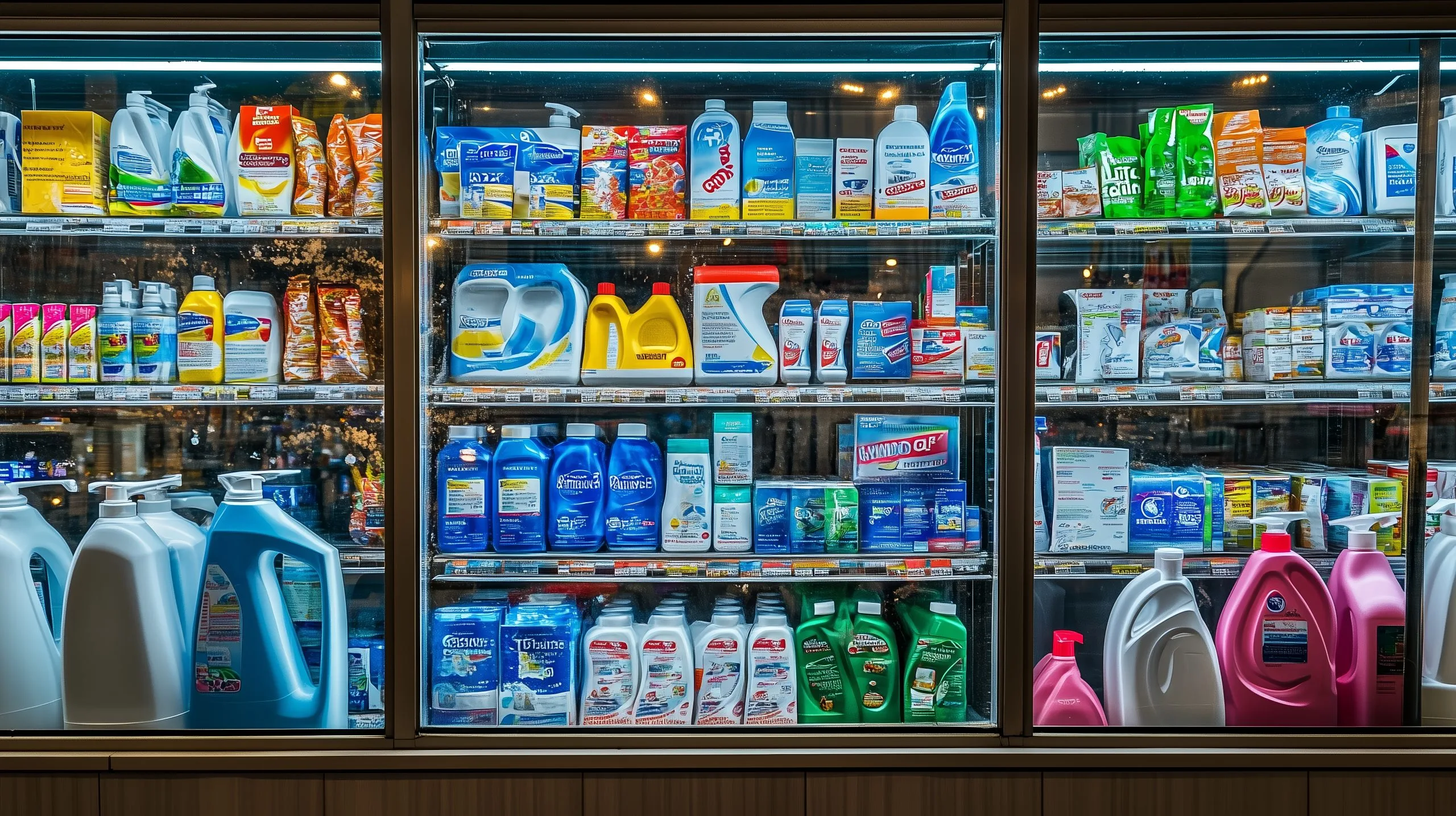
The Nigeria household cleaners’ market is expected to grow steadily through 2035 as consumers place greater importance on hygiene, affordability, convenience, and safer homecare products. Nigeria’s household cleaning products market is growing at a 4.8% CAGR value. Surface cleaners were the largest product segment, reflecting strong demand for everyday sanitation and visible cleanliness. Broader home care sales reached peak, showing strong momentum across household categories. This growth shows that cleaning products are becoming more important in daily routines, especially as households seek effective solutions that fit tight budgets.
Major Growth Drivers of Nigeria’s Household Cleaners Market
Hygiene Awareness and Daily Cleaning Needs Are Supporting Demand
Hygiene awareness remains one of the strongest drivers of Nigeria’s household cleaner’s market. Consumers are using surface cleaners, disinfectants, bathroom cleaners, kitchen cleaners, toilet cleaners, and floor cleaners more regularly to maintain safer and more comfortable homes. The market’s projected growth reflects rising demand for products that support daily cleaning and sanitation. Surface cleaners leading the category shows how important visible cleanliness is for Nigerian households. Urbanization, changing lifestyles, and greater awareness of germs are also encouraging the use of branded cleaning products. As consumers look for reliable products that deliver visible results, household cleaners are likely to become more regular purchases.
Affordability and Value Formats Are Shaping Consumer Choices
Affordability is central to growth in Nigeria’s household cleaner’s market. Many consumers compare products based on price, pack size, fragrance, and perceived cleaning strength. The support interests in small packs, value formats, multi-purpose cleaners, concentrated products, and refill options. Brands that offer strong cleaning performance at accessible price points are likely to gain stronger repeat purchases. In a price-sensitive market, products must feel useful, economical, and easy to include in regular household spending.
Urbanization and Branded Homecare Adoption Are Expanding the Market
Nigeria’s expanding urban population is supporting demand for more organized and branded homecare products. Urban households are more likely to buy packaged cleaners through supermarkets, neighborhood stores, open markets, and e-commerce channels. As consumers shift from traditional cleaning methods to specialized products, demand for floor cleaners, toilet cleaners, disinfectants, and multi-surface cleaners is expected to rise. Product formats that save time, smell pleasant, and work across multiple cleaning needs will remain important. Wider retail access is also helping consumers compare brands, pack sizes, and product claims more easily. This creates opportunities for companies that can combine affordability with trusted cleaning performance.
Government Support enhancing Nigeria’s Household Cleaners Mraket Growth
Government action on plastic waste is indirectly influencing Nigeria’s household cleaners market. UNEP has supported Nigeria in developing guidelines for Extended Producer Responsibility for plastic packaging, while Nigeria’s Federal Government has moved toward making plastic waste management a legally binding responsibility for producers, importers, and brand owners. These initiatives can push household cleaner companies to improve recyclability, reduce plastic intensity, and consider refill or lighter packaging formats. As packaging rules become more important, brands will need to think beyond product performance and consider end-of-life waste. Responsible packaging could become a stronger differentiator as consumers, retailers, and regulators pay more attention to sustainability.
Competitive Scenario in Nigeria’s Homecare Market
The Nigeria household cleaners’ market is competitive, with multinational companies, local manufacturers, regional brands, private labels, informal retailers, and value-led players competing across price, efficacy, fragrance, packaging, and distribution. Established brands benefit from trust and wide retail reach, while local brands are gaining share by offering affordable and multifunctional products. Surface cleaners, disinfectants, toilet cleaners, and floor cleaners remain in key battlegrounds. As competition increases, brands will need to balance visible performance, accessible pricing, convenient packaging, and clear hygiene claims. Strong availability across open markets, neighborhood stores, supermarkets, and online channels will remain essential. Companies that offer dependable cleaning results at everyday price points are likely to build stronger loyalty.
What Could Slow Down the Nigeria Household Cleaners Market?
Price Sensitivity and Informal Competition
Price sensitivity remains a major challenge in Nigeria’s household cleaner’s market. Consumers may switch between branded products, local alternatives, promotions, and informal-market options based on affordability. Premium or eco-friendly cleaners may grow more slowly if their benefits are not clearly communicated. Brands need small packs, refill options, and clear cost-per-use messaging to encourage repeat purchases. Economic pressure can also make consumers prioritize basic cleaning products over specialized or premium formats. To succeed, companies must show clear value in every purchase.
Packaging Costs and Sustainability Claims
Sustainable packaging and safer formulations can increase production costs, which may be difficult to pass on in a value-conscious market. Consumers may also become cautious of vague claims such as natural, green, or eco-friendly if they are not supported by clear information. The challenge is to improve packaging and ingredient transparency without weakening cleaning performance, fragrance, or affordability. Brands must prove that greener products can still work well and remain practical for everyday use. Clear communication and realistic pricing will be important for building consumer trust.
Future Outlook
Nigeria’s household cleaners’ market is expected to become more organized, value-focused, and innovation-led. Growth will be supported by hygiene awareness, urbanization, rising homecare spending, and demand for affordable branded products. Surface cleaners, disinfectants, toilet cleaners, floor cleaners, multi-purpose products, refill packs, and concentrated formats are likely to gain stronger attention. Brands that combine strong cleaning performance, accessible pricing, reliable distribution, credible claims, and practical packaging will be better positioned to capture long-term opportunities in Nigeria’s evolving homecare market. As households balance hygiene needs with affordability, practical and trustworthy cleaning products will remain central to market growth.
Consultants at Nexdigm, in their latest publication Nigeria Household Cleaners Market Outlook to 2035,” analyzed the market by Product Type (Multi Surface Cleaners, Floor Cleaner, Glass and Window Cleaners, Disinfecting Wipes and Sprays), by Application Area (Floors, Kitchen, Bathroom Surfaces, Glasses and Mirrors).
Nexdigm believes businesses in the Homecare Industry must balance hygiene, convenience, affordability, and environmental responsibility. Brands that offer effective cleaners, credible safety claims, recyclable packaging, and value-led formats will be better positioned to meet evolving household needs.
To take the next step, simply visit our Request a Consultation page and share your requirements with us.
Harsh Mittal
+91-8422857704