
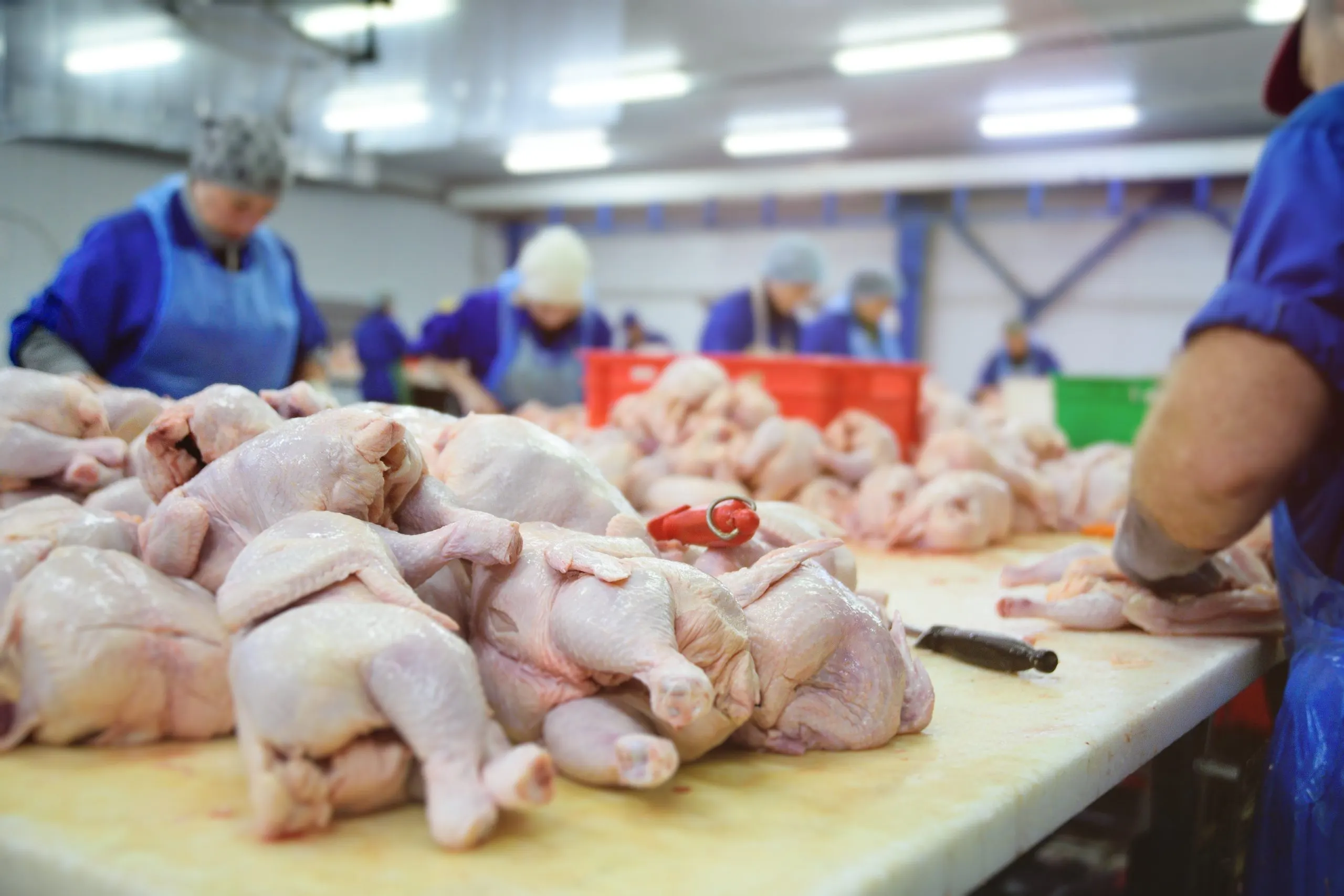
The Nigeria poultry meat market is growing as households, quick-service restaurants, hotels, retailers, and food vendors look for affordable and accessible protein options. Chicken remains popular because it is versatile, easy to cook, and suitable for everyday meals as well as foodservice menus. Annual poultry meat consumption is estimated at around 400,000 MT, while per capita consumption remains relatively low at nearly 1.5–2.0 kg, showing strong room for future growth. Rising urbanization, expanding retail networks, and demand for convenient protein formats are strengthening the market’s long-term potential.
Key Growth Drivers of the Nigeria Poultry Meat Market
Chicken Is Gaining Importance as an Affordable Protein
Poultry meat is increasingly important for Nigerian consumers because it offers a practical protein choice for households across income groups. Chicken is used in home cooking, street food, fast food, and festive meals, making it a familiar part of the food culture. As consumers seek affordable alternatives to red meat and fish, poultry is gaining stronger relevance in daily diets. The country’s low per capita consumption also indicates significant headroom for market expansion.
Foodservice and QSR Channels Are Supporting Demand
Nigeria’s growing quick-service restaurant, catering, hotel, and informal foodservice sectors are creating steady demand for poultry meat. Fried chicken, grilled chicken, chicken-based meals, and processed poultry products are widely used across restaurants and takeaway formats. Urban consumers are also spending more on ready-to-eat and convenient meals, supporting demand for portioned, frozen, marinated, and processed chicken products.
Formal Retail and Cold Chain Are Improving Market Access
Supermarkets, frozen food stores, distributors, and online grocery channels are helping improve access to poultry products in urban areas. Better cold-chain networks are supporting wider availability of frozen and processed poultry, although distribution remains uneven across regions.
Government Support Is Focused on Local Production and Import Substitution
Government support for Nigeria’s poultry sector is largely linked to local production growth, import restriction policies, food security, and agribusiness development. Efforts to encourage domestic poultry farming are aimed at reducing dependence on imported poultry products and strengthening local value chains. Support for feed production, smallholder farming, veterinary services, and agribusiness financing can improve sector resilience. These initiatives are important for increasing local supply, creating rural employment, and improving access to affordable animal protein.
Competitive Landscape Is Shaped by Local Producers and Frozen Poultry Suppliers
The Nigeria poultry meat market includes commercial poultry farms, small and medium producers, frozen food distributors, processors, wholesalers, supermarkets, and foodservice suppliers. Competition is shaped by price, product availability, quality, cold-chain reach, and brand trust. Local producers are expanding to meet demand, while frozen poultry distributors remain important in urban retail channels. Companies that can manage production costs, maintain reliable supply, and offer affordable product formats are better positioned in the market.
Market Challenges in the Nigeria Poultry Meat Market
Feed Costs Continue to Pressure Producers
Feed is one of the largest costs in poultry production. Rising maize, soybeans, logistics, and energy costs can increase production expenses and make poultry products less affordable for consumers.
Cold Chain and Distribution Limit Market Reach
Limited cold-chain infrastructure, power supply challenges, and fragmented distribution networks affect product quality and availability. Informal market competition also creates pricing pressure for organized producers and processors.
Future Outlook
The Nigeria poultry meat market is expected to grow as population expansion, urban foodservice, retail modernization, and affordable protein demand continue to support consumption. Future opportunities are likely to emerge in frozen chicken, processed poultry, ready-to-cook cuts, marinated products, and institutional foodservice supply. Stronger local production, improved feed efficiency, better cold-chain systems, and wider retail distribution will be important for long-term growth. Businesses that balance affordability, quality, and reliable supply are likely to capture stronger opportunities in the market.
Consultants at Nexdigm, in their latest publication “Nigeria poultry meat market outlook to 2035,” analyze the sector By Product Type (Chicken Meat, Turkey Meat, Duck Meat), By Form (Fresh Poultry Meat, Frozen Poultry Meat, Processed Poultry Meat)
Nexdigm suggests that businesses should prioritize affordable poultry formats, feed cost optimization, local production expansion, and reliable cold-chain distribution to capture growth in Nigeria’s poultry meat market.
To take the next step, simply visit our Request a Consultation page and share your requirements with us.
Harsh Mittal
+91-8422857704
[email protected]