
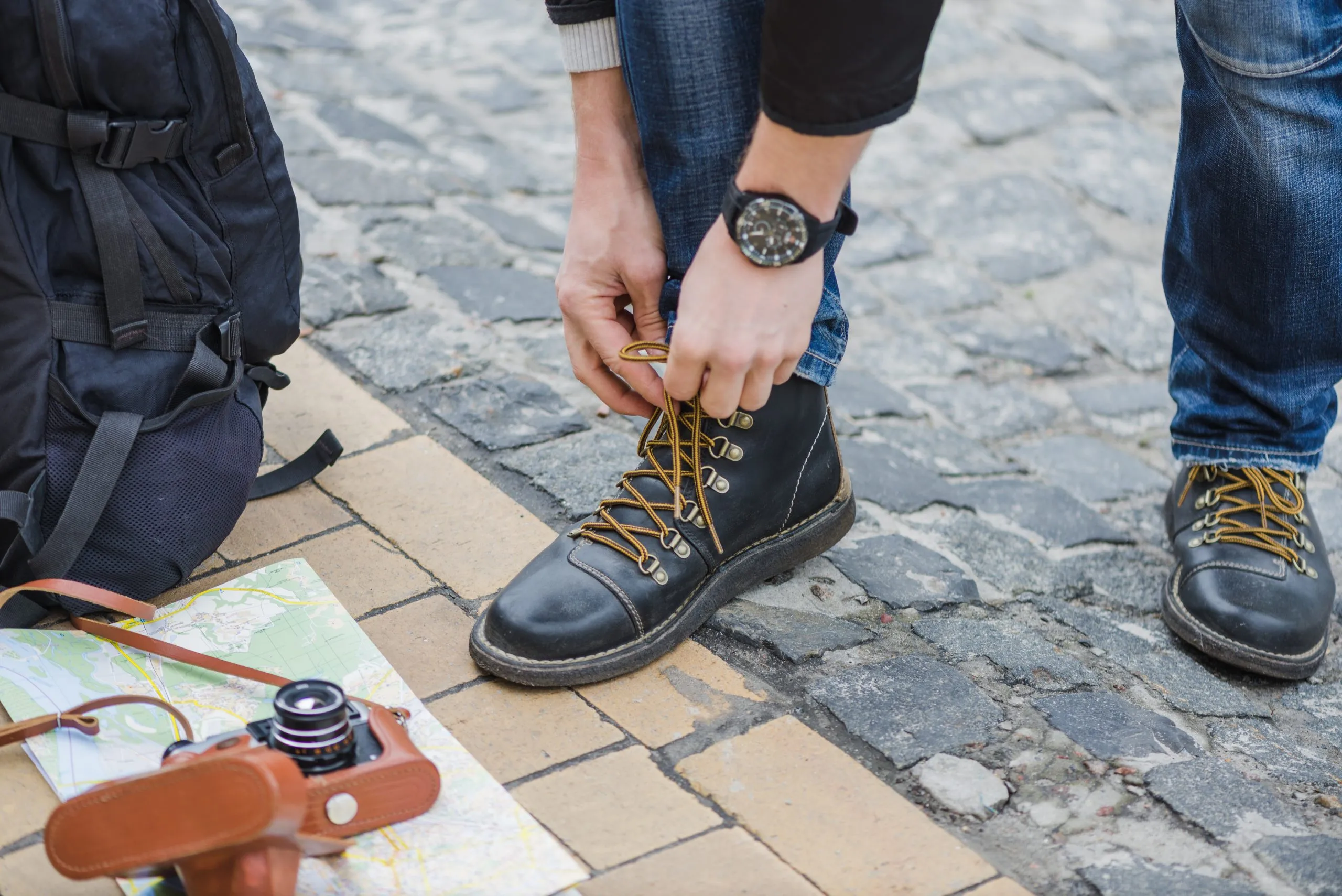
Nigeria’s industrial protective footwear market is expected to grow rapidly as companies place more attention on worker safety, injury prevention, and workplace compliance. Safety shoes and boots are widely used across oil & gas, construction, manufacturing, mining, logistics, chemicals, and utilities, where workers face risks such as falling objects, slippery surfaces, sharp materials, heat, chemicals, and electrical hazards. The global industrial protective footwear market is projected to reach USD 19.6 billion by the next decade. This wider industry growth shows that companies across industrial markets are investing more in reliable foot protection. In Nigeria, protective footwear is gradually becoming a core safety requirement rather than just part of a standard work uniform.
Major Factors Creating Demand for Industrial Protective Footwear in Nigeria’s Market
Oil & Gas Worksites Continue to Lead Demand
Nigeria’s oil & gas sector remains one of the strongest demand areas for industrial protective footwear. Workers across drilling sites, refineries, terminals, pipelines, and maintenance facilities need footwear that can protect them from slips, impact, punctures, chemicals, oil exposure, and electrical hazards. These are tough environments where footwear quality directly affects worker safety and daily productivity. As upstream and downstream activity improves, demand for certified safety boots, anti-slip footwear, and chemical-resistant products is expected to rise. For many oilfield operators, reliable footwear is not optional; it is part of basic site readiness.
Construction, Manufacturing, and Infrastructure Are Widening the Market
Construction and manufacturing are also becoming important users of industrial protective footwear in Nigeria. Construction workers need protection from falling objects, sharp debris, nails, concrete exposure, unstable ground, and heavy machinery. Manufacturing sites create different risks, including oils, chemicals, hot surfaces, machinery hazards, and long hours of standing or walking. The broader global PPE market is growing rapidly. This reflects rising demand for protective gear that is safer, more comfortable, and more suitable for specific jobs. In Nigeria, expanding construction activity, factory operations, logistics facilities, and infrastructure development are expected to support stronger footwear demand. As more employers try to reduce accidents and downtime, safety footwear will become a more important procurement decision.
Buyers Are Looking for Comfort, Not Just Protection
Industrial buyers in Nigeria are increasingly looking for footwear that protects workers without making long shifts harder. Workers who stand, walk, lift, climb, or operate equipment for several hours need shoes that are durable, stable, and comfortable. This is increasing demand for breathable materials, anti-fatigue soles, lightweight safety shoes, water-resistant boots, and slip-resistant designs. Different industries also need different footwear features. Oil & gas workers may require chemical-resistant, anti-static, or oil-resistant boots. Construction workers often need rugged steel-toe footwear with puncture-resistant soles. Warehouse and logistics workers may prefer lighter shoes with strong grip and flexibility. This shift toward job-specific footwear will create opportunities for suppliers with broader product ranges. Over time, companies are likely to move away from one-size-fits-all safety shoes and choose footwear based on actual workplace risks.
Nigeria Government Regulations Supporting Safety Footwear Market Growth
Nigeria’s industrial safety environment is supported by workplace safety laws, factory inspection practices, and employer responsibility for worker protection. Safety compliance is especially important in hazardous sectors such as oil & gas, construction, chemicals, manufacturing, and mining. These industries often require employers to provide appropriate personal protective equipment, including safety shoes and protective boots. Government and regulatory attention on oil & gas reforms is also relevant for the market. Active drilling rigs reportedly increased, showing stronger activity in a highly regulated sector. Higher formal industrial activity usually increases the need for certified PPE and better safety procedures. As audits, contractor requirements, and site-level safety checks become more structured, protective footwear procurement is likely to become more consistent. This will encourage companies to treat footwear as part of risk management rather than a low-cost purchase.
Competitive Insights of Nigeria’s Safety Footwear Market
Nigeria’s industrial protective footwear market includes international PPE brands, regional distributors, local suppliers, importers, wholesalers, and private-label providers. Competition is shaped by pricing, durability, certification, comfort, availability, and suitability for different job environments. Large industrial buyers usually prefer suppliers that can provide steady stock, bulk supply, and documents showing safety compliance. International brands often compete through tested materials, stronger protection features, and specialized footwear ranges. Local and regional suppliers usually compete through affordability, faster delivery, and established relationships with contractors, factories, and oilfield service companies. As buyers become more safety-conscious, suppliers offering certified footwear for oil & gas, construction, manufacturing, logistics, and chemicals are likely to gain an advantage. Strong distribution networks and dependable after-sales support will also become important as companies manage footwear needs across multiple sites.
Key Barriers affecting the Nigeria Safety Footwear Market
Price Pressure and Low-Cost Alternatives
Price sensitivity remains one of the biggest challenges in Nigeria’s protective footwear market. Many small contractors and informal businesses may choose cheaper footwear that offers limited durability or weaker protection. While this lowers upfront spending, it can increase replacement frequency and expose workers to higher injury risks. This creates a gap between workplace safety expectations and actual footwear quality. Suppliers may need to offer mid-range products that balance affordability, certification, comfort, and durability. Educating buyers on long-term cost savings and injury prevention will also be important. Better-quality footwear may cost more at first, but it can reduce downtime, replacement costs, and safety incidents over time.
Compliance Gaps and Worker Comfort Issues
In some workplaces, PPE rules may exist but may not be followed consistently. Workers may also avoid using protective footwear if it is too heavy, uncomfortable, poorly fitted, or unsuitable for Nigeria’s hot and demanding work environments. This reduces the real safety value of footwear even when employers provide it. Comfort will therefore play a bigger role in market growth. Products with breathable materials, slip-resistant soles, lighter construction, better cushioning, and improved fit are likely to see stronger acceptance. Employers will also need to ensure workers are trained on proper footwear use and replacement. In the long run, footwear that workers are willing to wear consistently will deliver stronger safety outcomes.
Future Outlook
By the next decade, Nigeria’s industrial protective footwear market is expected to become more organized, safety-driven, and application-specific. Demand will be supported by oil & gas activity, construction growth, manufacturing development, logistics expansion, mining operations, and rising awareness of workplace safety. The global industrial protective footwear market’s projected growth indicates strong long-term demand for safety footwear across industrial economies. Future growth in Nigeria is likely to favor certified, durable, comfortable, and job-specific products. Safety boots for oil & gas, rugged construction footwear, slip-resistant warehouse shoes, and chemical-resistant industrial footwear are expected to see wider use. Suppliers that combine affordability, compliance, comfort, and reliable distribution will be better positioned to capture demand. As safety culture improves, protective footwear will increasingly be viewed as a workplace investment rather than a routine purchase.
Consultants at Nexdigm, in their latest publication “Nigeria Industrial Protective Footwear Market Outlook to 2035,” analyzed the market by Product Type (Steel Toe, composite Toe, Electrical Hazard, Metatarsal Guard, Puncture Resistant), by Distribution Channel (Industrial Distributor, B2B Procurement Portals, E Commerce Platforms, OEM Safety Contracts).
Nexdigm believes businesses should focus on growth, innovation, and long-term value creation while trusted advisors manage operational, regulatory, tax, accounting, and compliance complexities. By simplifying business processes and supporting informed decision-making, Nexdigm helps organizations stay agile, reduce risk, and concentrate on building stronger, more sustainable enterprises.
To take the next step, simply visit our Request a Consultation page and share your requirements with us.
Harsh Mittal
+91-8422857704