
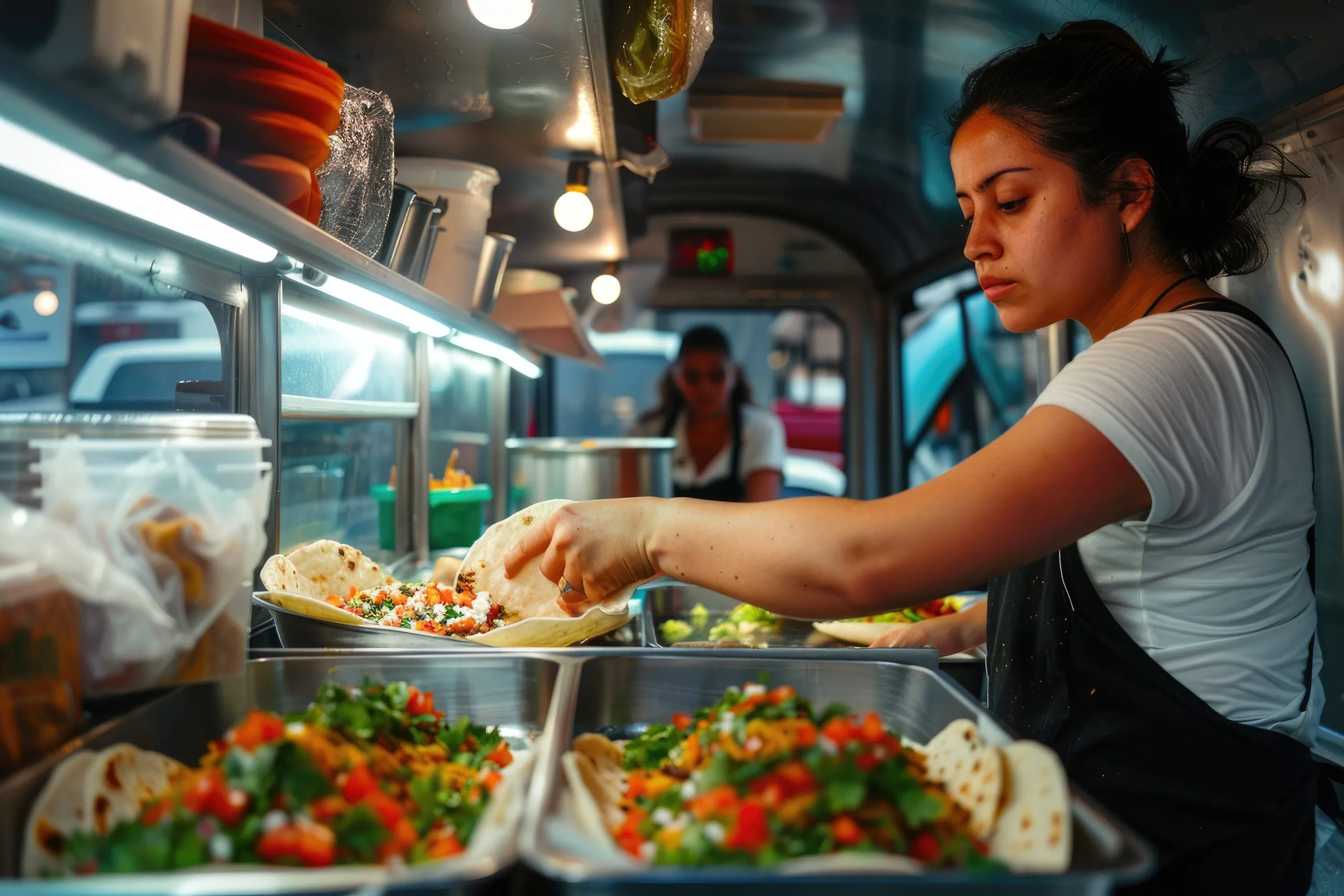
The Nigeria quick service restaurant market is expanding as consumers look for affordable, convenient, and familiar meal options across busy urban centres. QSRs held around 55.92% of Nigeria’s foodservice market share in 2025, showing the strength of fast, accessible dining formats. Demand is supported by young consumers, working professionals, students, families, mall visitors, and delivery users across cities such as Lagos, Abuja, Port Harcourt, and Ibadan. As organized foodservice grows, value meals, digital payments, delivery platforms, and local menu innovation are becoming important growth drivers.
Key market drivers are strengthening Nigeria’s quick service restaurant growth
Young urban consumers are increasing demand for affordable meals
Nigeria’s large young population is a major driver of QSR demand. Consumers often seek quick, filling, and budget-friendly meals that fit work schedules, school routines, commuting, and social outings. Chicken meals, burgers, meat pies, rice meals, shawarma, pizza, local snacks, pastries, and beverages are popular across different income groups. Affordability remains especially important, so QSR brands are using value menus, combo meals, family packs, and portion-based pricing to attract repeat customers. Brands that combine familiar flavours with consistent quality and accessible pricing are better positioned to build loyalty.
Digital payments and delivery platforms are improving access
Digital payments, mobile ordering, and food delivery platforms are reshaping how Nigerian consumers access QSR meals. Customers increasingly use online platforms to compare menus, place orders, pay digitally, and receive meals at home or work. Delivery-led demand is especially strong in urban areas where traffic congestion and busy workdays make convenience important. For QSR operators, digital channels provide useful insights into customer preferences, order frequency, peak demand periods, and promotional performance. These insights can support better menu planning, pricing, and customer engagement.
Chained outlets and organized formats are supporting market expansion
Nigeria’s QSR market is becoming more organized as chained outlets, franchise operators, mall-based stores, and delivery-focused formats expand. Chained outlets are expected to grow faster than independent formats, supported by standardized menus, recognizable branding, hygiene standards, and stronger operating systems. Organized QSR brands are also benefiting from rising demand for trusted, consistent, and convenient meals.
Government initiatives and formalization are influencing foodservice growth
Government policies related to food safety, business registration, digital payments, taxation, employment, and small business development are shaping Nigeria’s QSR market. Agencies focused on food regulation and consumer protection play an important role in improving hygiene and product standards. Efforts to support small businesses, digital transactions, and formal retail development can also benefit organized foodservice operators. However, businesses must manage compliance requirements, licensing, and local operating conditions carefully to scale sustainably.
Competitive landscape is becoming more value and delivery focused
The Nigeria QSR market includes local fast-food chains, global brands, independent restaurants, bakeries, shawarma outlets, chicken specialists, pizza brands, cloud kitchens, and delivery-first concepts. Competition is shaped by price, location, taste, portion size, delivery speed, hygiene, brand trust, and promotional offers. Independent outlets still hold a strong presence, but organized chains are gaining visibility in major cities. Brands that can offer value, consistency, local flavour, and digital convenience are likely to gain stronger consumer traction.
Market challenges continue to pressure margins and expansion
Inflation and cost pressures are affecting profitability
QSR operators in Nigeria face rising costs related to ingredients, fuel, electricity, rent, packaging, logistics, wages, and imported inputs. These pressures can reduce margins and make menu pricing difficult, especially for value-focused brands.
Infrastructure and supply chain constraints remain key concerns
Power supply issues, traffic congestion, cold chain gaps, and logistics challenges can affect food storage, delivery reliability, and outlet operations. Maintaining consistency across multiple locations requires strong supplier partnerships and operational controls.
Future outlook
The future outlook for the Nigeria quick service restaurant market remains positive, supported by urbanization, young consumers, delivery adoption, digital payments, and growing demand for affordable prepared meals. The broader foodservice market is projected to reach USD 21.38 billion by 2031, creating strong opportunities for QSR operators. Growth is expected across value meals, chicken-led formats, local snacks, delivery-first kitchens, mall outlets, and chained restaurants. Businesses that invest in cost efficiency, localized menus, digital engagement, and resilient supply chains will be better positioned to capture long-term growth.
Consultants at Nexdigm, in their latest publication “Nigeria quick service restaurant market outlook to 2035,” analyze the sector By Product Type (Burgers and Sandwiches, Pizza and Pasta, Chicken-based QSR, Mexican and Tex-Mex), By Service Model (Dine-in, Takeaway, Drive-thru)
Nexdigm suggests that businesses in the Nigeria quick service restaurant market should focus on value-led menus, digital payments, and delivery efficiency to serve young and price-conscious consumers.
To take the next step, simply visit our Request a Consultation page and share your requirements with us.
Harsh Mittal
+91-8422857704