
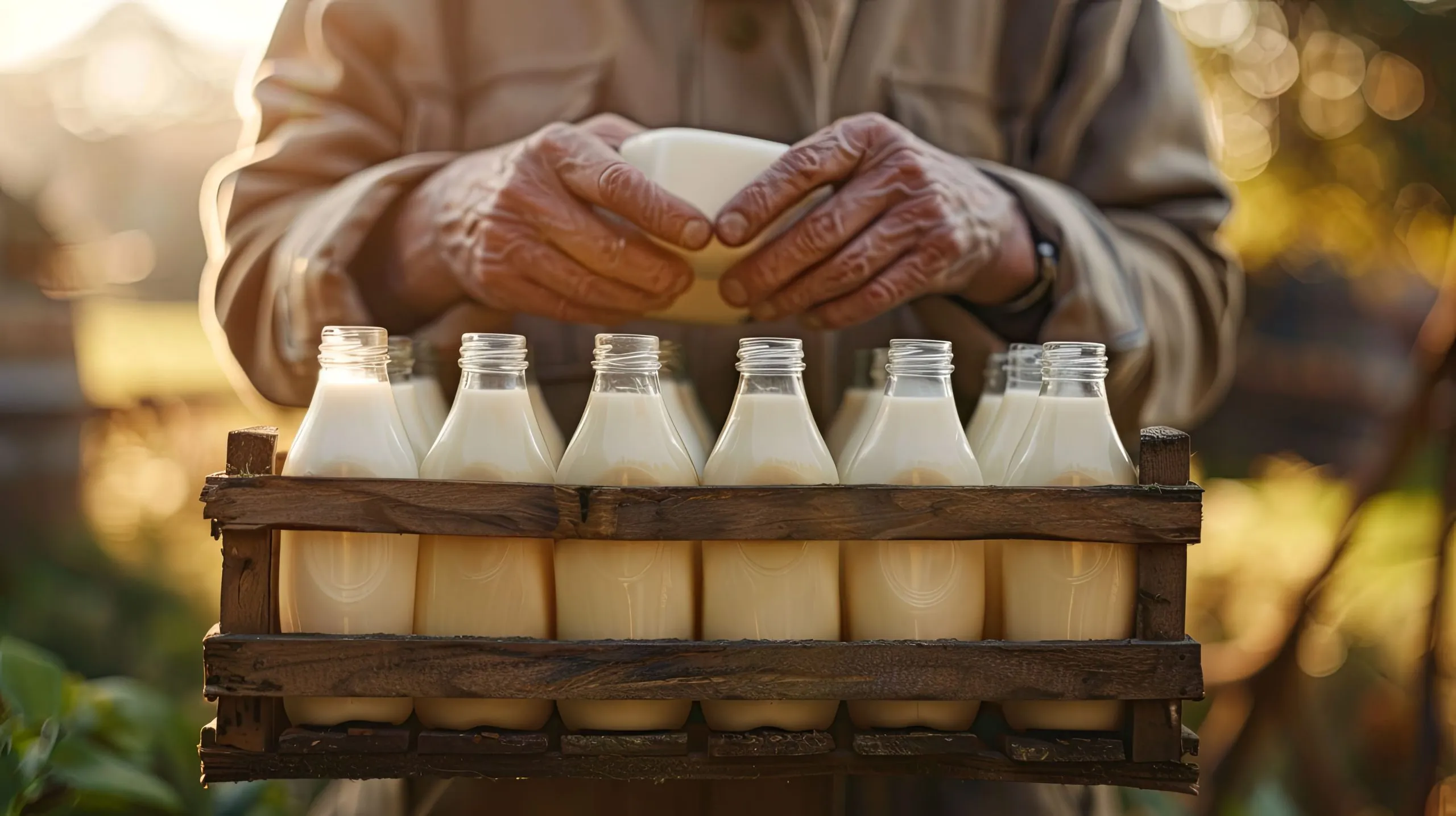
The Nigeria Reconstituted Milk Market is becoming an essential part of the country’s dairy ecosystem, driven by rising demand for affordable and accessible dairy products. Reconstituted milk, produced by combining milk powder with water and other dairy ingredients, plays a crucial role in meeting consumer demand where fresh milk supply remains limited. Nigeria’s heavy dependence on imported dairy products continues to support the market, with nearly 80% of dairy consumption being fulfilled through imports and dairy imports valued at approximately USD 568 million. As urbanization and nutritional awareness increase, reconstituted milk is emerging as a practical solution for millions of Nigerian households.
Key Growth Drivers Accelerating the Nigeria Reconstituted Milk Market
Strong Dependence on Imported Dairy Products
One of the most significant growth drivers of the Nigeria Reconstituted Milk Market is the country’s reliance on imported dairy ingredients. Domestic milk production currently falls short of national demand, creating a substantial opportunity for powdered and reconstituted milk products. Imported milk powder serves as the foundation for a large portion of the dairy products consumed across the country. This dependence has encouraged manufacturers and distributors to expand the availability of reconstituted milk products through both formal and informal retail channels. The ability of milk powder to offer long shelf life and easy transportation makes it particularly suitable for Nigeria’s diverse and often challenging distribution environment.
Growing Demand for Affordable and Convenient Nutrition
Affordability remains a major consideration for Nigerian consumers, and reconstituted milk addresses this need effectively. Fat-filled milk powder, one of the most widely consumed dairy formats in the country, has gained popularity because it offers a cost-effective alternative to fresh milk while still providing essential nutrients. Many consumers purchase milk in sachets and refill packs, making reconstituted dairy products highly accessible across different income groups. Rising awareness about child nutrition and balanced diets is also encouraging greater consumption of fortified milk products, particularly among urban families. As purchasing power gradually improves, demand for nutritionally enriched reconstituted milk is expected to increase further.
Expanding Urbanization and Retail Distribution Networks
Rapid urban growth in cities such as Lagos, Abuja, Kano, Kaduna, and Port Harcourt is creating a larger consumer base for packaged dairy products. These urban centers serve as major hubs for dairy imports, distribution, and retail sales, facilitating widespread market penetration. The expansion of supermarkets, wholesalers, neighborhood stores, and open-market distribution systems has improved product accessibility. Reconstituted milk products benefit from their ability to be stored without expensive cold-chain infrastructure, making them particularly attractive in regions where refrigerated logistics remain limited.
Government and Dairy Development Initiatives Supporting the Nigeria Reconstituted Milk Market
Government efforts to improve food security and strengthen local dairy production are indirectly supporting the Nigeria Reconstituted Milk Market. Various milk collection and dairy development initiatives are being implemented to increase domestic milk availability and reduce reliance on imports over the long term. At the same time, investments in agricultural modernization, livestock development, and rural dairy infrastructure are helping create a stronger foundation for the dairy sector. These initiatives are expected to improve supply chain efficiency while ensuring broader access to nutritious dairy products across the country.
Competitive Landscape of the Nigeria Reconstituted Milk Market
The Nigeria Reconstituted Milk Market is characterized by the presence of multinational dairy companies, local processors, importers, and distributors competing across various product categories. Fat-filled milk powder, powdered milk, recombined UHT milk, and fortified dairy beverages dominate the market landscape. Companies compete through pricing strategies, product fortification, distribution reach, packaging innovation, and brand recognition. Market participants are increasingly focusing on value-oriented products that cater to Nigeria’s price-sensitive consumer base while maintaining nutritional quality.
Key Challenges Facing the Nigeria Reconstituted Milk Market
Heavy Import Dependence and Currency Volatility
One of the biggest challenges for the Nigeria Reconstituted Milk Market is its dependence on imported dairy ingredients. Fluctuations in exchange rates, international commodity prices, and shipping costs can significantly affect product pricing and profitability. These factors can create uncertainty for manufacturers and distributors, particularly when import costs rise sharply. Managing procurement efficiency and supply chain resilience remains critical for industry participants.
Affordability Constraints Among Consumers
Although demand for dairy products is growing, affordability remains a challenge for many households. Rising food prices and economic pressures can limit dairy consumption, especially among lower-income consumers. In addition, lower-cost substitutes such as coffee whiteners and non-dairy alternatives continue to compete for consumer spending. Manufacturers must therefore balance affordability with nutritional value to sustain long-term growth.
Future Outlook
The future of the Nigeria Reconstituted Milk Market appears highly promising, supported by population growth, increasing urbanization, and rising awareness of nutrition. The broader recombined milk segment is projected to grow at a CAGR of approximately 8.15%, reflecting strong long-term demand potential. Emerging opportunities in fortified milk powders, value-added dairy beverages, local milk collection programs, and modern retail expansion are expected to accelerate market development. As consumers continue seeking affordable, nutritious, and convenient dairy products, reconstituted milk is likely to remain a vital component of Nigeria’s dairy industry. Continued investments in local dairy infrastructure and product innovation will further strengthen future growth prospects.
Consultants at Nexdigm, in their latest publication “Nigeria Reconstituted Milk Market Outlook to 2035,” analyze the sector By Product Type (Powdered Reconstituted Milk, Liquid Reconstituted Milk, Fat-Filled Milk Powder), By Distribution Channel (Open Markets, Wholesalers and Distributors, Supermarkets and Hypermarkets, Neighbourhood Stores).
Nexdigm suggests that companies should focus on affordable product innovation, stronger local sourcing partnerships, expanded retail penetration, and fortified dairy offerings to unlock the long-term potential of the Nigeria Reconstituted Milk Market.
To take the next step, simply visit our Request a Consultation page and share your requirements with us.
Harsh Mittal
+91-8422857704