
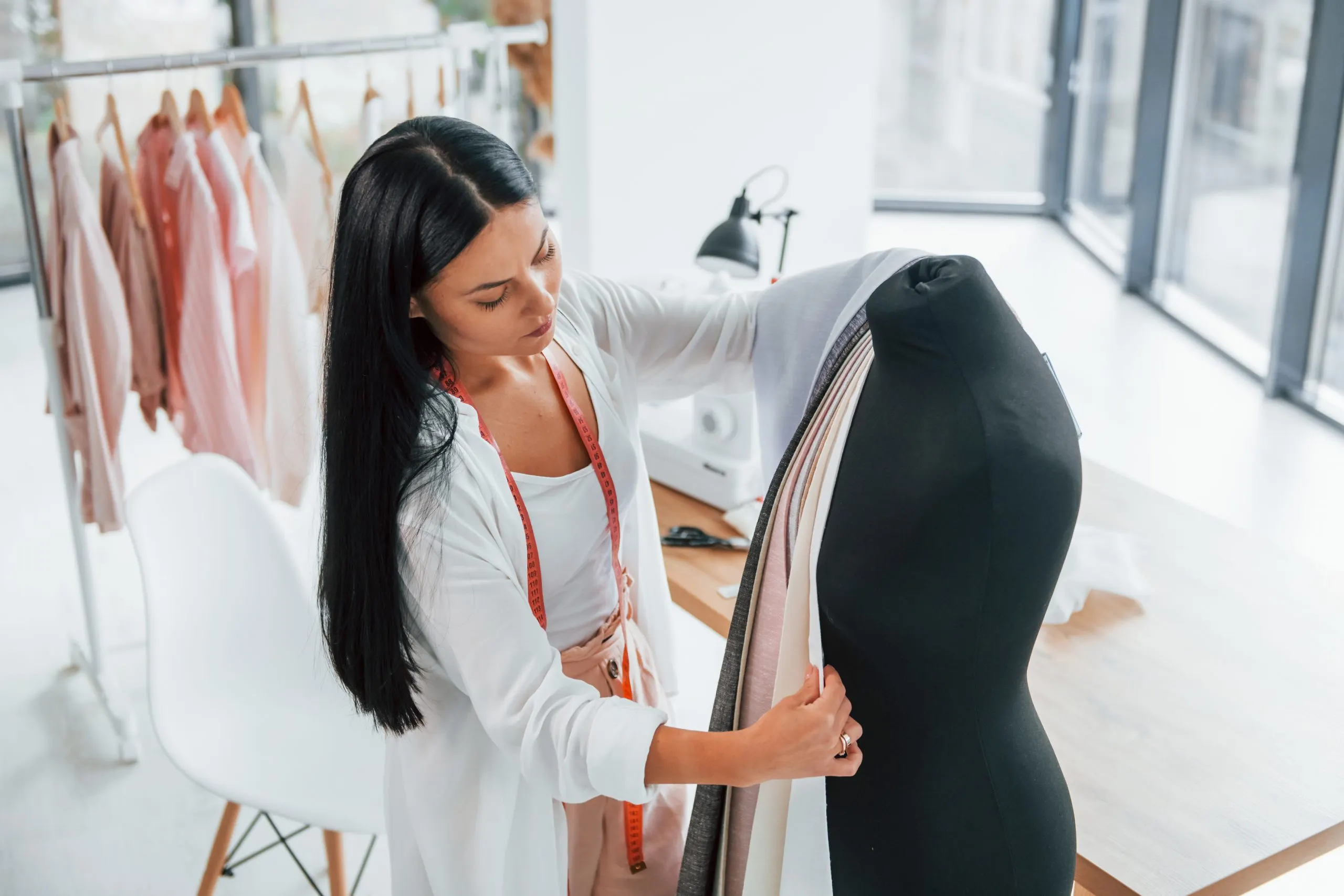
The shapewear market in Nigeria is gaining momentum as women increasingly embrace garments that enhance confidence, comfort, and style. Once a niche segment within intimate apparel, shapewear is now becoming part of everyday wardrobes, helping women feel poised and supported under casual and formal outfits. The Nigeria intimate wear market was valued at approximately USD 134.77 million earlier, with shapewear projected to grow fastest among product segments. Rising disposable incomes, urban lifestyles, and growing e-commerce adoption are making shapewear more accessible. Consumers are increasingly seeking products that combine comfort, style, and functionality, creating significant opportunities for both local designers and international brands aiming to cater to evolving preferences.
Why Nigerian Consumers are Embracing Shapewear?
Fashion Meets Body Confidence
Women are seeking shapewear that not only shapes but also feels comfortable throughout the day. Modern designs with seamless construction, breathable fabrics, and versatile styles are particularly popular, allowing consumers to wear shapewear under casual, work, or event outfits. The trend toward body positivity encourages brands to offer inclusive sizing and designs that flatter diverse body types.
Urban Access and Digital Convenience
Retail availability in urban hubs like Lagos, Abuja, and Port Harcourt is expanding through department stores, specialty boutiques, and online platforms. E-commerce provides convenience, privacy, and detailed size guidance, encouraging first-time buyers to try shapewear. With rising smartphone adoption, online shopping is driving growth and enabling brands to reach broader audiences.
Trends Driven by Social Media
Social media and fashion influencers are playing a crucial role in popularizing shapewear. Recommendations, tutorials, and celebrity endorsements educate consumers about benefits and styling options, turning shapewear into a lifestyle choice rather than just an occasional garment. As awareness grows, more women are integrating shapewear into their daily wardrobes.
Government Initiatives towards fashion adoption in Nigeria
While there are no shapewear-specific government programs, regulatory frameworks indirectly support the market by ensuring product quality and consumer safety. The Standards Organization of Nigeria (SON) enforces labeling and quality guidelines that help build consumer trust. Import regulations and trade policies also affect pricing and product availability, influencing how international and local brands position themselves. These measures contribute to a more stable market environment, helping businesses plan growth strategies while meeting consumer expectations for quality and safety.
Competitive Landscape of Nigeria’s Shapewear Industry
Nigeria’s shapewear market is composed of a mix of imported products and locally sourced garments. Leading brands often rely on imports from China, Bangladesh, and the USA, while emerging local designers focus on culturally resonant styles and inclusive sizing. Retailers leverage both physical stores and e-commerce to showcase products. Online platforms enhance accessibility, while social media campaigns and influencer collaborations help local brands compete with international labels. As awareness grows, competition is likely to intensify, driving innovation in fit, fabric, and design.
Market Challenges faced in the Nigeria’s Shapewear Industry
Consumer Education and Cultural Perceptions
Despite rising interest, many consumers are still unfamiliar with shapewear benefits or how to select the right fit. Traditional dress norms and cultural perceptions about body-shaping garments can limit adoption in certain regions. Brands need to focus on educating buyers about comfort, functionality, and sizing to encourage wider acceptance.
Pricing and Competitive Pressure
Price sensitivity remains a key barrier, with imported shapewear often priced beyond what many consumers are willing to pay. Competition from informal markets, alternative body-shaping solutions, and low-cost imports creates additional pressure. Brands must balance affordability with quality and functionality to capture market share and retain customer loyalty.
Future Outlook
The Nigeria shapewear market is poised for steady growth, in the upcoming years, as fashion trends, urban lifestyles, and digital access continue to evolve. Seamless, performance-oriented, and climate-appropriate designs are expected to gain prominence, particularly among younger, socially conscious consumers. E-commerce and social media will remain vital channels for consumer engagement and education. Demand for inclusive sizing, sustainable fabrics, and locally tailored designs will likely shape product development. With growing brand awareness and innovation, shapewear is set to transition from a niche category to a mainstream wardrobe essential, combining fashion, wellness, and self-expression.
Consultants at Nexdigm, in their latest publication “Nigeria Shapewear Market Outlook to 2035”, analyzed the market by Product Type (Tummy Shapers, Saree Shapewear, Waist Cinchers, Bodysuits, Thigh Shapers), By End User (Women, Men, Plus-Size Consumers), By Material Technology (Nylon, Latex & Spandex, Cotton Blend Breathable Fabrics, Recycled Materials).
Nexdigm believes that businesses in the Nigeria Shapewear Market should embrace consumer insights, digital innovation, and operational efficiency to stay ahead. By aligning products with evolving trends and lifestyle needs, companies can drive growth, build brand loyalty, and secure a strong position in a competitive market.
To take the next step, simply visit our Request a Consultation page and share your requirements with us.
Harsh Mittal
+91-8422857704