
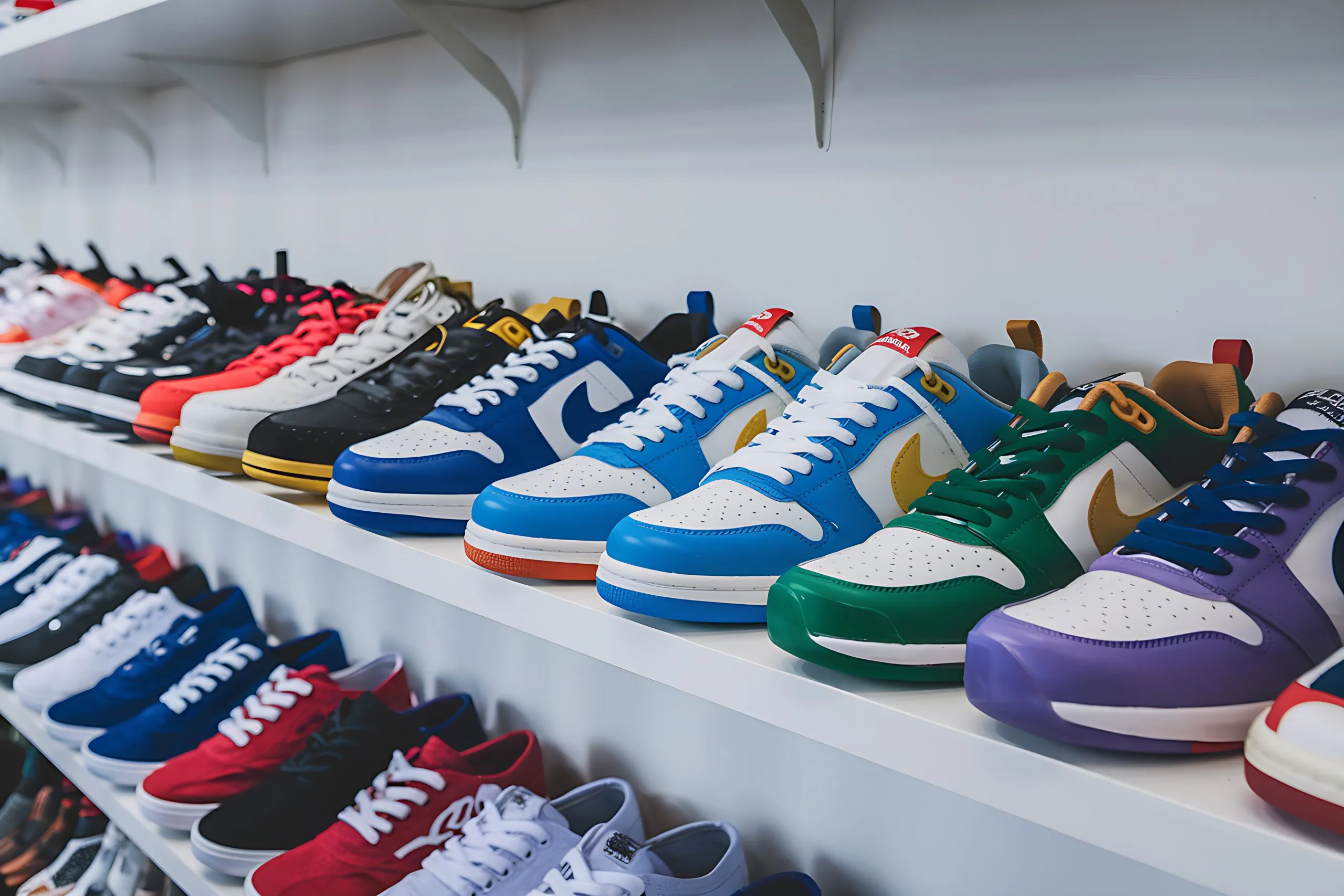
The Nigeria sports shoes market is emerging as a high-potential segment within the broader footwear industry, driven by a growing population and increasing urbanization. With the overall footwear market valued at around USD 2.4 billion and expected to grow steadily, sports shoes are among the fastest-growing categories. From everyday casual wear to fitness-focused usage, sports footwear is becoming an essential part of consumer lifestyles. As awareness around comfort, style, and wellness continues to rise, the market is gradually evolving, creating strong opportunities for both global brands and local players.
Key Growth Drivers Shaping the Nigeria Sports Shoes Market
Growing Youth Population and Urban Lifestyle Trends
Nigeria has one of the largest youth populations globally, which plays a crucial role in driving demand for sports shoes. Young consumers are highly influenced by global fashion trends, particularly sneaker culture, making sports footwear a popular choice for both casual and active wear. As urbanization accelerates, more consumers are exposed to international brands and modern retail environments, further boosting demand for stylish and functional sports shoes.
Rising Demand for Affordable and Functional Footwear
Comfort and durability have become key purchasing factors among Nigerian consumers, especially for daily use. Sports shoes offer versatility, making them suitable for both physical activities and everyday wear. The footwear market is projected to grow at a CAGR of approximately 5.89%, reflecting steady demand across different price segments. This has created opportunities for brands to introduce affordable yet durable products tailored to price-sensitive consumers.
Expansion of E Commerce and Import-Driven Supply
The Nigerian sports shoes market is largely import-driven, with countries like China accounting for a significant share of footwear imports. At the same time, the expansion of e-commerce platforms has improved product accessibility, allowing consumers to explore a wider range of brands and price points. Online retail is helping bridge gaps in physical distribution, particularly in underserved regions, and is becoming a key growth driver for the market.
Government Support Influencing the Nigeria Sports Shoes Market
The Nigerian government has been taking steps to promote local manufacturing and support the footwear industry through industrial development initiatives. Efforts to improve infrastructure and encourage small and medium enterprises (SMEs) are helping strengthen domestic production capabilities. Additionally, policies aimed at boosting e-commerce and digital adoption are enhancing market accessibility. While the market remains import-dependent, these initiatives are gradually creating a more supportive ecosystem for long-term growth.
Competitive Landscape of the Nigeria Sports Shoes Market
The Nigeria sports shoes market is highly fragmented, with a mix of global brands and informal/local players. International brands such as Nike, Adidas, and Puma are present, but their reach is largely limited to urban markets due to pricing constraints. At the same time, unbranded and locally sourced footwear dominates mass-market sales, catering to cost-conscious consumers. This dual structure creates both competition and opportunity for brands targeting different consumer segments.
Key Challenges Facing the Nigeria Sports Shoes Market
Heavy Dependence on Imports
One of the major challenges is the market’s reliance on imported products, which exposes it to currency fluctuations, import duties, and supply chain disruptions. This dependency can impact pricing and profitability, making it difficult for businesses to maintain consistency.
Price Sensitivity and Informal Market Competition
A large portion of Nigeria’s population remains highly price-sensitive, which limits the penetration of premium sports shoe brands. Additionally, the presence of informal markets offering low-cost alternatives creates intense competition for organized players.
Future Outlook
The future of the Nigeria sports shoes market looks promising, supported by demographic advantages and evolving consumer preferences. The industry is expected to continue expanding as the broader footwear market moves toward USD 4.0 billion in value, indicating strong growth potential. E-commerce will play a vital role in improving accessibility, while increasing urbanization and lifestyle changes will sustain demand for sports footwear. As local manufacturing capabilities improve and consumer awareness grows, the market is set to gradually shift toward more structured and branded offerings, unlocking long-term opportunities.
Consultants at Nexdigm, in their latest publication “Nigeria Sports Shoes Market Outlook to 2035,” analyze the sector By Product Type (Running Shoes, Training and Gym Shoes, Walking Shoes, Football Shoes, Basketball Shoes), By End User (Men, Women, Kids, Professional Athletes, Fitness Enthusiasts).
Nexdigm suggests that businesses should tap into the Nigeria sports shoes market by offering affordable and durable products tailored to price-sensitive consumers, while strengthening import sourcing strategies and expanding digital distribution channels to reach the country’s rapidly growing, youth-driven urban population.
To take the next step, simply visit our Request a Consultation page and share your requirements with us.
Harsh Mittal
+91-8422857704