
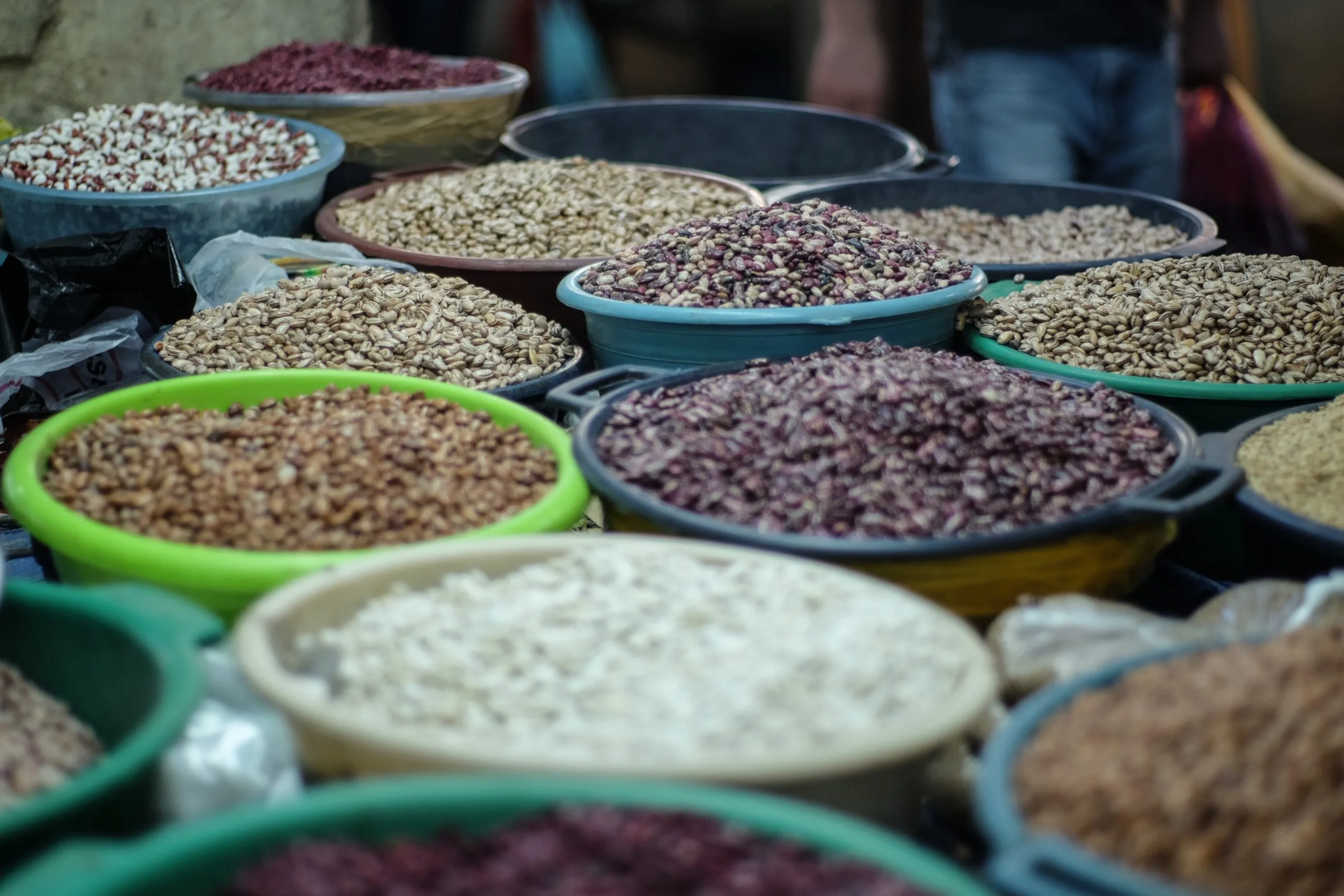
The Nigeria vegetable seed market is emerging as one of Africa’s most promising agricultural sectors, driven by rising food demand, increasing commercialization of farming, and growing adoption of improved seed varieties. Nigeria remains the largest vegetable seed market in Africa, accounting for approximately 60.9% of the continent’s vegetable seed industry. The country also produces more than 16 million tonnes of vegetables annually, creating substantial demand for quality seeds that can improve productivity and crop quality. As urban populations expand and consumer preferences evolve, farmers are increasingly turning to certified and hybrid seeds to enhance yields and profitability.
Key Growth Drivers in the Nigeria Vegetable Seed Market
Rising Adoption of Hybrid and Certified Seeds
One of the key growth drivers in the Nigeria vegetable seed market is the increasing adoption of hybrid and certified seed varieties. Commercial vegetable growers are recognizing the benefits of hybrid seeds, including higher yields, improved disease resistance, better crop uniformity, and enhanced market value. Hybrid tomato, onion, pepper, cabbage, cucumber, and watermelon seeds are gaining popularity, particularly among farmers focused on supplying urban markets and food processing industries. As awareness of the economic benefits of quality seeds increases, demand for improved seed varieties is expected to rise steadily.
Expansion of Dry-Season Irrigation and Commercial Farming
The growth of irrigation-based agriculture is creating significant opportunities for the Nigeria vegetable seed market. Regions such as Kano, Kaduna, Sokoto, Kebbi, and Plateau are expanding dry-season vegetable cultivation, enabling farmers to produce crops beyond the traditional growing season. Commercialization of smallholder farming is also encouraging greater investment in quality agricultural inputs. Farmers are increasingly viewing vegetable cultivation as a profitable business activity and are willing to invest in seeds that offer superior productivity and reliability.
Growing Urban Demand for Fresh Vegetables
Rapid urbanization is driving strong demand for fresh vegetables across Nigeria’s major cities, including Lagos, Abuja, and other growing metropolitan areas. Consumers are seeking year-round access to fresh produce, prompting farmers to increase production and improve crop quality. This trend is encouraging the use of advanced seed varieties that can support consistent harvests, better appearance, and enhanced shelf life. Expanding agro-dealer networks are also making improved seeds more accessible to farmers across rural and peri-urban regions.
Government Support Driving the Nigeria Vegetable Seed Market
Government efforts to formalize seed systems and improve agricultural productivity are supporting growth in the Nigeria vegetable seed market. Programs promoting certified seed adoption, irrigation development, farmer education, and agricultural modernization are helping improve access to high-quality planting materials. In addition, collaborations between public institutions, research organizations, and private seed companies are encouraging the development and distribution of improved vegetable varieties tailored to local growing conditions. These initiatives are expected to enhance food security and strengthen the agricultural value chain.
Competitive Landscape of the Nigeria Vegetable Seed Market
The Nigeria vegetable seed market is characterized by a mix of international seed companies, local breeders, agro-dealers, and regional distributors. Competition is primarily based on seed quality, yield performance, affordability, and distribution reach. Market participants are increasingly investing in farmer training programs, demonstration farms, and improved distribution networks to strengthen customer engagement. Companies offering climate-resilient and disease-resistant varieties are particularly well-positioned to capitalize on emerging market opportunities as demand for premium vegetable seeds continues to grow.
Key Challenges Facing the Nigeria Vegetable Seed Market
High Dependence on Traditional Seed Varieties
Despite increasing adoption of hybrid seeds, many farmers continue to rely on open-pollinated and traditional seed varieties due to their lower cost and familiarity. Limited access to financing and concerns about seed affordability can slow the transition toward premium varieties, especially among smallholder growers.
Counterfeit Seeds and Limited Extension Support
The presence of counterfeit seeds and inconsistent quality standards remains a challenge for the market. Additionally, limited agricultural extension services can reduce farmer awareness of the benefits of improved seed technologies. Addressing these issues will be critical for boosting confidence in certified seeds and supporting long-term market development.
Future Outlook
The future of the Nigeria vegetable seed market looks highly promising, with the sector projected to grow at approximately 9.4% CAGR and reach nearly USD 239 million in value over the coming years. Growing urban demand, expanding irrigation networks, and increasing adoption of hybrid seed technologies will continue to drive market expansion. Moreover, advancements in seed breeding, stronger agro-dealer networks, and continued government support for agricultural modernization are expected to create new opportunities for market participants. As farmers increasingly focus on productivity, climate resilience, and profitability, innovative vegetable seed solutions will play an essential role in transforming Nigeria’s agricultural landscape and strengthening food security.
Consultants at Nexdigm, in their latest publication “Nigeria Vegetable Seed Market Outlook to 2035,” analyze the sector By Crop Family (Tomato Seeds, Onion Seeds, Pepper and Chilli Seeds, Okra Seeds), By Distribution Channel (Direct-to-Farm Sales, Seed Companies and Regional Distributors, Agro-Dealers and Rural Input Retailers, Cooperatives and Farmer Groups, Development Programmes and NGO Channels).
Nexdigm suggests that businesses should invest in hybrid and climate-resilient vegetable seed development, strengthen agro-dealer partnerships, and support farmer education programs to capitalize on the growing demand for high-yield, quality vegetable production in the Nigeria vegetable seed market.
To take the next step, simply visit our Request a Consultation page and share your requirements with us.
Harsh Mittal
+91-8422857704