
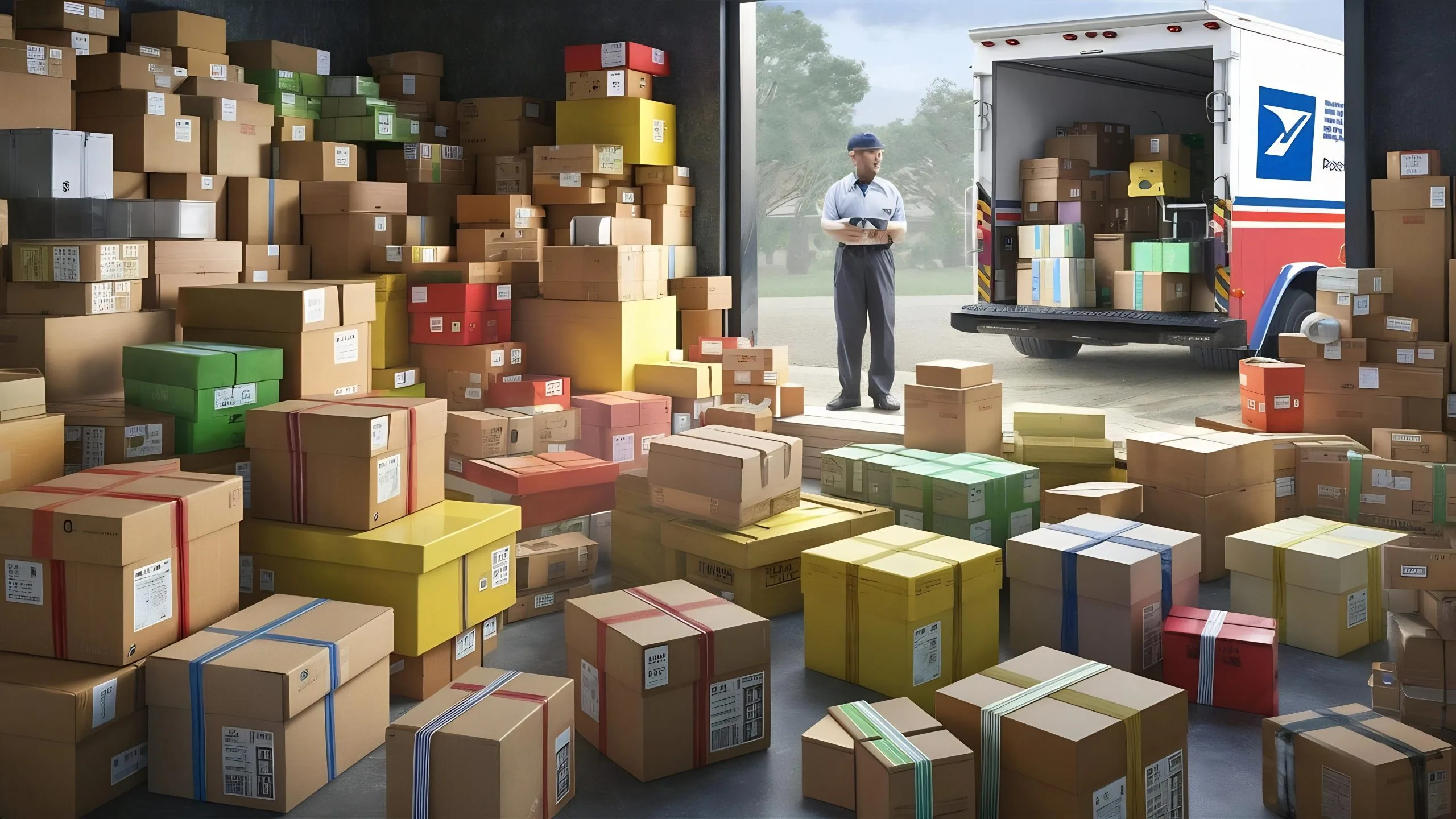
The Philippines 3PL Market is experiencing a significant growth, driven by the country’s expanding logistics infrastructure, booming e-commerce sector, and increasing demand for outsourcing logistics services. As businesses in the Philippines continue to focus on efficiency and cost reduction, third-party logistics (3PL) providers are playing a crucial role in offering integrated supply chain solutions. With the market expected to reach a value of approximately $17 billion in the upcoming years, the Philippines is becoming one of the most attractive regions for 3PL investments in Southeast Asia. This growth is further fueled by technological advancements and shifting business strategies.
Key Market Drivers of the Philippines 3PL Industry
E-Commerce Growth
The rapid growth of e-commerce in the Philippines is a key driver of the 3PL market. The country’s e-commerce sector is expected to reach $12 billion in the coming years, reflecting the increasing demand for efficient and scalable logistics solutions. With the rise of online shopping, businesses are outsourcing their logistics operations to 3PL providers who can offer end-to-end solutions like inventory management, order fulfilment, and last-mile delivery. As more consumers turn to online platforms, logistics companies are being challenged to meet expectations for faster, more reliable deliveries, thus expanding the 3PL market.
Infrastructure Development
The Philippine government’s focus on improving logistics infrastructure is another key factor driving the 3PL market. Recent investments in ports, airports, and road networks are improving connectivity, reducing transportation costs, and making the country more attractive for global supply chains. These infrastructure upgrades are enhancing the efficiency of 3PL providers, enabling them to better serve both domestic and international markets. The development of logistics hubs and warehouses throughout the country is also supporting the growth of the sector by facilitating better storage and distribution.
Globalization and Outsourcing
As businesses in the Philippines look to improve operational efficiency and reduce costs, outsourcing logistics functions to third-party providers is becoming increasingly common. The globalization of trade and increasing demand for streamlined supply chains are fueling the need for reliable 3PL providers. With expertise in transportation, warehousing, and distribution management, 3PL companies are well-positioned to support businesses that want to focus on their core competencies while relying on external providers to handle logistics functions.
Government Initiatives enhancing Philippines 3PL Market growth
The Philippine government is supporting the growth of the 3PL market through various initiatives aimed at enhancing the country’s logistics and transportation infrastructure. The Build program, for instance, aims to improve key infrastructure projects such as ports, roads, and airports, making logistics more efficient. The government is also focused on digitalization within the logistics sector, encouraging the use of technology to improve the speed and reliability of supply chains. These initiatives are helping to reduce bottlenecks and improve overall logistics performance.
Competitive Landscape of the Philippines 3PL Market
The competitive landscape of the Philippines 3PL market includes a mix of global and local players. Large multinational companies such as DHL, Kuehne plus Nagel, and UPS dominate the high-end logistics services, offering a wide range of solutions for international supply chains. Local players like 2GO and LBC Express are also significant in the market, focusing on domestic transportation and last-mile delivery services. As competition intensifies, companies are increasingly investing in technology-driven solutions to differentiate themselves in the market.
Major Challenges hindering the growth of 3PL Market of the Philippines
Last-Mile Delivery Issues
A major challenge in the Philippines’ 3PL market is the inefficiency of last-mile delivery. With congested roads, high traffic volumes, and limited infrastructure in remote areas, delivery times can be inconsistent. This poses a challenge for 3PL providers to meet consumer expectations for fast and reliable deliveries. Companies are exploring solutions such as localized distribution hubs and advanced tracking systems to address these issues, but it remains a significant hurdle.
Regulatory Hurdles
Another challenge is navigating the regulatory environment in the Philippines, which can be complex and time-consuming. Local and national regulations surrounding customs, taxation, and transportation can create barriers to smooth logistics operations. To mitigate these challenges, 3PL providers must stay updated on regulatory changes and adapt their operations accordingly, which requires additional resources and investment.
Future Outlook
Looking ahead to the future, the Philippines 3PL market is expected to see continuous growth, driven by the ongoing expansion of e-commerce, improvements in logistics infrastructure, and the increasing demand for outsourcing logistics services. As the market matures, 3PL providers will need to focus on integrating advanced technologies like automation, AI, and blockchain to improve efficiency and customer experience. Additionally, the rise of digital platforms and the increasing focus on sustainability in supply chains will shape the future of the market. The future of the Philippines’ 3PL market is bright, with ample opportunities for businesses that can adapt to these changes and leverage new technologies to drive success.
Consultants at Nexdigm, in their latest publication Philippines 3PL Market Outlook to 2035, analyze the sector by Fitment Type (Dedicated Contract type logistics, Integrated End to End Logistics Solutions, On demand logistics solutions, Asset light logistics models), by Platform Type (Road logistic platforms, Rail logistics platforms, Multi modal logistics platforms, Air Freight logistic platforms).
Nexdigm suggests that businesses should invest in strategic partnerships with local and international 3PL providers to ensure scalability and flexibility in meeting the growing demand for e-commerce and logistics services. Focusing on infrastructure development and sustainability will also help businesses stay competitive in the evolving Philippines 3PL market.
To take the next step, simply visit our Request a Consultation page and share your requirements with us.
Harsh Mittal
+91-8422857704