
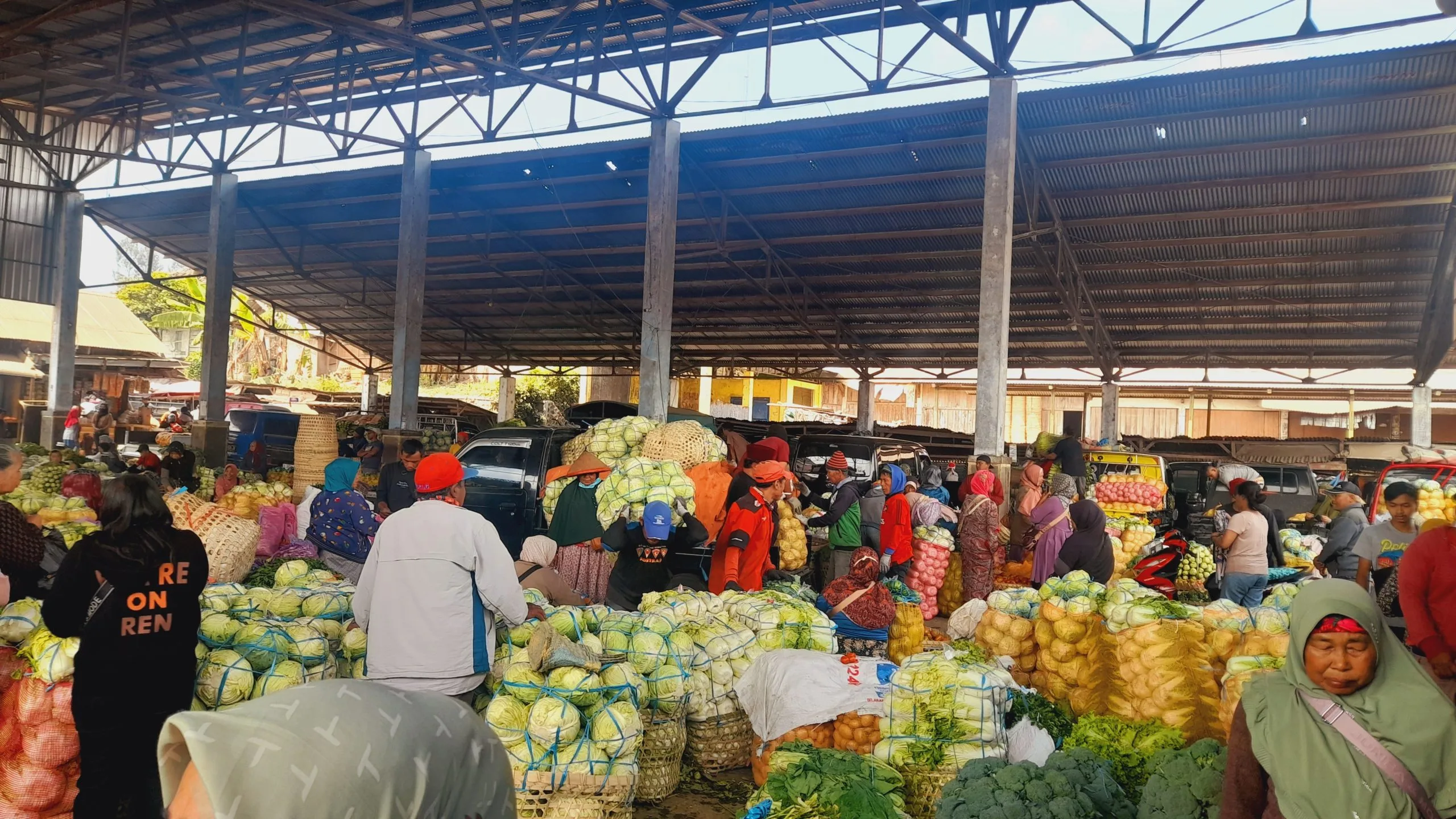
The Philippines Agriculture Inputs Market plays a vital role in supporting the country’s food production and agricultural sustainability. With more than 5 million hectares of agricultural land, farmers depend heavily on inputs such as fertilizers, seeds, and crop protection products to improve productivity and maintain crop health. Efficient use of agricultural inputs has helped increase crop yields by approximately 20–25%, especially in staple crops like rice and corn. As demand for food continues to rise, the importance of high-quality and efficient inputs is growing, encouraging farmers to adopt more structured and performance-driven farming practices.
Key Growth Drivers of Philippines Agriculture Inputs Market
Rising Demand for Food and Higher Agricultural Productivity
The increasing population in the Philippines is putting pressure on the agriculture sector to produce more food from limited resources. This has significantly driven the demand for fertilizers, improved seeds, and crop protection solutions. Fertilizers contribute to yield improvements of nearly 20–30%, making them a cornerstone of modern agriculture. Farmers are increasingly prioritizing productivity and consistency, especially for staple crops. Moreover, better input usage helps reduce post-harvest losses and enhances food security, which is a national priority.
Expansion of Modern and Commercial Farming Practices
There is a gradual shift toward modern farming techniques and commercial agriculture, which rely heavily on efficient input use. Farmers are adopting balanced nutrient management and advanced crop protection practices to improve yields and profitability. The use of improved seeds and targeted agrochemicals allows farmers to optimize production while managing costs effectively. Precision-based input use is also helping reduce waste by nearly 15–20%, making farming more sustainable and economically viable over time.
Growth in High Value Crops and Export Demand
The Philippines is witnessing increasing cultivation of high-value crops such as fruits, vegetables, and plantation crops. These crops require specialized inputs for pest management, nutrient supply, and quality enhancement. Agro-inputs play a crucial role in ensuring compliance with international export standards. As export-oriented agriculture expands, the demand for high-performance inputs is expected to rise further, supporting the overall growth of the market.
Government Support Strengthening Philippines Agriculture Inputs Market
The government of the Philippines supports the Philippines Agriculture Inputs Market through various initiatives aimed at improving productivity and sustainability. Programs promoting balanced fertilizer use and integrated pest management are helping farmers use inputs more efficiently. Subsidies and farmer training programs are also being implemented to increase awareness about proper input usage. These efforts aim to enhance crop output while minimizing environmental impact, ensuring long-term agricultural growth.
Competitive Landscape of Philippines Agriculture Inputs Market
The Philippines Agriculture Inputs Market is characterized by the presence of both multinational corporations and local players. Companies offer a wide range of products, including fertilizers, seeds, and crop protection solutions tailored to regional farming needs. Competition is driven by product innovation, pricing strategies, and strong distribution networks. Many companies are also focusing on farmer engagement through education and advisory services, helping build trust and long-term relationships in the market.
Market Challenges in Philippines Agriculture Inputs Market
Environmental Concerns and Sustainable Practices
One of the major challenges in the Philippines Agriculture Inputs Market is the growing concern over environmental sustainability. Excessive or improper use of agrochemicals can lead to soil degradation and water contamination. As awareness increases, there is greater pressure on farmers and companies to adopt eco-friendly alternatives and responsible application practices.
Limited Awareness and Accessibility for Small Farmers
Another challenge is the lack of awareness among smallholder farmers about efficient input usage. Improper application can reduce effectiveness and increase costs. In addition, access to high-quality inputs can be limited in remote areas, affecting overall productivity. Strengthening supply chains and education initiatives will be key to overcoming this barrier.
Future Outlook
The Philippines Agriculture Inputs Market is expected to witness steady growth as the agriculture sector continues to modernize. Increasing demand for food and better farming practices will drive the adoption of high-quality inputs across the country. Emerging trends such as bio-based fertilizers, precision agriculture, and sustainable crop protection solutions are likely to shape the future of the market. These innovations will help balance productivity with environmental responsibility. With continued government support and growing farmer awareness, the market is poised to evolve into a more efficient and sustainable ecosystem, ensuring long-term growth and resilience in Philippine agriculture.
Consultants at Nexdigm, in their latest publication “Philippines Agriculture Inputs Market report outlook to 2031,” analyze the sector By Input Type (Fertilizers, Crop Protection Chemicals, Seeds and Planting Materials, Agricultural Biologicals and Biofertilizers,
Farm Machinery and Equipment, Irrigation Inputs), By Fertilizer Type (NPK Consumption Pattern, Application Rate per Hectare, Nutrient Efficiency, Import Dependency, Blending Capacity).
Nexdigm suggests that businesses should prioritize the development and distribution of high-efficiency and sustainable agricultural inputs, while investing in farmer education, precision application techniques, and last-mile supply chain networks to improve accessibility and ensure optimal usage across the Philippines’ diverse farming communities.
To take the next step, simply visit our Request a Consultation page and share your requirements with us.
Harsh Mittal
+91-8422857704