
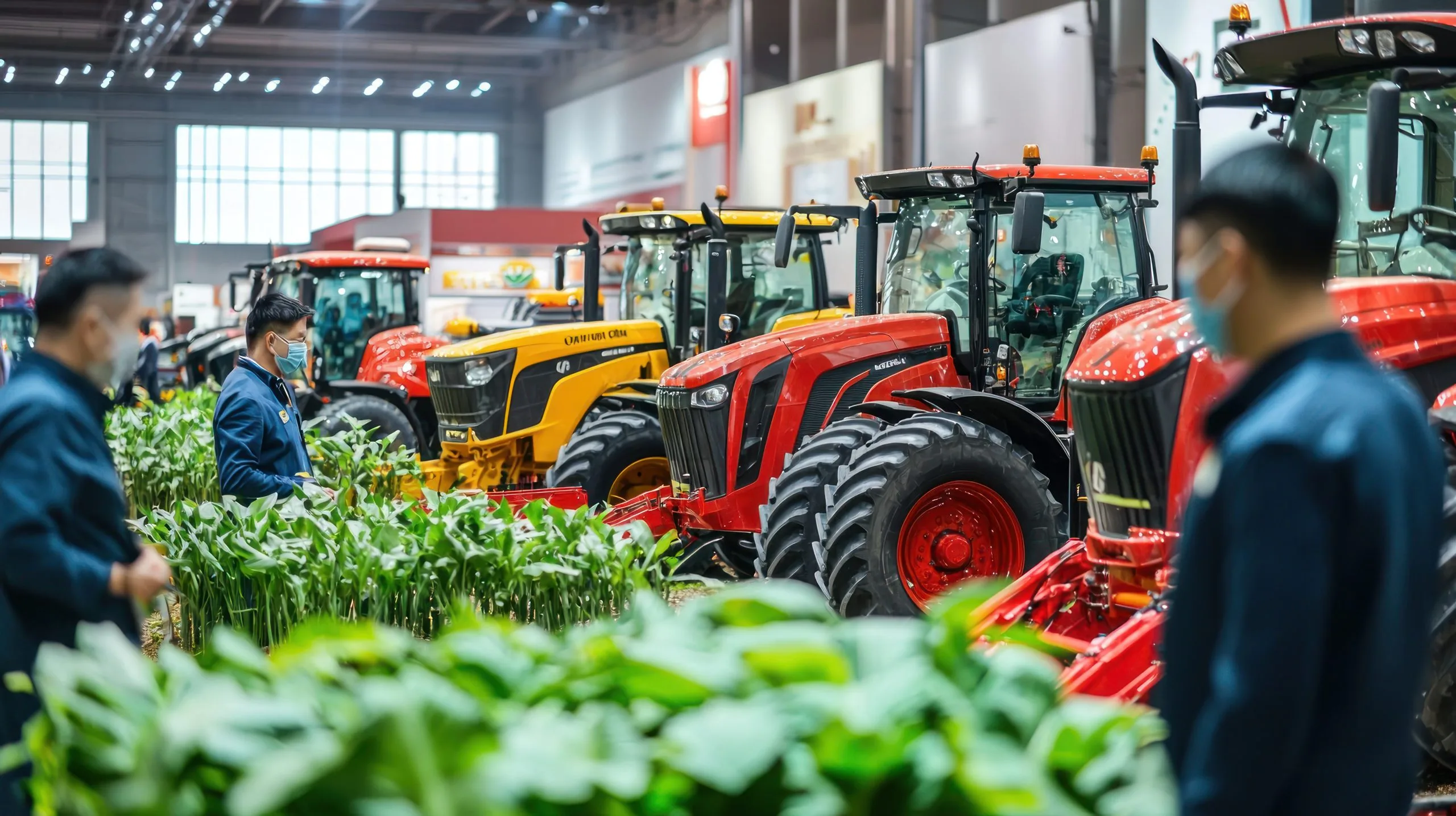
The Philippines Agriculture Machinery Market is steadily transforming as farmers shift from labor-intensive practices to mechanized farming. With over 5 million hectares of agricultural land, improving efficiency is critical to meeting growing food demand and ensuring sustainable production. Mechanization is helping enhance productivity by up to 20–30%, particularly in staple crops like rice and corn. Farm machinery such as tractors, harvesters, and irrigation equipment is enabling farmers to save time and reduce dependency on manual labor. As agriculture modernizes, machinery is becoming an essential investment for both smallholder and commercial farmers across the country.
Key Growth Drivers of Philippines Agriculture Machinery Market
Rising Need for Farm Mechanization
The demand for mechanization is growing as farmers seek to improve efficiency and reduce production costs. Traditional farming methods are no longer sufficient to meet increasing food demand, pushing adoption of modern equipment. Machinery such as tractors and combine harvesters can reduce fieldwork time by nearly 30–40%, while improving overall farm productivity. This shift is particularly important in rice production, where timely planting and harvesting directly impact yields. Farmers are increasingly recognizing that mechanization is not just about convenience but also about long-term profitability.
Labor Shortages Encouraging Automation
Agricultural labor shortages are becoming a pressing issue in rural areas, as younger populations migrate toward urban jobs. Farm machinery helps address this gap by reducing reliance on manual labor. Mechanization can lower labor costs by up to 35–40%, making it a viable solution for both small and medium-scale farmers. Equipment such as transplanters and threshers is simplifying operations and allowing farmers to manage larger areas with fewer workers. This trend is expected to continue as labor constraints intensify.
Increasing Adoption of Modern and Smart Equipment
The integration of advanced technologies into agricultural machinery is further driving market growth. Smart tractors, GPS-enabled systems, and automated irrigation solutions are becoming more accessible. These technologies not only improve efficiency but also help farmers optimize resource usage, reducing input waste by nearly 15–20%. As awareness grows, the demand for technologically advanced machinery is expected to rise significantly, especially among progressive farming communities.
Government Support Strengthening Philippines Agriculture Machinery Market
The Philippine government is actively promoting farm mechanization through subsidy programs and financial support initiatives. These programs aim to make machinery more accessible to smallholder farmers and cooperatives. Training programs and technical assistance are also being provided to ensure proper use and maintenance of equipment. By encouraging mechanization, the government is working toward improving agricultural productivity, reducing post-harvest losses, and enhancing overall farm efficiency.
Competitive Landscape of Philippines Agriculture Machinery Market
The Philippines Agriculture Machinery Market features a mix of international manufacturers and local distributors. Global brands dominate the high-end machinery segment, while local players focus on affordable and region-specific solutions. Competition is driven by product quality, pricing, and after-sales services. Companies are also expanding dealer networks and offering financing options to reach a larger customer base. Innovation and customer support remain key differentiators in this competitive environment.
Market Challenges in Philippines Agriculture Machinery Market
High Initial Investment Costs
One of the major challenges in the Philippines Agriculture Machinery Market is the high upfront cost of equipment. Smallholder farmers often struggle to afford advanced machinery without financial assistance. Although financing options are improving, affordability remains a barrier, especially in remote regions. This can slow down the adoption of mechanization across the country.
Fragmented Land Holdings and Accessibility Issues
Agricultural land in the Philippines is often fragmented, making it difficult to use large-scale machinery efficiently. Smaller farm sizes limit the practicality of certain equipment types. Additionally, limited infrastructure and access to maintenance services can further hinder machinery adoption, particularly in rural areas.
Future Outlook
The Philippines Agriculture Machinery Market is expected to witness steady growth as mechanization becomes increasingly essential for agricultural development. Rising demand for food, coupled with labor shortages, will continue to drive the adoption of farm equipment. Emerging trends such as smart farming technologies and automated machinery will further enhance efficiency and productivity. With ongoing government support and increasing private sector investment, mechanization is likely to become more accessible and widespread. In the long run, the market will play a crucial role in modernizing Philippine agriculture, improving farmer livelihoods, and ensuring sustainable food production for the growing population.
Consultants at Nexdigm, in their latest publication “Philippines Agriculture Machinery Market outlook to 2035,” analyze the sector By Machinery Type (Tractors, Rice Transplanters, Combine Harvesters, Power Tillers, Irrigation Machinery, Crop Sprayers, Seed Drills and Planters, Threshers), By Power Output Category (Below 30 HP, 31–50 HP, 51–100 HP, Above 100 HP).
Nexdigm suggests that businesses should invest in affordable and scalable farm mechanization solutions, strengthen distribution and after-sales service networks, and leverage financing models to improve accessibility, enabling wider adoption of agricultural machinery across smallholder farms in the Philippines.
To take the next step, simply visit our Request a Consultation page and share your requirements with us.
Harsh Mittal
+91-8422857704