
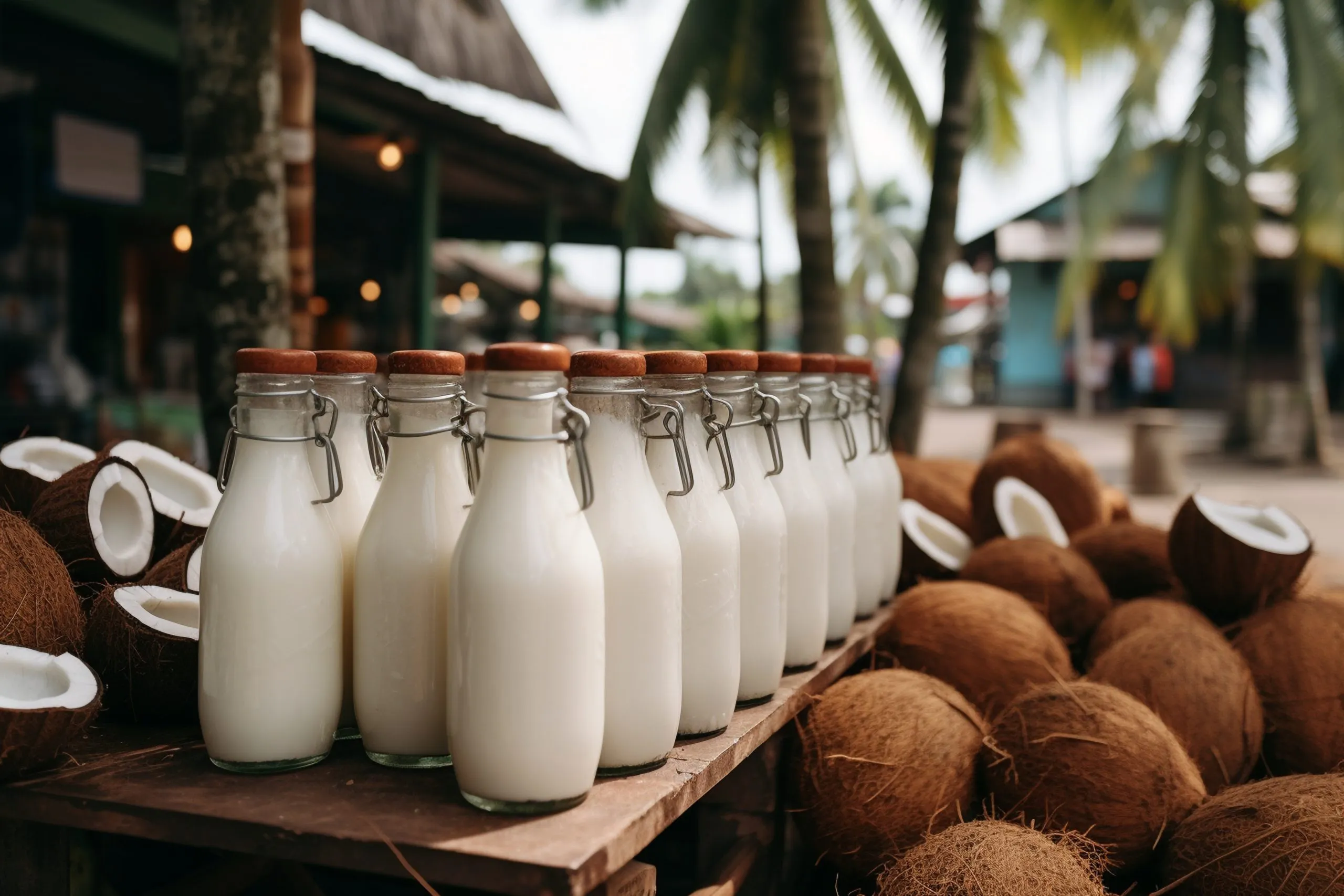
The Philippines Almond Milk Market is experiencing strong growth as consumers increasingly embrace healthier lifestyles and plant-based nutrition. The market was valued at approximately USD 257 million and is projected to reach nearly USD 697 million, expanding at a CAGR of around 11.7%. Rising awareness of lactose intolerance, growing interest in vegan diets, and demand for low-calorie beverage alternatives are encouraging consumers to switch from traditional dairy products to almond milk. Furthermore, the increasing availability of almond milk across supermarkets, cafés, and online platforms is making it easier for Filipino consumers to incorporate plant-based beverages into their daily routines.
Key Growth Drivers Powering the Philippines Almond Milk Market
Rising Health Awareness and Lactose Intolerance Concerns
Health consciousness is one of the most significant drivers of the Philippines Almond Milk Market. Consumers are becoming increasingly aware of the connection between nutrition and overall wellness, prompting them to seek healthier beverage options. Almond milk is gaining popularity because it is naturally lactose-free, low in calories, and cholesterol-free. A major factor supporting demand is the high prevalence of lactose intolerance, which affects approximately 75% of Filipinos. As a result, many consumers are turning to almond milk as a digestible and nutritious alternative to traditional dairy products. This shift is particularly noticeable among urban consumers seeking healthier dietary habits and weight-management solutions.
Expanding Vegan and Plant-Based Lifestyle Adoption
The growing acceptance of plant-based diets is contributing significantly to the expansion of the Philippines Almond Milk Market. Consumers are becoming more conscious of environmental sustainability, animal welfare, and the long-term health benefits associated with plant-based foods. The country’s vegan community has reportedly grown by approximately 35% over recent years, creating a larger consumer base for dairy alternatives such as almond milk. Younger demographics, particularly Millennials and Gen Z consumers, are increasingly incorporating almond milk into coffee, smoothies, cereals, and meal preparations. This shift is helping almond milk transition from a niche wellness product to a mainstream beverage category.
Café Culture and E-Commerce Expansion Driving Accessibility
The rapid growth of specialty coffee shops and cafés across Metro Manila and other urban centers is creating new opportunities for almond milk consumption. Many cafés now offer almond milk as a premium dairy alternative for espresso-based beverages, increasing product visibility and encouraging first-time trial among consumers. At the same time, e-commerce platforms and modern retail channels are making almond milk more accessible nationwide. Online grocery platforms, supermarkets, and convenience stores are expanding product availability across Luzon, Visayas, and Mindanao, helping consumers discover a wider variety of almond milk products and brands.
Government and Nutrition Initiatives Supporting the Philippines Almond Milk Market
Government efforts focused on improving nutrition and encouraging balanced diets are indirectly supporting the Philippines Almond Milk Market. Nutrition programs aimed at addressing dietary deficiencies and promoting healthier food choices have increased consumer awareness regarding fortified beverages and alternative nutritional sources. In addition, initiatives promoting plant-based food consumption and sustainability are creating a favorable environment for dairy alternatives. These developments are encouraging manufacturers to expand their portfolios with fortified, nutrient-rich almond milk products that align with evolving consumer preferences.
Competitive Landscape of the Philippines Almond Milk Market
The Philippines Almond Milk Market is becoming increasingly competitive, with international and regional brands competing through product innovation, nutritional fortification, and expanded distribution networks. Major players include Almond Breeze, Califia Farms, Nestlé, Glico, Vitasoy, and The Hain Celestial Group. Companies are focusing on organic products, fortified formulations, clean-label ingredients, and innovative packaging to attract health-conscious consumers. Strategic partnerships with retailers, cafés, and e-commerce platforms are also helping brands strengthen their presence across the country.
Key Challenges Facing the Philippines Almond Milk Market
Premium Pricing and Affordability Concerns
One of the primary challenges facing the Philippines Almond Milk Market is the higher cost of almond milk compared to conventional dairy products. Since many almond milk products rely on imported ingredients and premium processing techniques, retail prices can be significantly higher. This pricing gap may limit adoption among budget-conscious consumers, especially outside major urban centers. Manufacturers must balance affordability with product quality to achieve broader market penetration.
Dependence on Imported Raw Materials
The market also faces challenges related to raw material sourcing and supply chain stability. Dependence on imported almonds can expose manufacturers and distributors to fluctuations in international commodity prices, logistics costs, and supply disruptions. Strengthening supply chain resilience and improving inventory management will be essential for maintaining consistent product availability and competitive pricing.
Future Outlook
The future of the Philippines Almond Milk Market looks highly promising, with demand expected to continue growing as consumers prioritize health, wellness, and plant-based nutrition. Market value is forecast to nearly triple from current levels, supported by increasing urbanization, expanding middle-class incomes, and continued growth in vegan and flexitarian lifestyles. Emerging trends such as fortified almond milk, functional beverages, organic offerings, and café-driven consumption are expected to create additional opportunities for manufacturers. As awareness of lactose intolerance and sustainable food choices continues to rise, almond milk is well-positioned to become one of the fastest-growing dairy alternatives in the Philippines.
Consultants at Nexdigm, in their latest publication “Philippines Almond Milk Market Outlook to 2035,” analyze the sector By Product Type (Unsweetened Almond Milk, Sweetened Almond Milk, Flavored Almond Milk, Organic Almond Milk), By Packaging Type (Cartons, Bottles, Tetra Packs, Single-Serve Packs).
Nexdigm suggests that companies should focus on affordable innovation, stronger retail and café partnerships, enhanced consumer education, and expanded e-commerce distribution to capitalize on the long-term growth opportunities within the Philippines Almond Milk Market.
To take the next step, simply visit our Request a Consultation page and share your requirements with us.
Harsh Mittal
+91-8422857704