
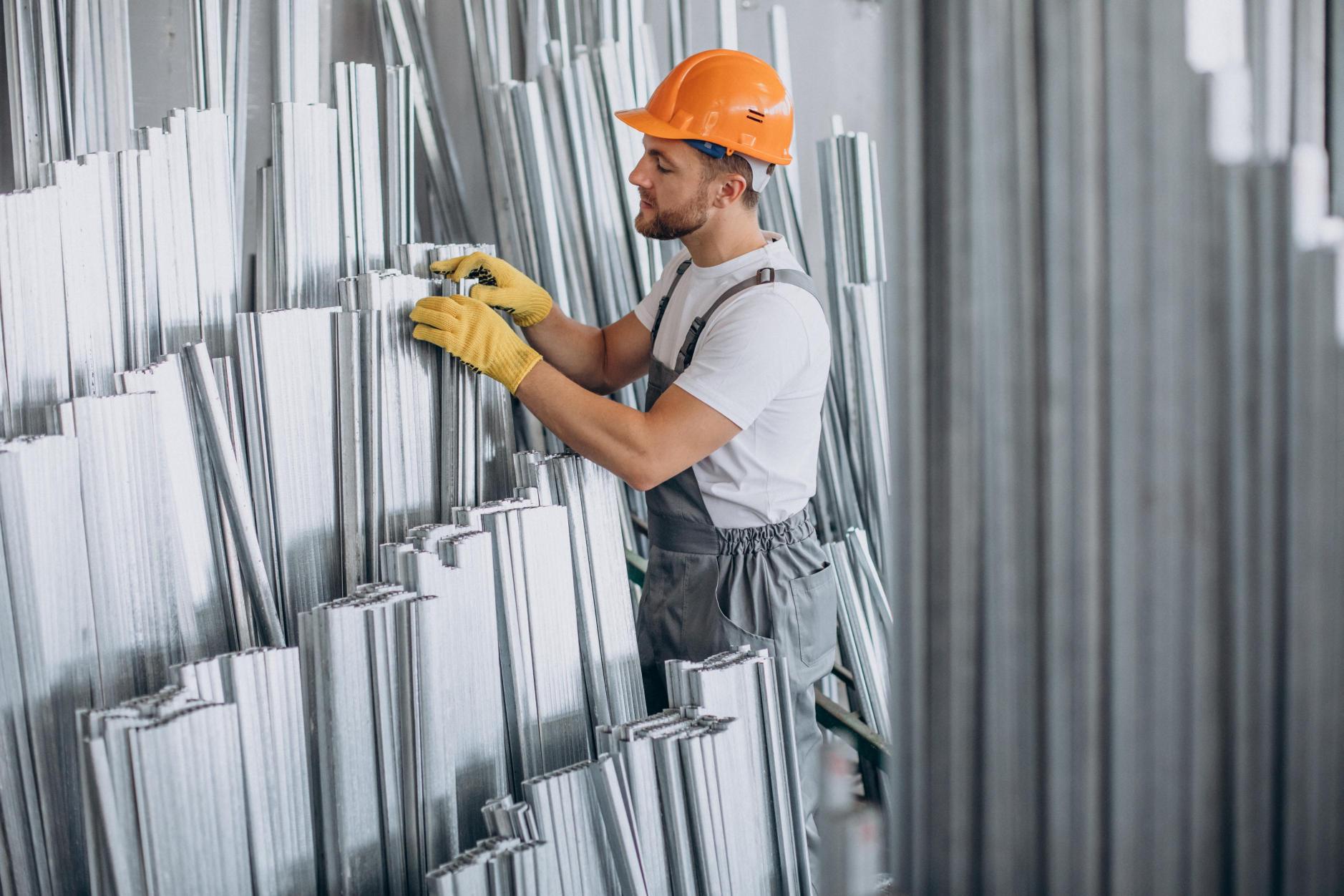
The Philippines Aluminum Composite Panels (ACP) market is experiencing steady growth, supported by rapid urbanization, expanding commercial construction activities, and rising investments in modern infrastructure. ACPs are widely preferred for exterior cladding, facades, signage, and interior decoration due to their lightweight properties, durability, and aesthetic appeal. With the Philippine construction industry contributing significantly to national economic development and Metro Manila remaining the country’s largest construction hub, demand for advanced building materials such as ACP continues to rise. Growing adoption of energy-efficient and visually appealing building designs is further strengthening market expansion across residential, commercial, and institutional projects.
Market Drivers Supporting Philippines Aluminum Composite Panels Industry
Rising Construction and Urban Development Projects
The Philippines continues to witness strong construction activity driven by urban expansion and increasing demand for commercial and residential spaces. Metro Manila, Cebu, Davao, and emerging urban centers are experiencing substantial investments in office buildings, shopping complexes, mixed-use developments, and high-rise residential projects. The construction sector contributes more than 6% to the country’s GDP, creating sustained demand for high-performance facade materials such as aluminum composite panels. ACPs are increasingly preferred because they offer superior design flexibility, weather resistance, and lower maintenance costs.
Growing Demand for Modern Architectural Facades
Architects and developers are increasingly adopting ACP solutions to achieve contemporary building designs. The material’s lightweight structure reduces overall building load while providing enhanced visual appeal. Large commercial projects, airports, hotels, hospitals, and educational institutions are integrating ACPs into their designs to meet both functional and aesthetic requirements. As sustainable construction practices gain traction, ACPs that offer improved energy efficiency and thermal insulation are becoming more attractive to developers.
Expanding Signage and Retail Infrastructure Applications
Beyond construction, ACPs are extensively used in advertising signage, retail storefronts, transportation facilities, and corporate branding applications. The Philippines’ rapidly growing retail sector and increasing investments in malls, convenience stores, and commercial establishments are contributing to higher ACP consumption. The expansion of tourism-related infrastructure, including hotels and entertainment facilities, is creating additional opportunities for manufacturers and distributors operating in the ACP market.
Government Initiatives Supporting Philippines Aluminum Composite Panels Sector
The Philippine government’s infrastructure modernization efforts continue to support the construction materials industry. Programs focused on transportation networks, airport upgrades, urban redevelopment, and public infrastructure development are generating demand for advanced building products. Investments under national infrastructure initiatives, combined with policies encouraging foreign direct investment and real estate development, are expected to create favorable conditions for ACP adoption. Sustainable building standards and energy-efficiency initiatives further encourage the use of innovative facade solutions across public and private sector projects.
Competitive Landscape of Philippines Aluminum Composite Panels Industry
The Philippines ACP market is moderately fragmented with the presence of international manufacturers, regional suppliers, and local distributors. Imported products from China, South Korea, and Japan dominate the market due to established supply chains and broad product portfolios. Competition is largely based on product quality, fire resistance, durability, design options, and pricing. Market participants are also focusing on customized facade solutions, faster delivery capabilities, and technical support services to strengthen their market position.
Challenges Affecting Philippines Aluminum Composite Panels Industry
Dependence on Imports
A significant portion of ACP products used in the Philippines is imported, making the market vulnerable to fluctuations in international aluminum prices, shipping costs, and global supply chain disruptions. Currency exchange volatility can also impact product affordability and project budgets.
Regulatory and Fire Safety Concerns
Increasing emphasis on building safety and fire-resistant construction materials has intensified compliance requirements for ACP manufacturers and suppliers. Companies must continuously invest in product certification, quality assurance, and compliance with evolving building regulations, which can increase operational costs.
Future Outlook
The future of Philippines Aluminum Composite Panels Industry is expected to maintain positive growth through 2035, supported by continued urbanization, infrastructure expansion, and increasing adoption of modern architectural designs. Rising investments in commercial real estate, hospitality developments, transportation infrastructure, and mixed-use projects will create sustained demand for ACP products. Additionally, growing awareness of sustainable construction practices is likely to accelerate the adoption of energy-efficient and fire-resistant ACP solutions. Technological advancements, product innovation, and expanding distribution networks are expected to further enhance market opportunities, making aluminum composite panels a critical component of the country’s evolving construction landscape.
Consultants at Nexdigm, in their latest publication “Philippines Aluminum Composite Panels Market Outlook to 2035 ,” analyze the sector By Product Form (Market Definition and Scope, Philippines Aluminum Composite Panels Market Classification, Market Sizing Approach, Top-Down Analysis, Bottom-Up Analysis, Demand-Side Assessment, Supply-Side Assessment, Primary Industry Interviews).
Nexdigm suggests that businesses in the Philippines Aluminum Composite Panels Industry focus on expanding innovative, durable, and fire-resistant panel solutions to meet evolving construction requirements. Rapid urbanization, infrastructure development programs, and increasing demand for modern architectural façades are expected to create substantial growth opportunities for manufacturers and suppliers.
To take the next step, simply visit our Request a Consultation page and share your requirements with us.
Harsh Mittal
+91-8422857704