
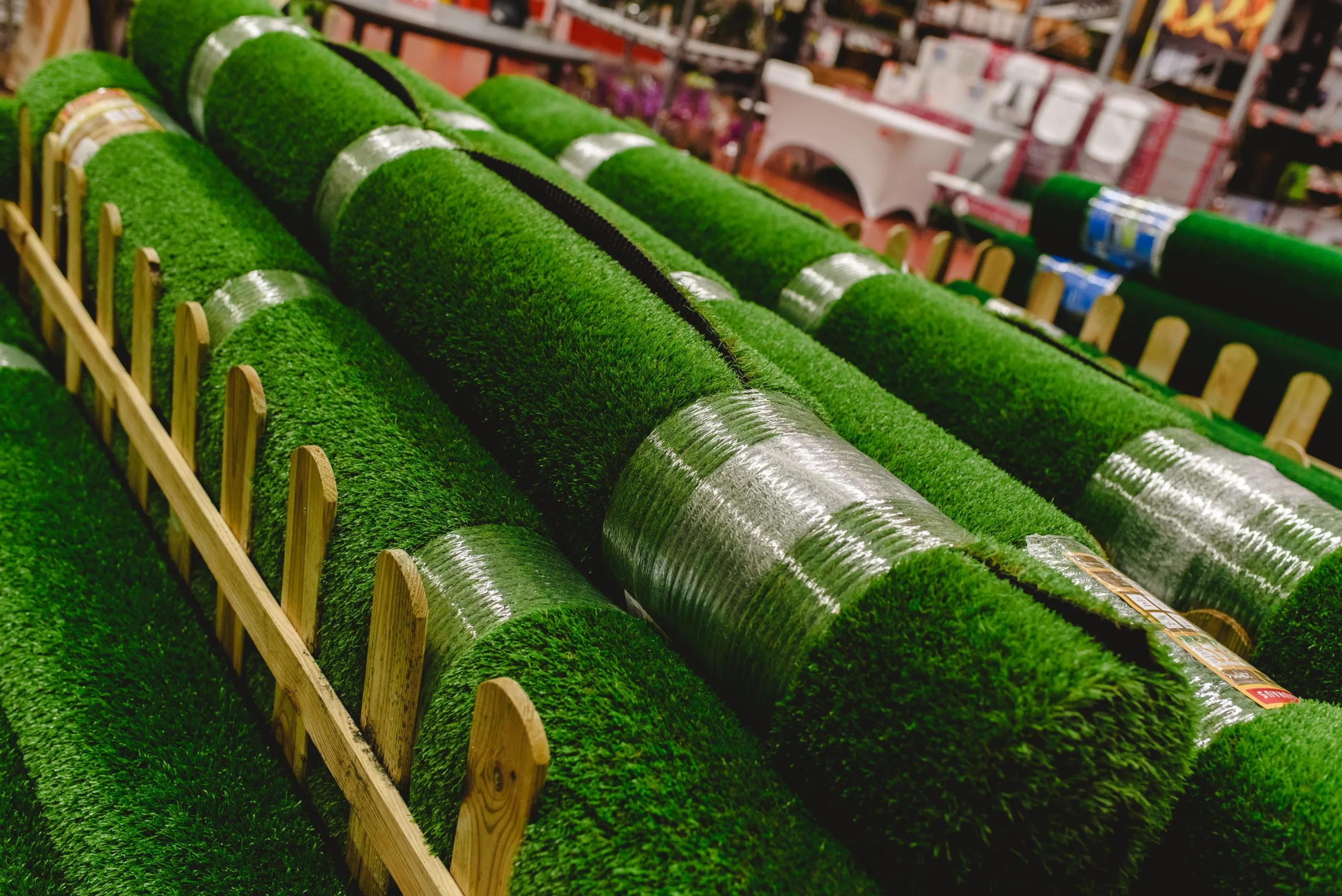
The Philippines artificial turf market is expected to grow steadily, as schools, sports facilities, residential communities, commercial spaces and public recreation areas look for practical surface solutions. Artificial turf is becoming more relevant because it offers a neat, durable and low-maintenance alternative to natural grass. In many urban areas, maintaining natural lawns can be difficult due to heavy rainfall, limited space, high foot traffic and recurring upkeep needs. With the global artificial turf market valued at projected to reach US$13.67 billion in the coming years, the Philippines is likely to benefit from the wider shift toward synthetic sports and landscaping surfaces. As awareness improves, artificial turf is expected to move beyond premium projects and become more common in everyday recreational and property developments.
Key Growth Drivers Shaping the Philippines Artificial Turf Market
Sports Facilities and School Grounds Creating Strong Demand
Sports infrastructure is one of the strongest growth drivers for the Philippines artificial turf market. Football fields, futsal courts, school playgrounds, training centers and multipurpose recreation areas need surfaces that can handle regular use without quickly becoming muddy, uneven or damaged. Artificial turf helps solve this problem by offering a more consistent surface that can support longer playing hours and frequent activities. It is especially useful for schools and community facilities where one space may be used for sports, events and daily recreation.
Urban Development and Compact Landscaping Supporting Adoption
Urban development across Metro Manila, Cebu, Davao and other growing cities is creating new opportunities for artificial turf in residential and commercial landscaping. Condominiums, hotels, malls, offices, schools and mixed-use developments often need green-looking areas in spaces where natural grass may not be practical. Artificial turf is increasingly being used in rooftops, balconies, terraces, courtyards, children’s play areas, pet zones and poolside spaces. These areas need surfaces that look clean and remain usable with limited day-to-day care.
Wet Climate Conditions Increasing Need for Durable Surfaces
The Philippines has a tropical climate with high humidity and frequent rainfall in many regions. These conditions can make natural grass difficult to maintain, especially in spaces with poor drainage or heavy use. Natural lawns can quickly become muddy, patchy or uneven after repeated rainfall, affecting both appearance and safety. Artificial turf systems with proper base preparation and drainage layers can help keep surfaces usable for longer periods during wet seasons. This makes synthetic turf suitable for sports fields, playgrounds, residential lawns, commercial recreation zones and school facilities.
Public Infrastructure and Policy Support for the Philippines Artificial Turf Market
Government focus on sports participation, education, public recreation and infrastructure development is expected to support long-term opportunities for artificial turf in the Philippines. Investments in schools, parks, community sports facilities and local recreation areas can create demand for durable and easy-to-maintain surfaces. Programmes that encourage youth sports, healthier lifestyles and safer public spaces may also indirectly support adoption. While artificial turf may not always be a direct policy priority, broader improvements in public infrastructure can create favourable conditions for market growth. Local government units and private partners may also consider synthetic turf where maintenance efficiency and year-round usability are important.
Competitive Landscape of the Philippines Artificial Turf Market
The Philippines artificial turf market includes local installers, landscaping firms, sports-surface contractors, importers and international turf suppliers. Competition is shaped by product quality, drainage performance, installation expertise, pricing, warranties and after-sales support. Sports buyers usually focus on surface safety, durability and suitability for football, futsal or multipurpose use. Residential and commercial customers are more likely to prioritise softness, appearance, UV resistance and ease of maintenance. Companies that can provide complete services, from site inspection and ground preparation to installation and maintenance, are likely to gain stronger customer trust. As the market matures, reliable execution and proven project experience will become more important differentiators.
Challenges Affecting the Philippines Artificial Turf Market
High Installation and Site Preparation Costs
One of the main challenges in the Philippines artificial turf market is the upfront cost of installation. A full project may include land preparation, drainage work, base construction, turf supply, infill and skilled labour. These costs can be difficult for schools, small sports clubs, homeowners and local government projects with limited budgets. Although artificial turf may reduce long-term maintenance expenses, many buyers still focus on the initial price. Suppliers may need to explain lifecycle savings more clearly and offer flexible product options to support wider adoption.
Heat Build-Up and Environmental Concerns
Artificial turf can become hot under direct sunlight, which may affect comfort in outdoor play areas, rooftops and sports facilities. This is relevant in the Philippines, where warm and humid conditions can make surface comfort an important buying factor. Environmental concerns are also becoming more important, especially around plastic waste, infill materials, microplastics and end-of-life disposal. These issues may influence procurement decisions for schools, public projects and sustainability-focused developers. Suppliers will need to promote safer infill options, recyclable materials, better cooling performance and responsible disposal practices.
Future Outlook
In the coming years, the Philippines artificial turf market is expected to become more established across sports, residential, commercial and public infrastructure applications. Demand is likely to be strongest in schools, futsal courts, football grounds, playgrounds, condominiums, hotels and commercial landscaping projects. Growth will be supported by urbanization, rising interest in sports, wet-weather usability, and demand for low-maintenance green spaces. At the same time, buyers will expect products that are durable, comfortable, affordable, and environmentally responsible. Future adoption will depend on better drainage systems, improved cooling performance, recyclable materials and strong installation quality. As more users recognize its practical benefits, artificial turf is likely to become a more widely accepted surface solution in the Philippines.
Consultants at Nexdigm, in their latest publication “Philippines Artificial Turf Market Outlook to 2035,” analyze the sector By Product Type (Sports Turf, Landscape Turf, Others), By Material Type (Nylon, Polyethylene, Others), by End user Segment (Sports Facility Users, Commercial Developers, residential Builders, Real Estate Developers, Government and Municipalities).
Nexdigm suggests that businesses should capitalize on Philippines’ strong sports culture and increasing urbanization by investing in durable and eco-friendly turf solutions, expanding partnerships in sports infrastructure projects, and targeting urban landscaping applications to effectively capture emerging opportunities in the artificial turf market.
To take the next step, simply visit our Request a Consultation page and share your requirements with us.
Harsh Mittal
+91-8422857704