
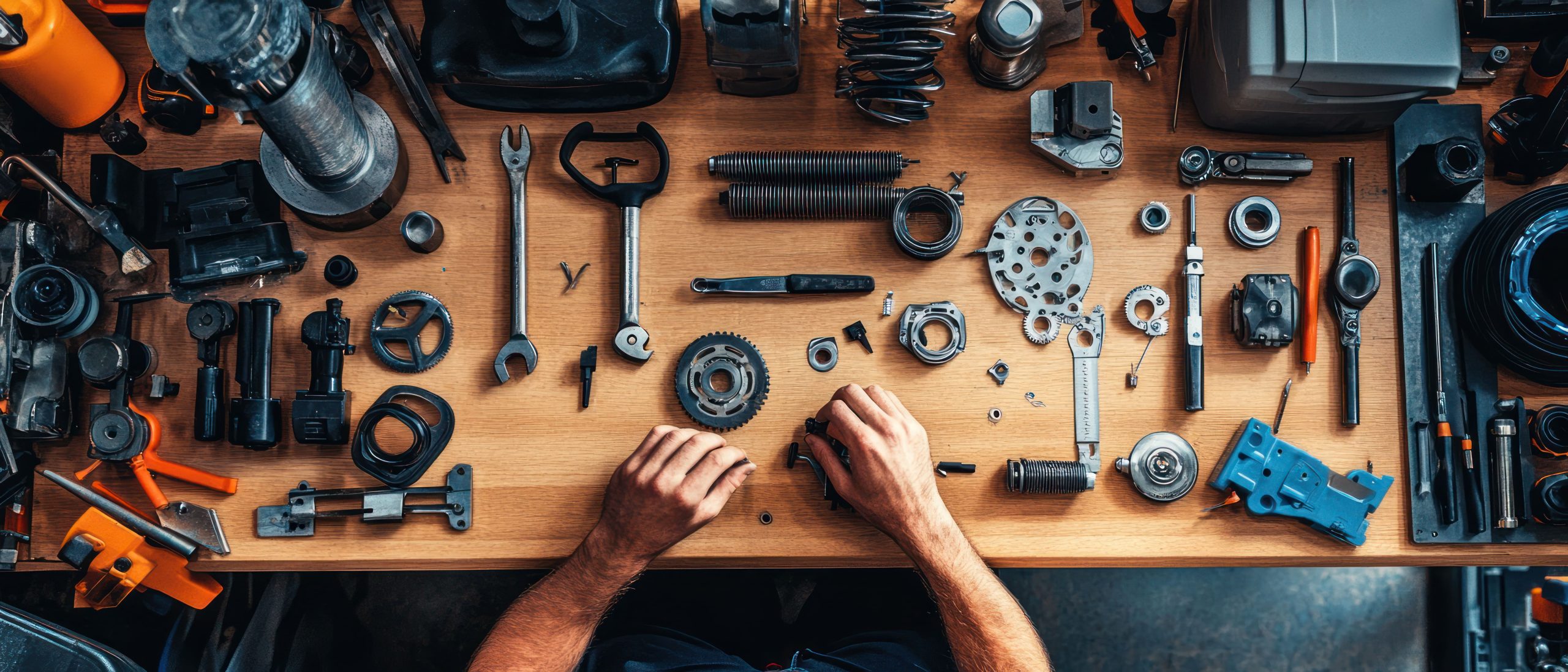
The Philippines automotive hand tools market is quietly becoming more important than it looks on the surface. While vehicle sales usually get the headlines, the tools used to keep those vehicles running tell a more practical story. Every new car, delivery van, motorcycle, or fleet unit sold eventually turns into service demand – brake jobs, suspension repairs, oil changes, diagnostics, tire rotation, and electrical fixes. That routine work keeps garages busy, and garages run on dependable hand tools. In the Philippines, where vehicle ownership has widened across both urban and provincial markets, demand for workshop essentials such as ratchets, sockets, pliers, torque wrenches, screwdrivers, and specialty kits is building steadily. Most of these tools still come from imports, especially the professional-grade products preferred by organized workshops and dealership service centers. That import-heavy structure creates both opportunity and pressure as the market moves toward 2030.
What’s Driving the Automotive Hand Tools Market in the Philippines?
A Larger Vehicle Base Means More Repairs
The most straightforward growth factor is the size of the vehicle population. More cars on the road naturally translate into more wear-and-tear, and that means more demand for tools at the workshop level. In the Philippines, this is not limited to private passenger vehicles. Light commercial vehicles, motorcycles used for delivery work, and transport fleets all contribute to a higher volume of maintenance jobs. In practice, once a vehicle moves past the warranty period, owners often shift from authorized service centers to independent garages. That transition matters because smaller garages tend to buy tools in stages, replacing worn-out pieces and expanding their kit as service complexity rises.
Independent Garages Are Professionalizing
A noticeable change on the ground is the steady upgrade of neighborhood repair shops. Many independent workshops are no longer operating with a bare minimum toolset. Customers today are less tolerant of sloppy work, delayed turnaround, or stripped fasteners caused by poor-quality tools. As a result, workshop owners are gradually moving toward better socket sets, torque tools, pullers, and model-specific repair kits. This is especially visible in high-traffic urban centers such as Metro Manila, Cebu, and Davao, where vehicle density and service demand are higher. Even outside major cities, service outlets are trying to look more credible and efficient, and tools are part of that image.
EV and Hybrid Servicing Is Changing Tool Requirements
Electric and hybrid vehicles still represent a relatively small share of the total car parc, but they are already changing the conversation in the workshop business. A mechanic working on a traditional gasoline sedan does not need the same level of insulation, precision, or safety handling required for electrified vehicles. That difference is starting to matter. Workshops preparing for EV servicing are looking at insulated hand tools, specialized testers, and higher-quality fastening equipment. This does not mean conventional automotive tools are becoming less relevant. It means the product mix is widening, and suppliers who understand that shift early may have an advantage.
Government-Led and Industry-Led Modernization
The push toward cleaner mobility in the Philippines is indirectly helping the automotive hand tools market. Government support for electrification, lower-emission vehicles, and transport modernization may sound distant from workshop equipment, but the connection is real. Once dealerships expand service networks and independent shops start training technicians for newer vehicle systems, tool requirements begin to change. Industry-led expansion is just as important. More branded service centers, more specialized repair shops, and better technician training all create a stronger market for reliable tools rather than disposable ones.
Market Competition
Competition in this market is uneven, and that is what makes it interesting. At the top end, international brands dominate dealership workshops and professional repair centers where durability and precision matter. In the middle sits a broad range of imported products distributed through hardware chains, automotive suppliers, and industrial dealers. Then there is the low-cost segment, where generic tools remain popular because they are affordable and easy to replace. A common challenge for buyers is figuring out where to compromise. Cheap tools may reduce upfront cost, but frequent breakage or poor calibration often makes them more expensive over time.
High Import Dependency
The biggest structural weakness in the Philippines automotive hand tools market is its reliance on imported supply. Professional-grade hand tools, torque-sensitive products, and workshop-specific kits are still largely sourced from overseas manufacturers. That leaves the market exposed to currency swings, shipping delays, and inconsistent pricing. For smaller workshops, this can be frustrating. A tool they can afford one quarter may suddenly become too expensive the next. It also creates quality inconsistency, since many buyers are forced to choose between branded reliability and lower-cost alternatives with uncertain performance.
Future Outlook
By 2030, the Philippines automotive hand tools market will likely look more organized and more segmented than it does today. Demand should remain tied to vehicle servicing volumes, but the bigger shift will come from workshop specialization. More garages will invest in better-quality tools, not because it sounds modern, but because poor tools waste time, damage parts, and hurt customer trust. EV-related servicing will add another layer of demand, especially for safety-oriented and precision-based equipment. Imports will continue to dominate, but distributors with stronger after-sales support, training partnerships, and more consistent product quality are likely to stand out.
Consultants at Nexdigm, in their latest publication “Philippines Automotive Hand Tools Market Outlook to 2030”, analyzed the market by Product Type (Wrenches, Ratchets & Sockets, Screwdrivers, Pliers, Torque Tools, Specialty Automotive Tools), By End User (Independent Workshops, Authorized Service Centers, Fleet Operators, DIY Users), and By Distribution Channel (Offline Retail, Industrial Distributors, E-commerce, Direct Institutional Sales). Nexdigm believes that companies should focus on durable mid-range tool portfolios, technician education, and EV-compatible product lines to stay relevant in a market that is becoming more quality-conscious year by year.
To take the next step, simply visit our Request a Consultation page and share your requirements with us.
Harsh Mittal
+91-8422857704