
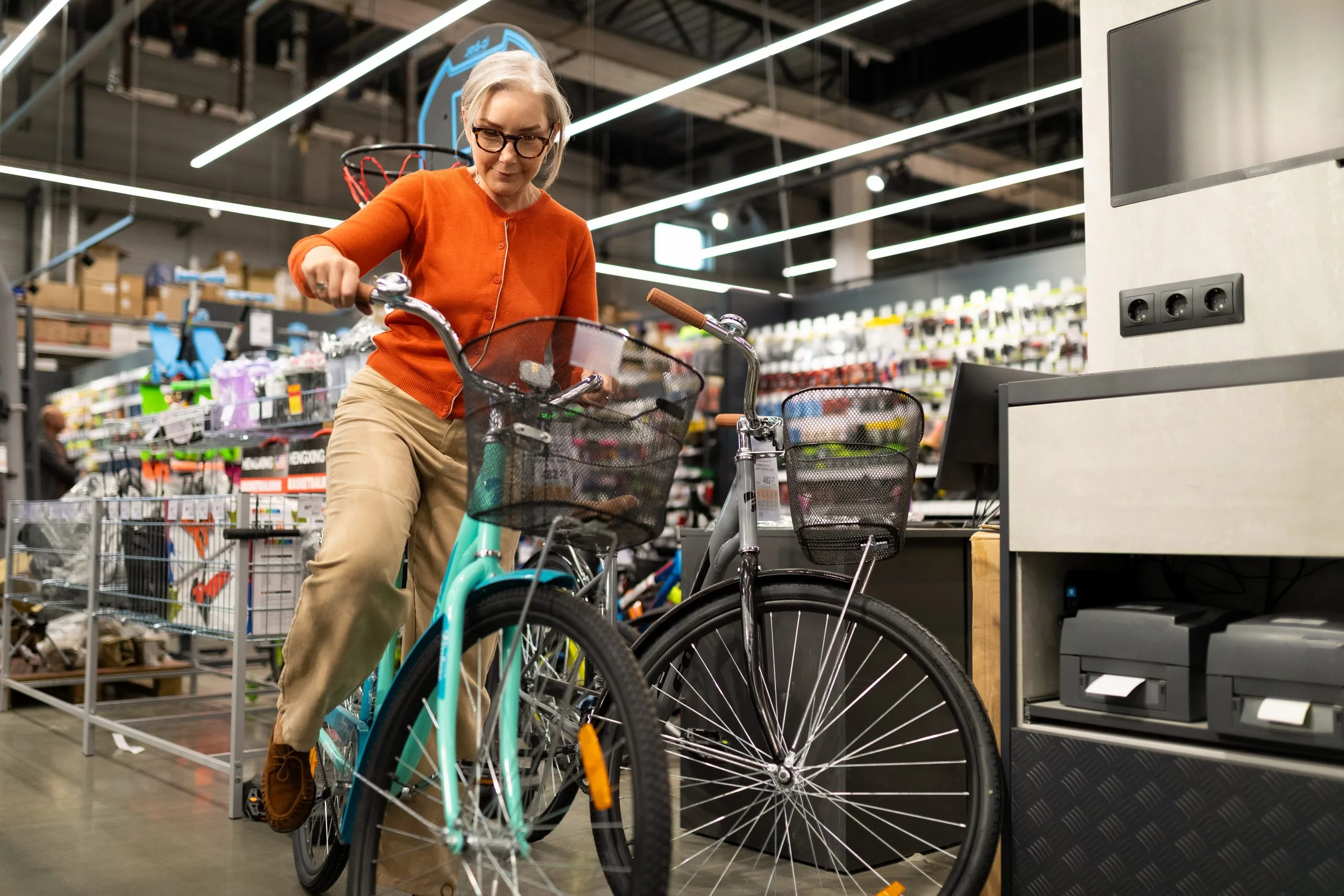
The Philippines bicycle market is expected to grow steadily as cycling becomes more relevant for affordable mobility, fitness, recreation, delivery use, and sustainable urban transport. The market is projected to grow at a 7.1% CAGR, supported by rising bicycle demand in urban areas, fitness-led cycling, and cycling infrastructure development. E-bikes are also gaining attention as consumers look for cost-effective and lower-emission transport options. With traffic congestion, fuel costs, and active lifestyle trends influencing mobility choices, bicycles are likely to remain important across both practical and recreational use cases. This shift shows how bicycles are moving from occasional transport to a more flexible part of daily movement and lifestyle.
Key Market Drivers promoting Growth in the Philippines Bicycle Industry
Affordable Mobility Is Supporting Daily Bicycle Use
Affordability is one of the strongest drivers of bicycle demand in the Philippines. Bicycles support short-distance travel, school mobility, local commuting, delivery use, and daily errands without fuel costs. In congested urban areas, they can provide a flexible option for shorter trips where cars or motorcycles may be less convenient. The Philippines bicycle market is supported by rising urban demand and greater interest in cycling as both transport and fitness activity. As households remain cost-conscious, bicycles can serve consumers looking for low-maintenance mobility. This makes bicycles especially relevant for students, workers, and delivery users who need practical and affordable transport.
E-Bikes Are Opening New Low-Emission Mobility Options
E-bikes are creating new opportunities in the Philippines bicycle market. They appeal to commuters, delivery riders, students, and urban consumers who want easier travel with lower running costs. The government’s zero-tariff policy now includes e-bicycles and other electric two-wheelers, helping improve affordability and supporting cleaner transport adoption. The policy is expanded to cover e-motorcycles, e-bicycles, and other EV categories. This can support wider interest in electric mobility and encourage more consumers to consider e-bikes for everyday travel. As battery quality and service support improve, e-bikes may become a more practical option for longer routes and heavier daily usage.
Fitness, Recreation, and Lifestyle Cycling Are Expanding Demand
Cycling is also gaining popularity as a fitness and recreational activity in the Philippines. Consumers are increasingly using bicycles for exercise, weekend rides, community cycling, and outdoor leisure. Demand is likely to grow across mountain bikes, urban bikes, children’s bicycles, folding bikes, and entry-level performance models. As health awareness improves, cycling can move beyond basic mobility and become part of lifestyle and wellness routines. Community rides and cycling groups are also helping make the category more visible among younger and urban consumers. This creates opportunities for brands to offer bicycles that combine comfort, style, durability, and everyday usability.
Government Support Encouraging Cleaner and Accessible Mobility in the Philippines
Government policy is supporting cleaner mobility and indirectly strengthening the bicycle and e-bike market. The Philippines extended its zero-tariff policy on electric vehicles and parts, and the expanded coverage includes e-bicycles and e-motorcycles. The policy aims to reduce dependence on fossil fuels and support EV market development. The Philippines has also committed to reducing greenhouse gas emissions by up to 75% in the coming years, which can support long-term interest in low-emission mobility options such as bicycles and e-bikes. These initiatives can make electric and non-motorized mobility more attractive over time. Better local cycling infrastructure would further help turn policy support into everyday bicycle adoption.
Competitive Insights of the Philippines Bicycle Market
The Philippines bicycle market includes imported bicycle brands, local distributors, mass retailers, specialist bike shops, e-bike companies, online sellers, and spare-parts suppliers. Competition is shaped by price, durability, availability, design, after-sales service, and suitability for local road conditions. Entry-level bicycles serve students and cost-conscious consumers, while e-bikes are targeting commuters and delivery users. As the market grows, brands that offer affordable pricing, reliable components, accessible maintenance, and strong retail reach are likely to perform better. Online channels are also helping consumers compare models, prices, and product reviews more easily. Companies that combine value with dependable service support can build stronger loyalty in a practical, price-sensitive market.
What Could Slow Down the Philippines Bicycle Market?
Road Safety and Infrastructure Gaps Remain a Concern
Road safety remains a major challenge for wider bicycle adoption. Many urban areas still have limited protected cycling lanes, uneven road conditions, and heavy traffic congestion. Without safer routes, secure parking, and stronger integration with public transport, bicycles may remain underused for daily commuting. Infrastructure development will be important for making cycling feel safe and practical. Riders also need clearer road-sharing awareness among motorists and public transport users. If safety concerns remain high, bicycle use may grow more strongly in recreation than in daily mobility.
Affordability and Service Concerns May Limit E-Bike Growth
Although bicycles are generally affordable compared with motorized vehicles, quality bikes and e-bikes can still be costly for many consumers. E-bike adoption may also face concerns around battery safety, charging access, spare parts, and maintenance support. Brands will need practical pricing, warranties, and reliable service networks to build consumer confidence. Battery replacement costs and unclear after-sales support can make first-time buyers hesitant. Financing options, entry-level e-bike models, and accessible repair centres can help reduce these barriers. Wider adoption will depend on making ownership simple, affordable, and reliable.
Future Outlook
The Philippines bicycle market is expected to become more diverse, with demand across affordable commuter bicycles, youth mobility, fitness bikes, delivery use, and e-bikes. Growth will be supported by urban mobility needs, rising health awareness, cleaner transport policies, and interest in cost-efficient travel. E-bikes are likely to gain traction as affordability improves and consumers become more familiar with electric mobility. Brands that combine durable products, accessible pricing, safety features, reliable after-sales service, and strong distribution will be better positioned to capture long-term opportunities in the Philippines bicycle market. As mobility needs evolve, bicycles can become a stronger part of practical, sustainable, and lifestyle-led transport in the country.
Consultants at Nexdigm, in their latest publication Philippines Bicycle Market Outlook to 2035,” analyzed the market by Product Type (Road, Mountain, Hybrid, Electric, Gravel, Kids Bicycle), by Price Range (Mass Market, Mid-Range, Premium Range), by Distribution Channels (Direct Sales, Online Retailers, Departmental Stores)
Nexdigm believes businesses bicycle industry must align product strategies with changing mobility and lifestyle needs. Companies should prioritise electric bicycles, commuter-friendly designs, safety features, financing options, and strong service networks to serve riders across fitness, recreation, tourism, and everyday transport.
To take the next step, simply visit our Request a Consultation page and share your requirements with us.
Harsh Mittal
+91-8422857704