
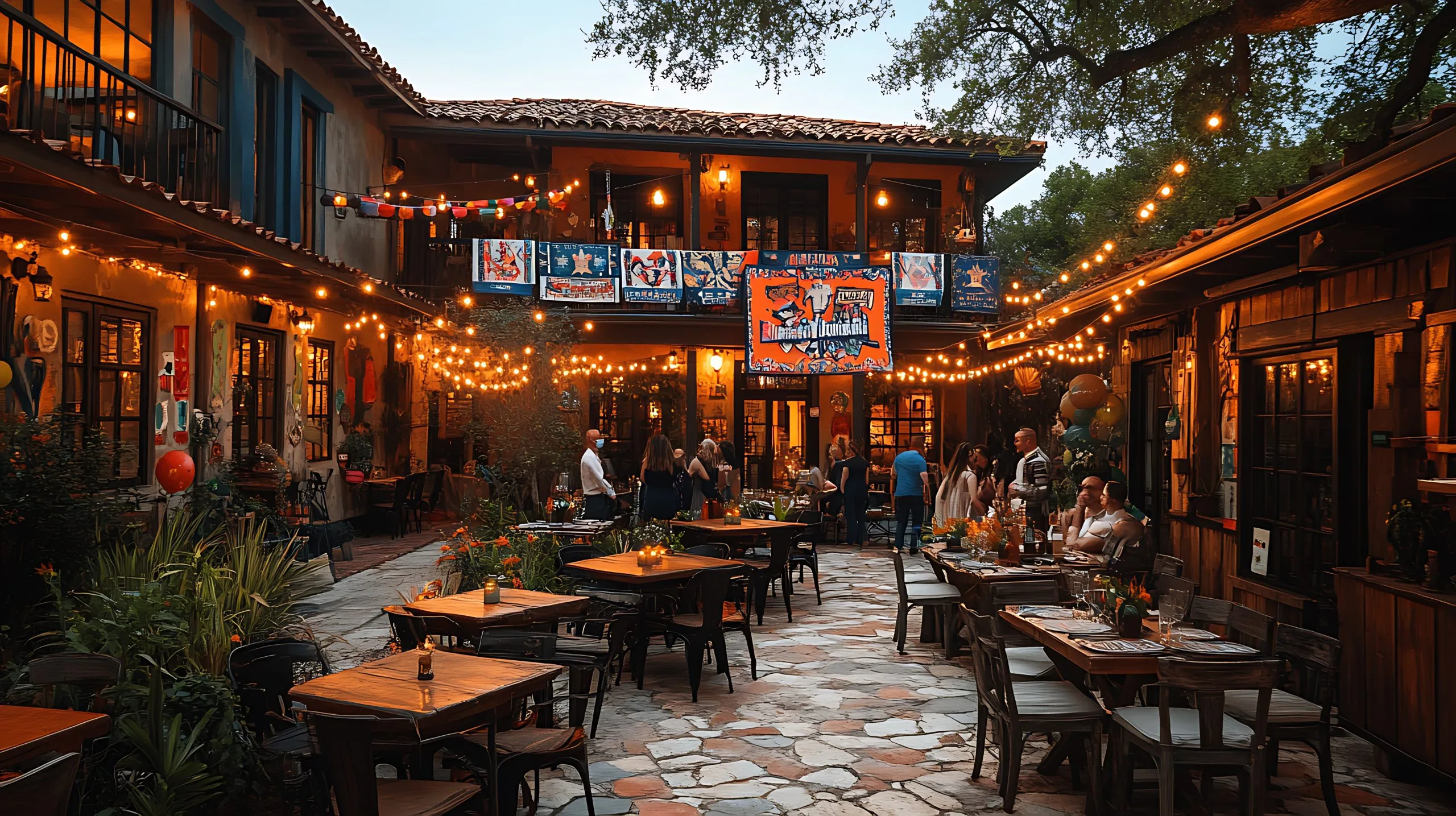
The Philippines Cafes & Bars Market is experiencing steady growth as coffee culture gains popularity and consumers increasingly embrace out-of-home dining experiences. From premium coffee chains in Metro Manila to independent cafés in tourist destinations such as Cebu, Boracay, and Palawan, cafés and bars have become important social and lifestyle venues. The market is benefiting from rising consumer confidence, stronger foodservice demand, and growing interest in specialty beverages. Additionally, tourism contributes nearly 9% to the country’s GDP, providing a strong foundation for café and bar operators targeting both domestic and international customers.
Key Growth Drivers Fueling the Philippines Cafes & Bars Market
Expanding Coffee Culture and Specialty Beverage Demand
Coffee culture continues to be one of the strongest growth drivers in the Philippines Cafes & Bars Market. Consumers are increasingly seeking premium coffee experiences, specialty beverages, cold brews, flavored drinks, matcha-based offerings, and café-style social spaces. The rapid expansion of branded chains, specialty coffee shops, and affordable kiosk models has made café culture more accessible across different income groups. Younger consumers, students, and professionals are increasingly using cafés as places to work, meet friends, and relax. This shift has encouraged operators to innovate with unique menus, loyalty programs, and aesthetically appealing store designs that enhance customer engagement.
Urbanization and Rising Social Dining Habits
Major urban centers such as Metro Manila, Cebu, and Davao remain key demand hubs due to their concentration of offices, shopping malls, educational institutions, and residential communities. The National Capital Region contributes approximately 31.2% of the country’s GDP, making it the largest market for cafés and bars. Consumers are increasingly spending on social dining and leisure experiences, creating demand for venues that offer convenience, ambiance, and quality food and beverage options. Cafés have evolved into multifunctional spaces that cater to business meetings, study sessions, remote work, and casual social gatherings.
Tourism and Experience-Led Consumption
Tourism plays a crucial role in supporting the Philippines Cafes & Bars Market. Popular destinations including Boracay, Cebu, and Palawan generate strong demand for cafés, bars, lounges, and hospitality-focused beverage outlets. Tourism contributes approximately 8.9% of the country’s GDP, highlighting its importance to the broader foodservice ecosystem. Tourists increasingly seek authentic local experiences alongside international café concepts. This trend is encouraging operators to introduce localized flavors, premium beverage offerings, and destination-driven dining concepts that appeal to a diverse customer base.
Government and Industry Initiatives Supporting the Philippines Cafes & Bars Market
Government efforts to strengthen tourism, support economic recovery, and encourage small business development are indirectly benefiting the Philippines Cafes & Bars Market. Investments in tourism infrastructure and destination promotion continue to drive visitor traffic toward major hospitality and leisure hubs. In addition, digital transformation initiatives are encouraging wider adoption of delivery services, digital payments, and online ordering systems. These developments are helping cafés and bars improve customer convenience, streamline operations, and expand their reach beyond traditional dine-in channels.
Competitive Landscape of the Philippines Cafes & Bars Market
The Philippines Cafes & Bars Market is highly competitive, with international chains, local coffee brands, specialty cafés, and independent operators competing across multiple customer segments. Leading brands such as Starbucks, Bo’s Coffee, Figaro Coffee, Dunkin’, PICKUP Coffee, and But First, Coffee continue to expand their presence nationwide. Competition is increasingly centered on affordability, menu innovation, customer experience, and digital engagement. While global brands leverage strong brand recognition, local operators are gaining traction through localized offerings, competitive pricing, and community-focused experiences.
Key Challenges Facing the Philippines Cafes & Bars Market
Cost Pressures and Price-Sensitive Consumers
Despite strong growth prospects, cafés and bars face challenges related to rising operating costs, including labor, rent, raw materials, and supply chain expenses. These pressures can affect profitability, particularly for smaller independent businesses. At the same time, value for money remains a key purchasing factor for Filipino consumers, requiring operators to carefully balance affordability with product quality and service excellence.
Increasing Competition Across Market Segments
The growing number of café chains, specialty coffee outlets, and beverage kiosks has intensified competition across the market. Businesses must continuously innovate to attract customers and maintain loyalty. Operators that fail to adapt to changing consumer preferences, digital trends, and emerging beverage categories may struggle to differentiate themselves in an increasingly crowded marketplace.
Future Outlook
The future of the Philippines Cafes & Bars Market remains promising, supported by a growing coffee culture, continued urbanization, rising disposable incomes, and strong tourism activity. The market is expected to expand at a CAGR of approximately 3.4%, driven by specialist coffee shop growth, affordable café formats, and increasing demand for premium beverage experiences. Emerging trends such as cold coffee beverages, delivery-focused service models, specialty coffee concepts, and digital ordering platforms are expected to create new growth opportunities. As consumers continue to seek convenience, quality, and memorable social experiences, cafés and bars will remain a dynamic and influential segment within the Philippines’ foodservice industry.
Consultants at Nexdigm, in their latest publication “Philippines Cafes & Bars Market Outlook to 2035,” analyze the sector By Establishment Type (Specialist Coffee Shops, Branded Chain Cafés, Independent Neighborhood Cafés, Bakery Cafés and Dessert Cafés, Tea, Matcha and Non-Coffee Beverage Cafés, Cocktail Bars and Speakeasies), By Beverage Category (Hot Coffee, Iced Coffee and Cold Brew, Specialty and Third-Wave Coffee).
Nexdigm suggests that businesses should focus on specialty coffee innovation, strengthen digital ordering ecosystems, expand into high-growth urban and tourism markets, and develop value-driven concepts to capitalize on opportunities within the Philippines Cafes & Bars Market.
To take the next step, simply visit our Request a Consultation page and share your requirements with us.
Harsh Mittal
+91-8422857704