
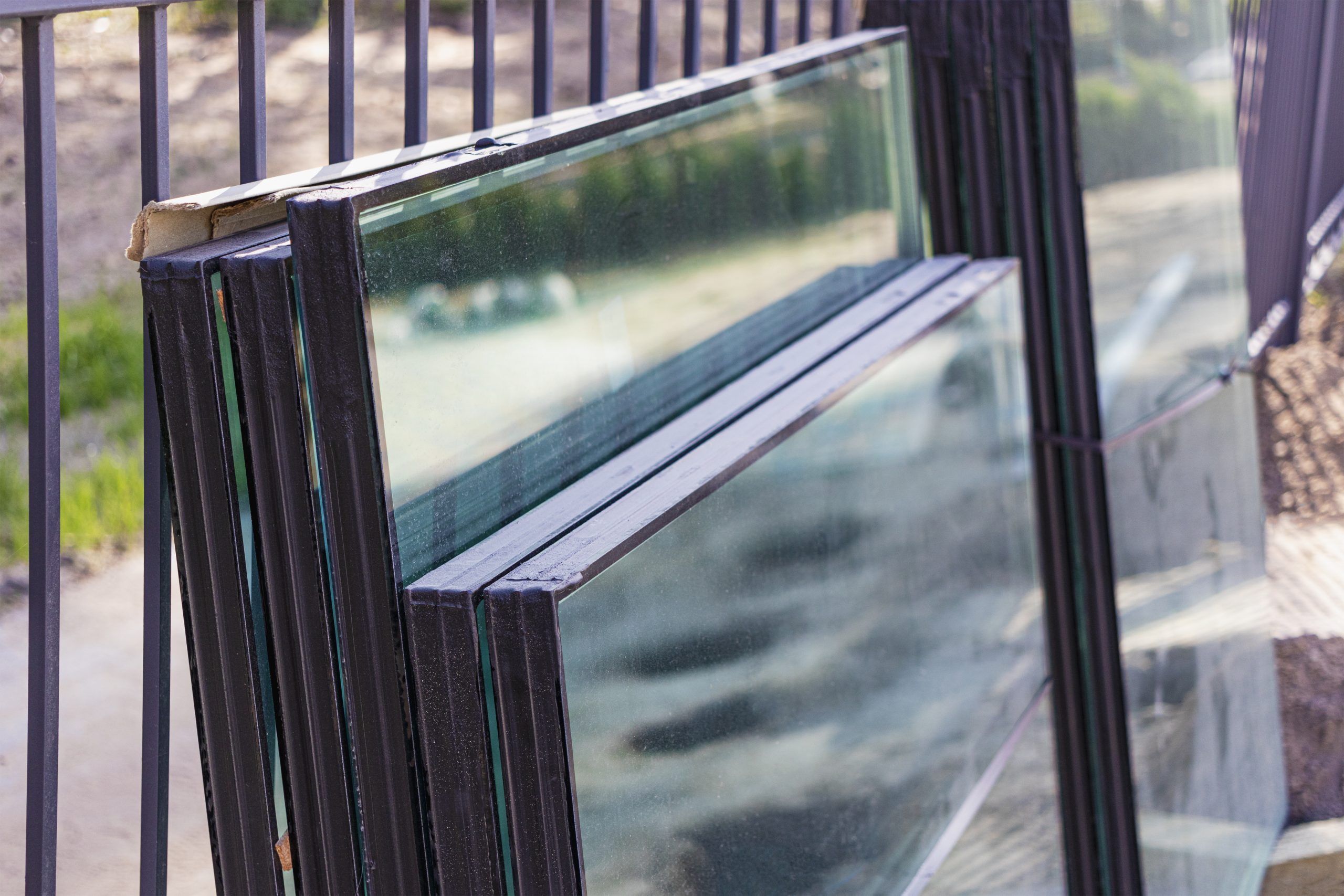
The Philippines coated glass market is gaining attention as construction activity, tropical climate conditions, and energy-efficiency requirements increase demand for advanced glazing. Low-E and solar-control glass can help reduce solar heat gain while maintaining daylight and architectural appeal. The country recorded 15,436 approved constructions worth PHP47.05 billion in May 2026, with residential projects accounting for 52.6% of construction value and non-residential projects contributing 38.1%. This expanding project base provides opportunities for coated-glass suppliers serving commercial buildings, residential developments, offices, hotels, and institutional facilities.
Key Market Drivers Shaping the Philippines Coated Glass Industry
Tropical Climate Supporting Solar-Control Glazing
The Philippines’ warm and humid climate makes solar heat management an important consideration for building designers. Solar-control and Low-E coated glass can limit heat entering through windows and façades while allowing useful daylight into occupied spaces. This can help improve indoor comfort and potentially reduce cooling requirements. The Philippine Green Building Code directly addresses glass performance through solar heat gain coefficient (SHGC) and visible light transmittance requirements. For buildings with a 70% window-to-wall ratio, for example, the code specifies a maximum SHGC of 0.31 and minimum visible light transmittance of 0.45. These requirements create a technical basis for higher-performance glazing.
Construction Activity Supporting Market Opportunities
The continued development of residential and commercial properties provides a broad application base. In May 2026, residential construction accounted for 65.8% of approved projects, while commercial buildings represented 63.5% of non-residential projects. March 2026 data also showed non-residential construction value reaching PHP24.87 billion, up 7.7% year-on-year, accounting for more than half of total construction value that month. Such activity supports demand for coated glazing in façades, curtain walls, windows, retail properties, offices, and mixed-use developments.
Green Building Requirements Expanding Advanced Glass Applications
Energy-conscious construction is creating additional opportunities for multifunctional glass. Developers can use coated products to address solar control, thermal performance, daylighting, and architectural requirements within a single glazing solution. As sustainability becomes more relevant to building specifications, coated glass can move beyond premium projects into a wider range of commercial and institutional applications.
Government Initiatives for the Philippines Coated Glass Industry
Government energy-efficiency policies provide a supportive framework for advanced glazing. The Philippine Green Building Code establishes requirements for window-to-wall ratios, SHGC, and visible light transmittance, directly connecting glass selection with building performance. The Department of Energy is also implementing the Energy Efficiency and Conservation Act, including minimum energy-performance requirements for designated commercial and industrial establishments. These measures can encourage greater use of energy-efficient glazing.
Competitive Landscape of the Philippines Coated Glass Industry
The Philippines coated glass industry includes international glass manufacturers, regional suppliers, local processors, and distributors. Competition is influenced by coating technology, thermal performance, optical quality, product availability, customization, processing capabilities, and pricing. Suppliers able to provide glass that meets Philippine building-performance requirements can serve commercial, residential, hospitality, healthcare, and institutional projects. Technical support for architects, façade consultants, and developers is also becoming important as projects demand more specific glazing performance.
Challenges Facing the Philippines Coated Glass Industry
Investment and Production Costs
Advanced coated glass requires specialized coating technology, equipment, skilled personnel, and quality-control systems. These requirements can increase production and procurement costs compared with conventional glass, creating challenges in price-sensitive construction segments.
Performance and Market Awareness
Project specifications may require manufacturers to balance solar control, visible light transmission, thermal performance, durability, and aesthetics. The Philippine Green Building Code already establishes specific SHGC and VLT parameters based on window-to-wall ratios. Greater technical awareness among project stakeholders is therefore important for selecting appropriate coated-glass solutions.
Future Outlook
The Philippines coated glass market is gradually moving toward glazing that delivers measurable building performance alongside modern aesthetics. Construction activity provides a substantial base for future demand, although monthly permit data also shows that growth can vary across segments. In May 2026, construction value reached PHP47.05 billion, while the average construction cost increased 6.7% year-on-year to PHP12,778.68 per square meter. As developers manage rising construction costs alongside energy-performance requirements, coated glass suppliers may find opportunities in products that combine solar control, thermal efficiency, daylight management, and durability. Multifunctional glazing could become increasingly relevant across commercial, residential, hospitality, and institutional developments.
Consultants at Nexdigm, in their latest publication “Philippines Coated Glass Market Outlook to 2035,” analyze the sector By Coating Type (Low E Coated Glass, Single Silver, Double Silver, Triple Silver E Coated Glass and Neutral Solar Control Glass), By Glass Substrate Type (Float, Tempered, Heat Strengthened Glass), By Application Type (Commercial, Office Buildings and Healthcare Facilities)
Nexdigm suggests that businesses in the Philippines’ Coated Glass Industry should invest in advanced solar-control coatings, develop climate-specific glazing, strengthen local project partnerships, improve manufacturing efficiency, and target sustainable construction developments.
To take the next step, simply visit our Request a Consultation page and share your requirements with us.
Harsh Mittal
+91-8422857704