
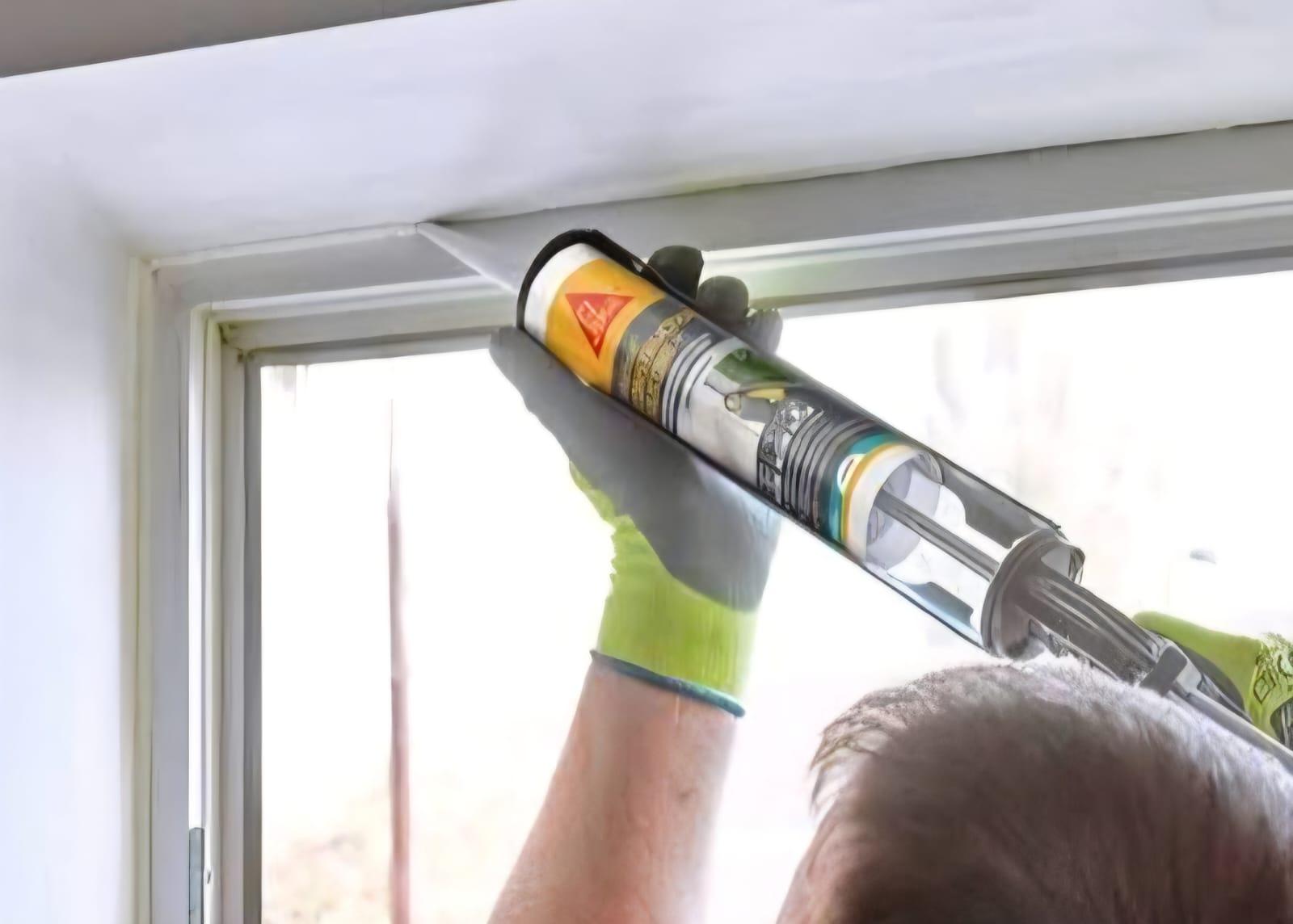
The Philippines construction sealants industry is becoming increasingly important as cities expand, infrastructure projects multiply, and developers focus on building structures that can withstand the country’s tropical climate. Construction sealants are essential for waterproofing, thermal insulation, crack prevention, and protecting buildings from moisture damage. With the Philippine construction sector recording growth of nearly 5% and the government continuing to invest heavily in transport and urban infrastructure, demand for high-performance sealants is rising across residential, commercial, and industrial applications. As builders prioritize durability and sustainability, sealants have evolved from a supplementary material into a critical component of modern construction.
Market Drivers Advancing the Philippines Construction Sealants Industry
Infrastructure Megaprojects Creating Strong Demand for Advanced Sealants
Across the Philippines, major infrastructure developments are increasing the need for reliable construction materials. Projects involving expressways, airports, rail networks, bridges, and flood-control systems require sealants capable of handling movement, vibration, and harsh weather conditions. The government’s ongoing infrastructure development agenda continues to funnel billions of pesos into public works. These projects rely heavily on waterproofing solutions, expansion-joint sealants, and façade protection systems to extend the lifespan of critical assets. As infrastructure becomes more sophisticated, the demand for premium silicone and polyurethane sealants continues to climb.
Urban Housing and Commercial Development Expanding Sealant Applications
The country’s growing urban population is driving construction activity in major cities such as Metro Manila, Cebu, and Davao. New residential towers, mixed-use developments, shopping centers, hospitals, and office buildings are creating fresh opportunities for sealant manufacturers. Construction sealants are now widely used in curtain walls, glazing systems, roofing joints, bathrooms, kitchens, and flooring applications. With thousands of building permits issued annually and increasing investment in real estate development, demand remains robust across both new construction and renovation projects.
Sustainability Trends Encouraging Adoption of High-Performance Products
Developers are paying greater attention to energy efficiency and long-term building performance. This shift is encouraging the use of advanced sealants that improve airtightness, reduce water intrusion, and contribute to lower maintenance costs. Low-VOC formulations and environmentally responsible products are becoming increasingly attractive as green building standards gain visibility in the Philippines. Builders increasingly recognize that investing in higher-quality sealants can significantly improve durability while reducing long-term repair expenses.
Government Initiatives Supporting the Philippines Construction Sealants Industry
Government-backed infrastructure initiatives, affordable housing programs, and public-private partnerships continue to create a favorable environment for the Philippines construction sealants industry. Investments in transportation corridors, urban transit systems, water infrastructure, and disaster-resilient construction are encouraging wider adoption of high-performance construction materials. Additionally, stricter building quality standards and resilience-focused development strategies are prompting contractors to select durable sealing solutions that can better withstand extreme weather events and heavy rainfall.
Competitive Landscape of Philippines Construction Sealants Industry
The market features a blend of international leaders and regional suppliers competing through innovation, product quality, and distribution reach. Major companies operating in the sector include Sika, Henkel, Dow, Mapei, Bostik, and Fosroc. These companies continue to introduce products specifically designed for humid tropical environments while expanding partnerships with contractors, distributors, and infrastructure developers. Product performance, sustainability credentials, and technical support remain key differentiators in the competitive landscape.
Challenges Facing the Philippines Construction Sealants Sector
Raw Material Price Volatility Pressuring Manufacturers
Many sealants rely on petrochemical-derived ingredients, making manufacturers vulnerable to fluctuations in global raw material prices. Rising production costs can affect profitability and lead to higher prices for end users, creating purchasing challenges for budget-sensitive projects.
Competition From Low-Cost Alternatives
Despite the benefits of premium sealants, lower-priced alternatives remain widely available in the market. Some contractors continue to prioritize upfront cost savings, even though lower-quality products may result in higher maintenance expenses and shorter service life over time.
Future Outlook
The future of the Philippines construction sealants market remains highly promising as infrastructure modernization, urban development, and sustainable construction practices continue to accelerate. Demand is expected to strengthen across transportation projects, commercial buildings, residential complexes, and industrial facilities. Manufacturers are likely to focus on innovative formulations offering greater weather resistance, longer durability, and improved environmental performance. As the country continues building smarter and more resilient infrastructure, construction sealants will play an increasingly vital role in enhancing structural longevity, energy efficiency, and occupant comfort across the Philippines’ evolving built environment.
Consultants at Nexdigm, in their latest publication “Philippines Construction Sealants Market Outlook to 2035” analyze the sector By Sealant Chemistry (Silicone Sealants, Acrylic Sealants and Polysulfide Sealants), By Product Type (Fired-Rated Sealants, Acoustic Sealants and Roofing Sealants) and By Region (Cebu, Davao City and Cavite).
Nexdigm suggests that businesses in “Philippines Construction Sealants Industry” focusses on oilfield, desalination, construction, and industrial applications, strengthen local warehousing, develop application-specific grades, improve technical support, and build resilient sourcing networks to serve expanding energy, water, and manufacturing demand.
To take the next step, simply visit our Request a Consultation page and share your requirements with us.
Harsh Mittal
+91-8422857704