
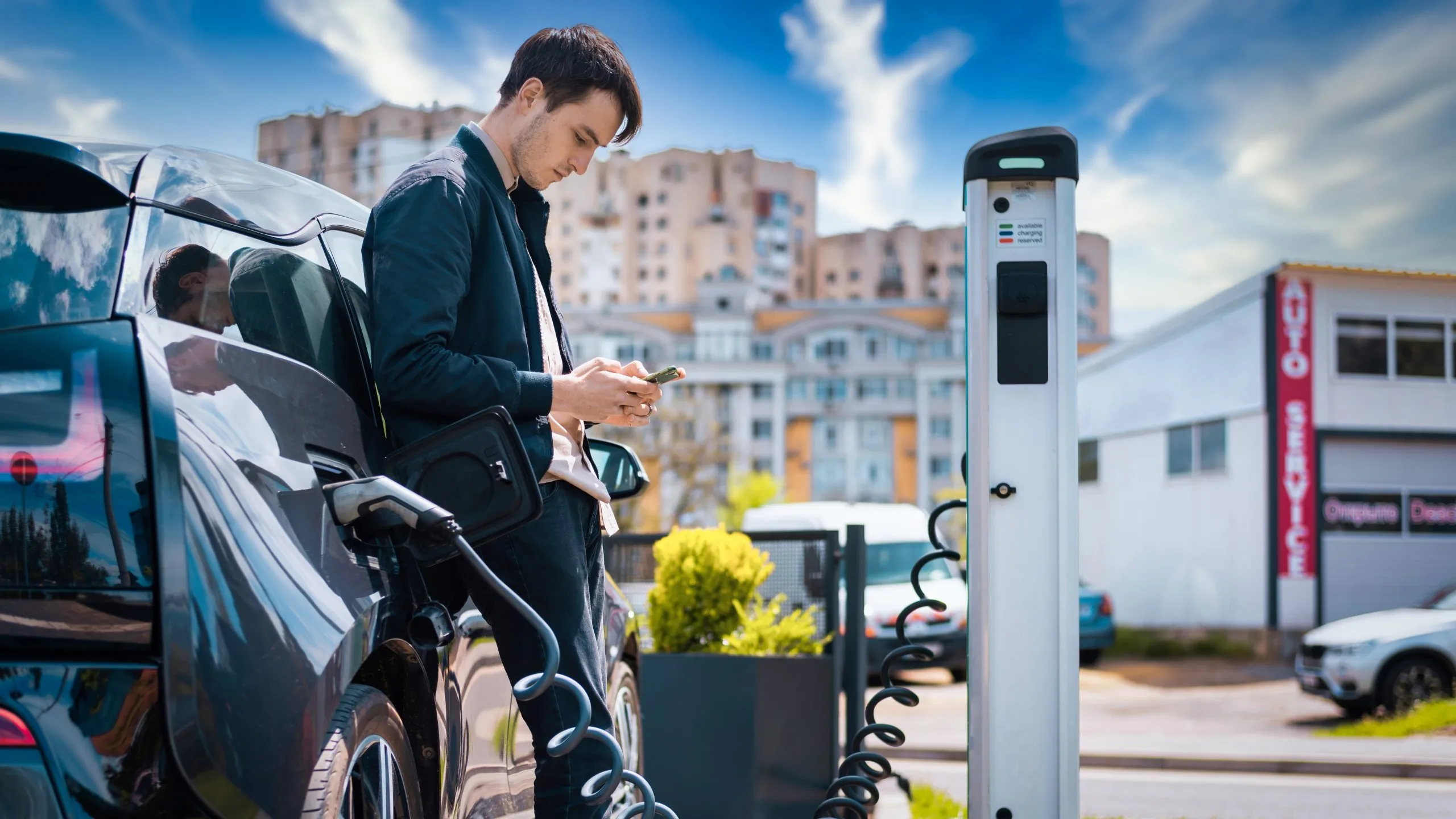
The Philippines EV charging infrastructure market is gaining momentum as the country embraces cleaner, electrified transport. EV registrations have surged from just 214 units to nearly 18,690 units in recent years, reflecting policy support, consumer interest, and urban mobility needs. The market is projected to reach around USD 1.72 billion in the coming years, growing at a 27% CAGR value. Currently, public chargers are concentrated in urban centers like Metro Manila, but expansion plans are underway nationwide. With increasing EV adoption and investments in energy infrastructure, charging solutions are becoming more accessible, reliable, and strategically important for sustainable mobility. Continued infrastructure development will be key to building consumer confidence and accelerating the country’s green transition.
Key Drivers of Growth Fueling EV Market Expansion in the Philippines
Rising Electric Vehicle Adoption
EV uptake in the Philippines is accelerating rapidly, fueled by government incentives and growing environmental awareness. Battery pack demand and public charging networks are directly influenced by this growth. With more passenger cars, two- and three-wheelers, and delivery fleets transitioning to electric, the need for accessible, high-performance chargers is rising. Improved battery ranges and faster-charging technology further encourage adoption. Expanding EV fleets in urban and provincial areas create strong demand for reliable, distributed charging infrastructure.
Private Investment and Public-Private Partnerships
Commercial players are increasingly investing in charging networks, deploying stations at retail hubs, parking facilities, and along highways. Public-private partnerships accelerate the deployment of both AC and DC fast chargers, providing convenience and confidence for EV users. Investors are focusing on high-traffic areas to maximize utilization. Partnerships with energy companies and local governments help streamline installation, reduce costs, and scale deployment efficiently. These collaborations are essential to meeting growing EV demand while ensuring operational sustainability.
Environmental and Energy Efficiency Goals
Government and corporate sustainability commitments drive EV adoption and charging infrastructure deployment. Integrating chargers with renewable energy sources such as solar powered stations reduces grid dependency and enhances environmental benefits. Expansion of energy-efficient charging networks aligns with the Philippines’ carbon reduction targets and clean energy initiatives. As both consumers and companies seek greener alternatives, demand for well-distributed, efficient charging infrastructure is expected to grow steadily over the coming decade.
Government Driving EV Market Expansion in the Philippines
Government policies play a critical role in shaping the EV charging ecosystem. Programs like the Electric Vehicle Industry Development Act (EVIDA) provide tax incentives and zero import tariffs on EVs and components in the coming years, indirectly stimulating demand for charging infrastructure. Regulatory guidelines and public funding aim to deploy over 7,000 public charging stations, streamlining installation processes, and ensuring safety. These measures encourage private investment, reduce consumer hesitation, and foster a nationwide, interoperable charging network. Coordinated policies also create opportunities for local businesses to participate in infrastructure deployment and maintenance.
Competitive Landscape of the Philippines EV Charging Market
The Philippines EV charging market features a mix of utility companies, energy firms, automotive OEMs, and technology providers. Established players focus on speed, reliability, and connectivity, while local startups are innovating with mobile apps and smart payment solutions. Partnerships with municipalities and commercial real estate owners help expand station networks. Differentiation is emerging around charger types of AC slow chargers, DC fast chargers, and ultra-fast highway units as well as service quality and software integration. Companies investing in service reliability, customer experience, and intelligent network management are well-positioned to capture market share. Expansion into rural and suburban regions offers untapped growth potential.
Market Challenges facing the EV Charging Sector of the Philippines
Uneven Distribution and Urban-Centric Coverage
Current charging infrastructure is heavily concentrated in urban areas, leaving rural regions underserved. Limited access outside metropolitan centers can reduce EV adoption and create “range anxiety” for potential buyers. Equitable deployment of chargers across the country will be essential to achieving nationwide EV adoption. In addition, uneven coverage can slow down the growth of commercial EV fleets that rely on predictable charging networks, such as delivery and logistics services. Rural infrastructure gaps also limit the adoption of electric public transport solutions, preventing the full environmental benefits of electrification from being realized.
Regulatory and Deployment Barriers
Complex or inconsistent permitting requirements at the local government level for slow station rollout. Different interpretations of installation approvals can delay projects and increase costs. Streamlined regulatory processes and standardized guidelines are essential to support rapid expansion and encourage investor confidence. Furthermore, unclear regulations regarding grid interconnection, safety standards, and pricing structures can create uncertainty for private investors and developers. Addressing these hurdles is crucial not only for faster deployment but also to ensure that infrastructure expansion keeps pace with rising EV adoption and technological advancements.
Future Outlook
As we move ahead, the Philippines EV charging infrastructure market is expected to grow substantially as EV adoption becomes mainstream and public-private collaborations scale nationwide. Continued investment in fast-changing technology, renewable-powered stations, and grid integration will improve accessibility and reliability. Supportive policies, infrastructure expansion, and innovative business models will boost consumer confidence. As urban and rural coverage expands, EV adoption is likely to accelerate, creating a positive feedback loop for infrastructure demand. Companies investing in smart networks, maintenance services, and energy efficiency will emerge as market leaders. The next decade will see the Philippines becoming a regional hub for EV charging solutions.
Consultants at Nexdigm, in their latest publication “Philippines EV Charging Infrastructure Market Outlook to 2035,” analyze the sector by System Type (AC Level 1 Charging System, AC Level 2 Charging System, DC Fast Charging System, Ultra-Fast High Power Charging System), By Platform Type (Public Charging Networks, Residential Charging Infrastructure, Commercial Destination Charging), and By Fitment Type (Standalone Charging Stations, Parking Facility Integrated Chargers, On Street Municipal Charging Points).
Nexdigm suggests that businesses should strategically invest in the expansion of EV charging infrastructure to meet the increasing demand for electric vehicles. By focusing on enhancing charging station coverage, especially in under-served regions, and adopting advanced technologies like smart charging solutions, companies can drive growth while ensuring seamless EV adoption. Additionally, aligning with government initiatives and fostering collaborations with key industry players will help create a robust and sustainable charging network across the Philippines.
To take the next step, simply visit our Request a Consultation page and share your requirements with us.
Harsh Mittal
+91-8422857704