
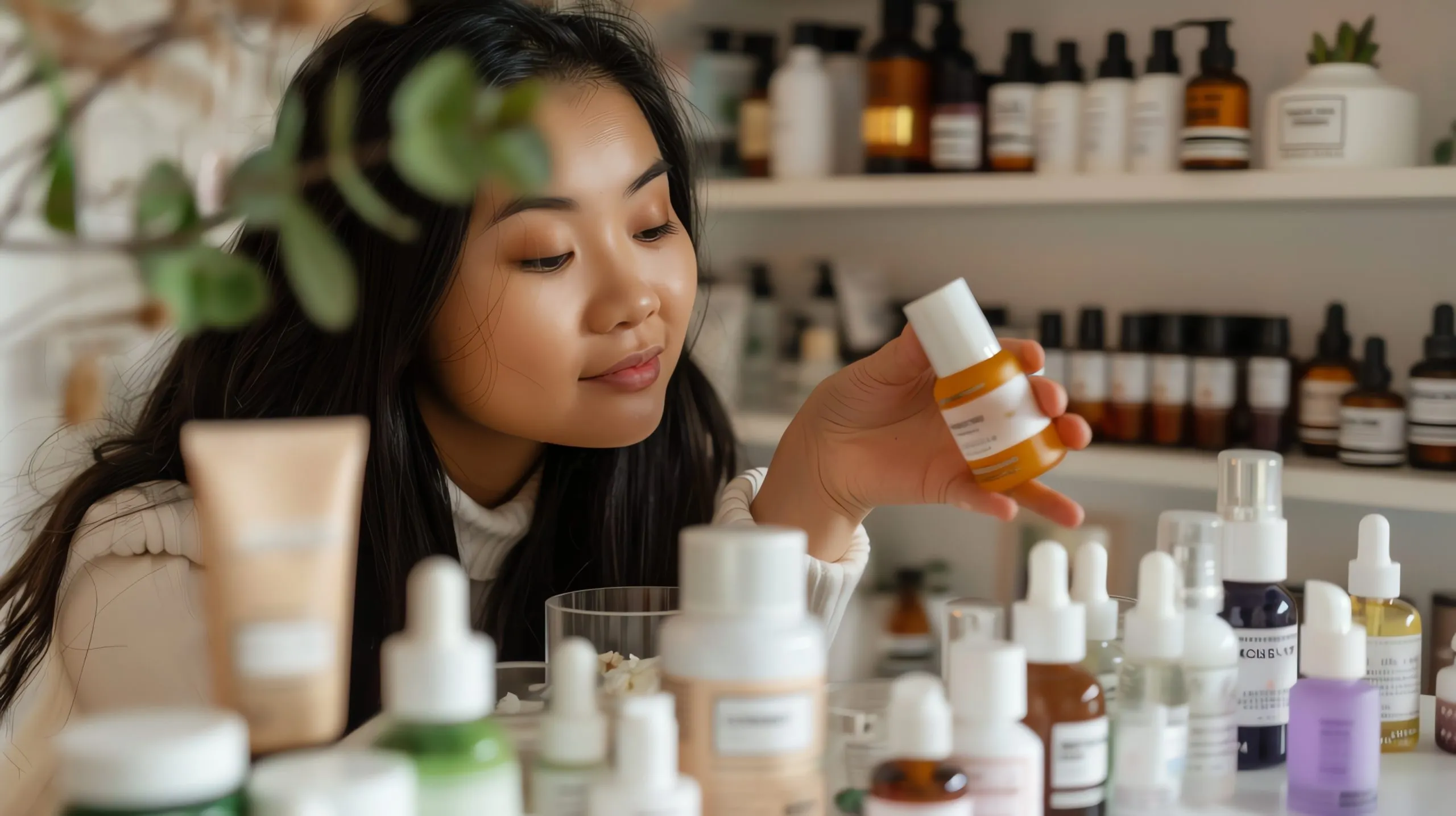
The Philippines Face Wash Market is experiencing steady growth as skincare becomes an integral part of daily routines for consumers across age groups. Increasing awareness about skin health, combined with the influence of social media and beauty trends, is driving demand for facial cleansing products. The broader facial skincare market is already valued at around USD 1.6 billion, highlighting strong category potential. Consumers are now seeking products tailored to specific concerns such as acne, oil control, and hydration. This shift is pushing brands to innovate while making skincare more accessible and personalized for the modern Filipino consumer.
Philippines Face Wash Market Driven by Changing Consumer Behavior and Digital Growth
Rising Skincare Awareness and Tropical Climate Needs
Filipino consumers are becoming increasingly conscious of skincare, with many adopting multi-step routines that begin with effective cleansing. The tropical climate, characterized by humidity and heat, further increases the need for daily face wash usage to manage oil and impurities. The facial cleanser market was valued at approximately USD 202 million and continues to grow steadily, reflecting consistent demand. Additionally, a 13% rise in skincare product sales highlights growing awareness and consumption in this segment. This evolving mindset is encouraging consumers to explore specialized cleansing solutions tailored to their skin type.
Rapid Expansion of E-commerce and Social Commerce
Digital transformation is playing a critical role in shaping the Philippines Face Wash Market. Around 72% of beauty purchases are now made online, driven by convenience and competitive pricing. Platforms like Shopee, Lazada, and TikTok are becoming key sales channels, with social commerce influencing a large share of buying decisions. Younger consumers, especially those aged 18–34, are highly engaged online, with nearly 65% purchasing beauty products frequently. This growing digital ecosystem is helping brands reach wider audiences and build stronger consumer connections.
Increasing Preference for Natural and Affordable Products
Consumers in the Philippines show a strong preference for natural and affordable skincare solutions, with nearly 72% favoring products made with organic or natural ingredients.
At the same time, price sensitivity remains high, with many buyers comparing options before making a purchase. This has led to the rise of local brands offering cost-effective alternatives, creating a balanced mix of premium and mass-market offerings.
Philippines Face Wash Market Strengthened by Regulatory Framework and Industry Support
The Philippines government, through the Food and Drug Administration (FDA), ensures strict compliance with cosmetic product safety and labeling standards. These regulations enhance consumer trust and maintain product quality across the market. In addition, favorable trade agreements within ASEAN enable easier import of skincare products, encouraging market expansion and healthy competition. Such initiatives create a structured environment that supports both innovation and consumer safety while fostering growth in the face wash segment.
Philippines Face Wash Market Highly Competitive with Strong Local and Global Presence
The Philippines Face Wash Market is marked by intense competition among international giants and emerging local players. While global brands hold a significant share, local brands account for nearly 35% of the market, offering competitive pricing and culturally relevant products. Companies are focusing on product differentiation through ingredients, packaging, and targeted marketing strategies. With strong presence across offline retail and rapidly growing e-commerce channels, brands are continuously innovating to retain consumer interest in this dynamic space.
Philippines Face Wash Market Faces Pricing Pressure and Market Saturation
High Price Sensitivity and Brand Switching
One of the major challenges in the Philippines Face Wash Market is the high level of price sensitivity among consumers. Nearly 48% of buyers prioritize price over brand, leading to frequent brand switching. Additionally, the presence of numerous similar products creates market saturation, making it difficult for brands to stand out. This puts pressure on companies to maintain competitive pricing while also investing in innovation and marketing.
Future Outlook
The future of the Philippines Face Wash Market looks promising, with the facial cleanser segment expected to grow to nearly USD 295 million over the coming years. Growth will likely be fueled by increasing adoption of personalized skincare, natural ingredients, and dermatologist-backed formulations. At the same time, digital channels will continue to drive sales, supported by influencer marketing and social commerce trends. As consumers become more informed and selective, brands that focus on transparency, affordability, and targeted solutions will gain a competitive edge in this evolving market.
Consultants at Nexdigm, in their latest publication “Philippines Face Wash Market Outlook to 2035,” analyze the sector By Product Type (Cleansing Gels, Cleansing Creams, Foaming Cleansers), By Ingredient Type (Herbal, Synthetic, Organic).
Nexdigm suggests that businesses should write market‑relevant context by aligning strategies, product positioning, and communication with evolving consumer preferences, digital buying behavior, pricing sensitivity, and competitive dynamics within the Philippines Face Wash Market to drive sustainable growth and stronger market differentiation.
To take the next step, simply visit our Request a Consultation page and share your requirements with us.
Harsh Mittal
+91-8422857704