
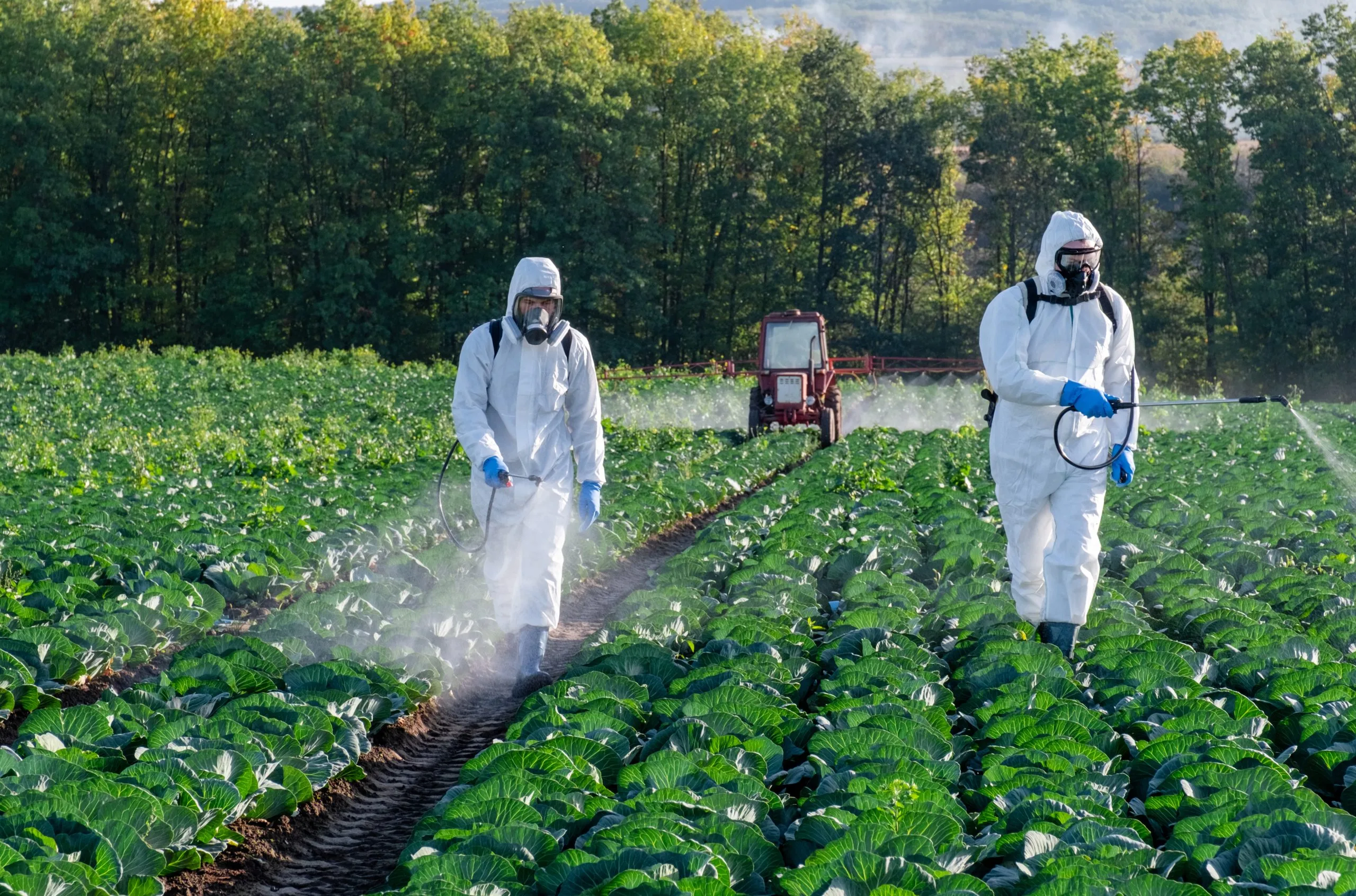
The Philippines glyphosate market is gaining relevance as farmers look for practical ways to manage weeds, improve field preparation, and protect crop productivity. Glyphosate is widely used as a non-selective herbicide across agricultural and non-agricultural applications, especially where efficient vegetation control is required. In the Philippines, demand is supported by the country’s large farming base, with agriculture employing a significant share of the workforce. As farms work to improve yields and reduce labour-intensive practices, glyphosate continues to play an important role in crop protection and farm management.
Key market drivers are supporting glyphosate demand across Philippine agriculture
Weed control needs are increasing across major crop areas
Weed pressure remains a major challenge for Philippine farmers, especially in crops such as rice, corn, sugarcane, banana, coconut, and plantation crops. Weeds compete with crops for nutrients, sunlight, water, and space, reducing yields and increasing production costs. Glyphosate is commonly used because it supports broad-spectrum weed control and helps farmers prepare fields more efficiently before planting. With the Philippines having around 9.67 million hectares of agricultural land and about 4.94 million hectares of arable land, demand for effective weed management solutions remains important. Farmers and agribusinesses are increasingly looking for products that reduce manual labour and improve field productivity.
Labour constraints are encouraging chemical weed management
Manual weeding can be time-consuming and costly, particularly for smallholder farmers and plantations managing larger crop areas. Labour availability can also fluctuate during peak planting and harvesting periods. Glyphosate helps reduce dependence on manual weed removal, allowing farmers to manage fields more efficiently. This is especially relevant as agriculture continues to employ about 22% of workers in the Philippines, while the sector faces pressure to improve productivity and farm incomes. Cost-effective herbicide solutions can support more efficient farm operations when used responsibly and in line with label instructions.
Farm modernization is supporting demand for crop protection products
As Philippine agriculture gradually modernizes, demand is rising for inputs that support higher productivity and better resource use. Herbicides, including glyphosate, are often used as part of broader crop management systems involving improved seeds, mechanization, irrigation, and advisory services. Agribusinesses, cooperatives, and input retailers are also helping farmers access crop protection products and usage guidance. This is creating opportunities for suppliers that can provide reliable formulations, farmer education, and responsible-use support.
Government regulation and initiatives are shaping responsible market development
Government oversight is central to the Philippines glyphosate market because pesticides must meet registration and regulatory requirements before commercial use. The Fertilizer and Pesticide Authority regulates fertilizer, pesticide, and agricultural chemical products in the country, including product registration and related compliance processes. Broader government priorities around food security, agricultural productivity, and farmer support also influence demand for crop protection products. At the same time, responsible-use campaigns, product registration systems, and safety standards help encourage proper handling, application, storage, and distribution.
Competitive landscape is becoming more compliance and distribution focused
The Philippines glyphosate market includes multinational agrochemical companies, regional suppliers, local distributors, importers, formulation providers, and agricultural input retailers. Competition is shaped by product efficacy, pricing, farmer trust, distribution reach, and regulatory compliance. Suppliers that offer consistent product quality, clear usage instructions, technical assistance, and accessible retail networks are better positioned to serve farmers. As buyers become more cautious about input quality and safety, brands that emphasize responsible application and reliable formulations can strengthen their market presence.
Market challenges continue to affect growth and adoption
Regulatory scrutiny and safety concerns require careful management
Glyphosate remains subject to ongoing discussion globally around health, environmental safety, and responsible agricultural use. In the Philippines, suppliers and users must comply with pesticide regulations and product-label requirements. Misuse, overapplication, or poor handling can raise safety and environmental concerns, making farmer education essential.
Price sensitivity can affect purchasing decisions
Many farmers operate with limited budgets and may choose products based on affordability. Price competition can be strong, particularly in rural input markets. Suppliers need to balance cost, product quality, availability, and farmer support to build long-term trust.
Future outlook
The future outlook for the Philippines glyphosate market remains steady as farmers continue to need effective weed control solutions for crop productivity and field management. Demand is likely to be supported by agriculture modernization, labour constraints, and the need to improve farm efficiency. However, growth will depend heavily on regulatory compliance, responsible application, product stewardship, and farmer education. Businesses that invest in high-quality formulations, transparent distribution, safety training, and integrated weed management support will be better positioned to capture long-term opportunities in the market.
Consultants at Nexdigm, in their latest publication “Philippines glyphosate market outlook to 2035,” analyze the sector By Formulation Type (Soluble Liquid (SL), Soluble Powder (SP), Water Dispersible Granule (WDG), By Crop Type (Cultivation Acreage, Herbicide Utilization Intensity, Crop Protection Dependency)
Nexdigm suggests that businesses in the Philippines glyphosate market should focus on regulatory compliance, responsible product use, and farmer education to support safe and effective weed management.
To take the next step, simply visit our Request a Consultation page and share your requirements with us.
Harsh Mittal
+91-8422857704