
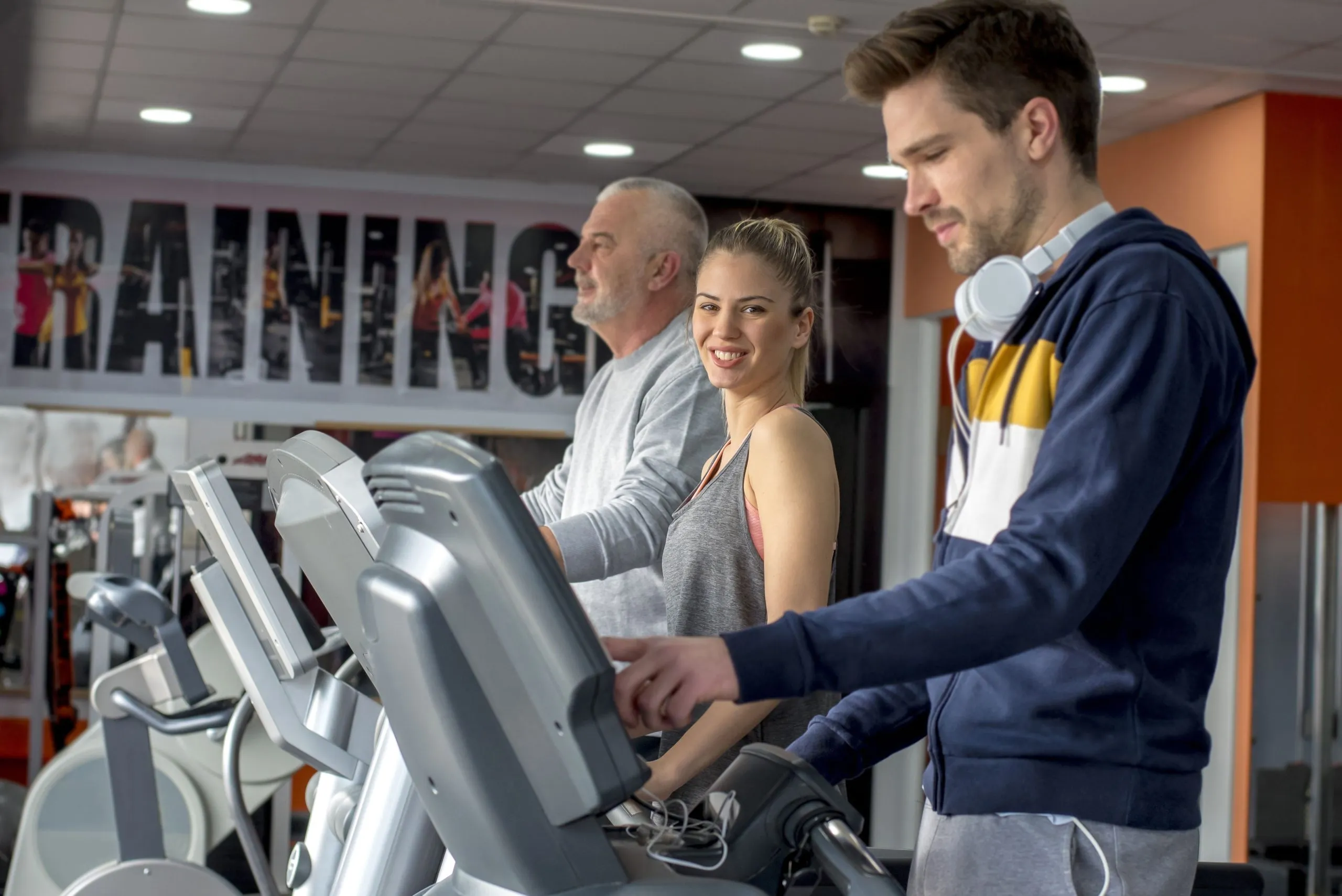
The Philippines health & fitness club market is experiencing strong growth as more Filipinos embrace active, wellness-focused lifestyles. With over 1.5 million fitness club members and around 3,500 gyms and studios nationwide, structured fitness is becoming a mainstream part of urban life. Cities like Metro Manila, Cebu, and Davao are key hubs, but demand is increasingly spreading to smaller urban areas. Fitness clubs are evolving beyond traditional gyms into lifestyle and wellness centers that offer group classes, personal coaching, and social engagement opportunities. Digital and hybrid fitness solutions are increasingly complementing in-club offerings, allowing members to maintain routines at home or on the go. Consumers are now seeking fitness experiences that combine physical health, mental wellbeing, and community connection.
Key Drivers Fueling Growth in the Philippines Fitness Market
Rising Health Awareness and Preventive Wellness
Health consciousness is a primary driver of fitness adoption in the Philippines. Lifestyle-related conditions such as obesity, diabetes, and hypertension are prompting residents to seek structured exercise solutions. Fitness clubs offer professional guidance, goal tracking, and group classes that help members adopt sustainable health routines. The preventive wellness trend is particularly strong among young professionals and urban residents who are balancing demanding lifestyles with personal health goals. Fitness is now seen as a tool for improving overall quality of life, including stress reduction, mental clarity, and energy management. Clubs that incorporate nutrition guidance, recovery sessions, and wellness programs see higher engagement and long-term commitment.
Urban Lifestyles and Middle-Class Participation
Urbanization and rising disposable income have enabled more Filipinos to invest in fitness memberships and wellness programs. Professionals, students, and families seek convenient gyms, boutique studios, and flexible membership options that fit their daily routines. Boutique fitness offerings like yoga, HIIT, cycling, and Pilates attract lifestyle-conscious consumers looking for variety and community-driven experiences. Urban lifestyles, longer working hours, and high-stress environments have increased the need for structured physical activity as part of a healthy daily routine. Flexible schedules, short-duration classes, and premium experiences are helping gyms retain members and expand their reach across cities.
Hybrid Fitness Models and Digital Engagement
Technology is transforming how Filipinos engage with fitness. Many gyms are adopting hybrid models that combine in-club sessions with virtual classes, app-based workouts, and wearable integration. These models allow members to maintain consistency while traveling or working from home. Digital tools provide personalized programs, progress tracking, and interactive engagement that enhance member satisfaction. Tech-enabled services also attract younger, tech-savvy consumers while offering scalability and flexibility for operators. Fitness centers that embrace digital innovation alongside physical experiences are positioning themselves for long-term success.
Government Initiatives Encourage Active Lifestyles in the Philippines
The Philippine government is promoting public health and wellness through community fitness events, school sports programs, and public recreation initiatives. Local municipalities have invested in parks, walking trails, and outdoor fitness facilities to encourage daily activity among residents. Public campaigns highlighting preventive care and healthy lifestyles complement private fitness club offerings by creating a health-conscious population. These initiatives help cultivate early awareness of the benefits of exercise, motivating a broader audience to explore formal fitness solutions. They also create opportunities for public-private partnerships in wellness programs.
Competitive Landscape of Fitness Clubs in the Philippines
The fitness market in the Philippines comprises local gym chains, boutique studios, and digital-first platforms. Large operators compete on service variety, professional trainers, modern equipment, and premium experiences. Boutique studios differentiate themselves with specialized programs such as yoga, Pilates, martial arts, and functional training. Hybrid and digital fitness options are gaining popularity as clubs seek to retain members beyond physical attendance. Partnerships with corporate wellness programs, hotels, and residential complexes help gyms expand their reach. Operators that combine quality facilities, engaging community events, and technology integration are best positioned to attract and retain loyal members.
Market Challenges facing the Philippines Fitness Care Industry
Affordability and Membership Perception
Price sensitivity is a key challenge, particularly among students and younger professionals. Gym memberships can be perceived as discretionary spending, limiting adoption among cost-conscious segments. Clubs must offer tiered pricing, flexible plans, and loyalty programs to broaden access. Demonstrating tangible value through personalized coaching, results tracking, and community engagement helps justify costs and strengthen retention.
Retention and Consistent Engagement
Sustaining long-term member engagement is another challenge, as many users drop off after short-term goals are met. Clubs must focus on habit-building strategies such as personalized coaching, interactive classes, hybrid access, and community-focused events. Digital engagement and gamified experiences also help maintain member motivation. Creating a supportive, motivating environment ensures members continue their fitness journey consistently.
Future Outlook
The Philippines health & fitness club market is expected to become highly diversified, tech-enabled, and lifestyle-focused. Growth will be driven by preventive health awareness, urban lifestyle trends, rising middle-class participation, and expanding digital fitness adoption. Fitness clubs that offer flexible memberships, hybrid experiences, personalized coaching, and community-driven programs are likely to capture the largest market share. Expansion into niche offerings such as women-focused fitness, senior wellness, recovery programs, and corporate wellness services will broaden participation. As fitness becomes an essential part of daily life, gyms and wellness centers will play a key role in shaping healthier lifestyles for millions of Filipinos.
Consultants at Nexdigm, in their latest publication Philippines Health & Fitness Club Market Outlook to 2035,” analyzed the market by Club Type (Commercial Gyms, Budget Gyms, Health Clubs and Wellness Centers, Yoga and Pilates Studio, Sports and Athletic Clubs), by Service Offering (Cardio and Strength Training, Personal, Functional Training, Yoga and Pilates Studio, HIIT and Bootcamp, Cycling Studios, Aquatics and Sports Facilities).
Nexdigm believes businesses in the fitness care industry must focus on delivering personalized, flexible, and technology-enabled experiences that cater to evolving consumer expectations. Emphasizing hybrid fitness models, digital engagement, wellness programs, and community-driven initiatives helps operators retain members, increase loyalty, and stay competitive in a rapidly growing, health-conscious market.
To take the next step, simply visit our Request a Consultation page and share your requirements with us.
Harsh Mittal
+91-8422857704