
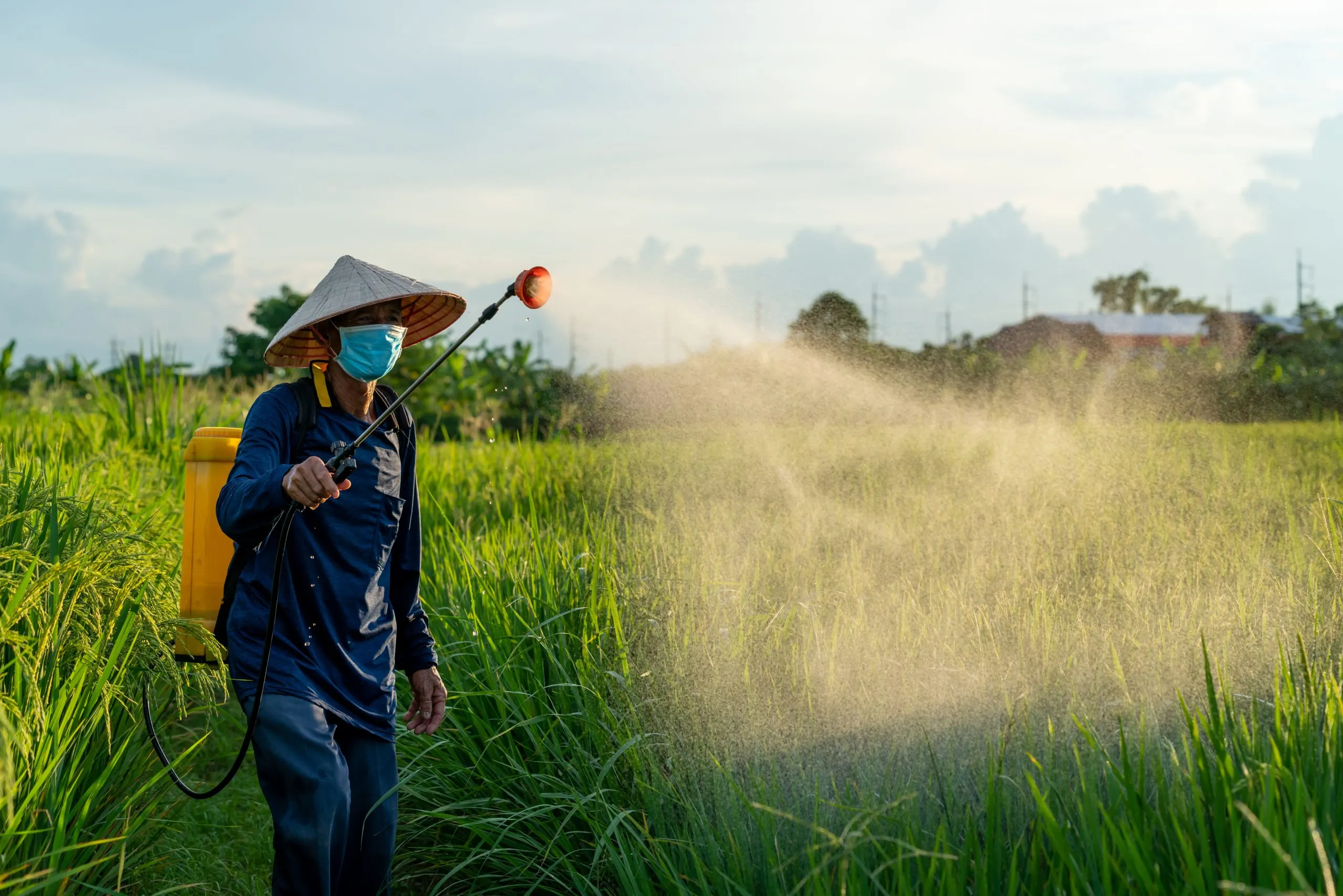
The Philippines herbicide market is experiencing steady growth as the country’s agriculture sector focuses on improving crop productivity, reducing labor dependency, and enhancing food security. Herbicides have become an essential tool for controlling weeds across major crops such as rice, corn, sugarcane, banana, coconut, and pineapple. The Philippines recorded crop production of more than 80 million metric tons, highlighting the need for efficient weed-management solutions to maintain yields and farm profitability. Additionally, increasing adoption of modern farming techniques and mechanization is driving the demand for advanced crop protection products. As farmers seek cost-effective ways to maximize output from available land, herbicides are expected to remain a critical component of agricultural operations.
Key Market Drivers of Philippines Herbicide Market
Rising Demand for Higher Agricultural Productivity
Agriculture remains a vital contributor to the Philippine economy, accounting for approximately 9.5% of GDP and supporting nearly 20% of total employment. As population growth fuels demand for food, farmers are under increasing pressure to improve crop yields and farm efficiency. Herbicides help minimize crop losses by eliminating weed competition for nutrients, sunlight, and water. This enables growers to achieve better harvest outcomes while reducing production costs. As food security becomes increasingly important, effective weed-control solutions are gaining wider adoption across the farming sector.
Growth of Commercial and Plantation Crop Farming
The Philippines is one of the leading producers of plantation crops, including bananas, coconuts, sugarcane, and pineapples. Large-scale farms require efficient vegetation management to maintain productivity and profitability. Non-selective herbicides are widely used in plantations, farm boundaries, and irrigation channels because they offer broad-spectrum weed control. As commercial agriculture continues to expand and modernize, demand for herbicides is expected to increase further.
Shift Toward Modern and Sustainable Farming Practices
Farmers are increasingly adopting mechanized farming and advanced crop-management techniques to enhance operational efficiency. Herbicides reduce reliance on manual weeding, helping address labor shortages and rising labor costs. At the same time, demand for environmentally responsible solutions is growing. The Philippines bioherbicides market is projected to expand at a CAGR of approximately 4.9%, reflecting increasing interest in sustainable weed-control alternatives.
Government Support and Agricultural Development Programs for Philippines Herbicide Market
The Philippine government continues to invest in programs that improve agricultural productivity, food security, and farm modernization. Initiatives supporting irrigation development, farm mechanization, and technology adoption are helping farmers increase yields and operational efficiency. Furthermore, government efforts to strengthen domestic agricultural production are encouraging the use of modern crop-protection products. Such initiatives create favorable conditions for herbicide manufacturers and distributors looking to expand their market presence.
Philippines Herbicide Market’s Competitive Landscape and Industry Participation
The market consists of multinational agrochemical companies, regional manufacturers, and local distributors offering a wide range of herbicide products. Competition is largely driven by product effectiveness, pricing, innovation, and distribution reach. Leading companies are investing in research and development to introduce safer and more efficient formulations. Strong relationships with agricultural cooperatives, plantation operators, and retail distribution networks continue to play a key role in maintaining competitive advantages.
Market Challenges of Philippines Herbicide Market
Regulatory and Environmental Compliance
Growing environmental awareness has increased scrutiny of herbicide usage and chemical residue management. Manufacturers must comply with evolving regulations while balancing product performance and sustainability requirements. These compliance requirements can increase development costs and create barriers for new product introductions.
Cost Sensitivity Among Farmers
Many smallholder farmers operate with limited financial resources and are highly sensitive to fluctuations in agricultural commodity prices. As a result, purchasing decisions are often influenced by affordability rather than premium product features. This can create pricing pressures for suppliers and limit the adoption of higher-cost innovative herbicide solutions.
Future Outlook
The outlook remains positive as increasing food demand, agricultural modernization, and commercial crop expansion continue to support herbicide consumption. The broader Philippines agrochemicals market is projected to reach approximately USD 1.19 billion, with herbicides emerging as one of the fastest-growing categories within the sector. Future growth is likely to be driven by precision farming technologies, sustainable agricultural practices, and the adoption of bio-based weed-management solutions. Companies that focus on innovation, farmer education, and environmentally responsible products will be well-positioned to capitalize on emerging opportunities across the country’s evolving agricultural landscape.
Consultants at Nexdigm, in their latest publication “Philippines Herbicide Market Outlook to 2035,” analyze the sector By Herbicide Type (Selective Herbicides, Non-Selective Herbicides, Pre-Emergence Herbicides, Post-Emergence Herbicides), By Crop Application (Rice Herbicides, Corn Herbicides, Sugarcane Herbicides).
Nexdigm suggests that businesses should focus on developing innovative and sustainable herbicide solutions, strengthen partnerships with commercial farms and plantation operators, and expand their presence in key agricultural regions such as Central Luzon, Cagayan Valley, Western Visayas, Northern Mindanao, and Davao. Additionally, investing in farmer education, precision application technologies, and environmentally responsible weed-management products can help companies capitalize on the growing demand for higher agricultural productivity and efficient crop protection across the Philippines.
To take the next step, simply visit our Request a Consultation page and share your requirements with us.
Harsh Mittal
+91-8422857704