
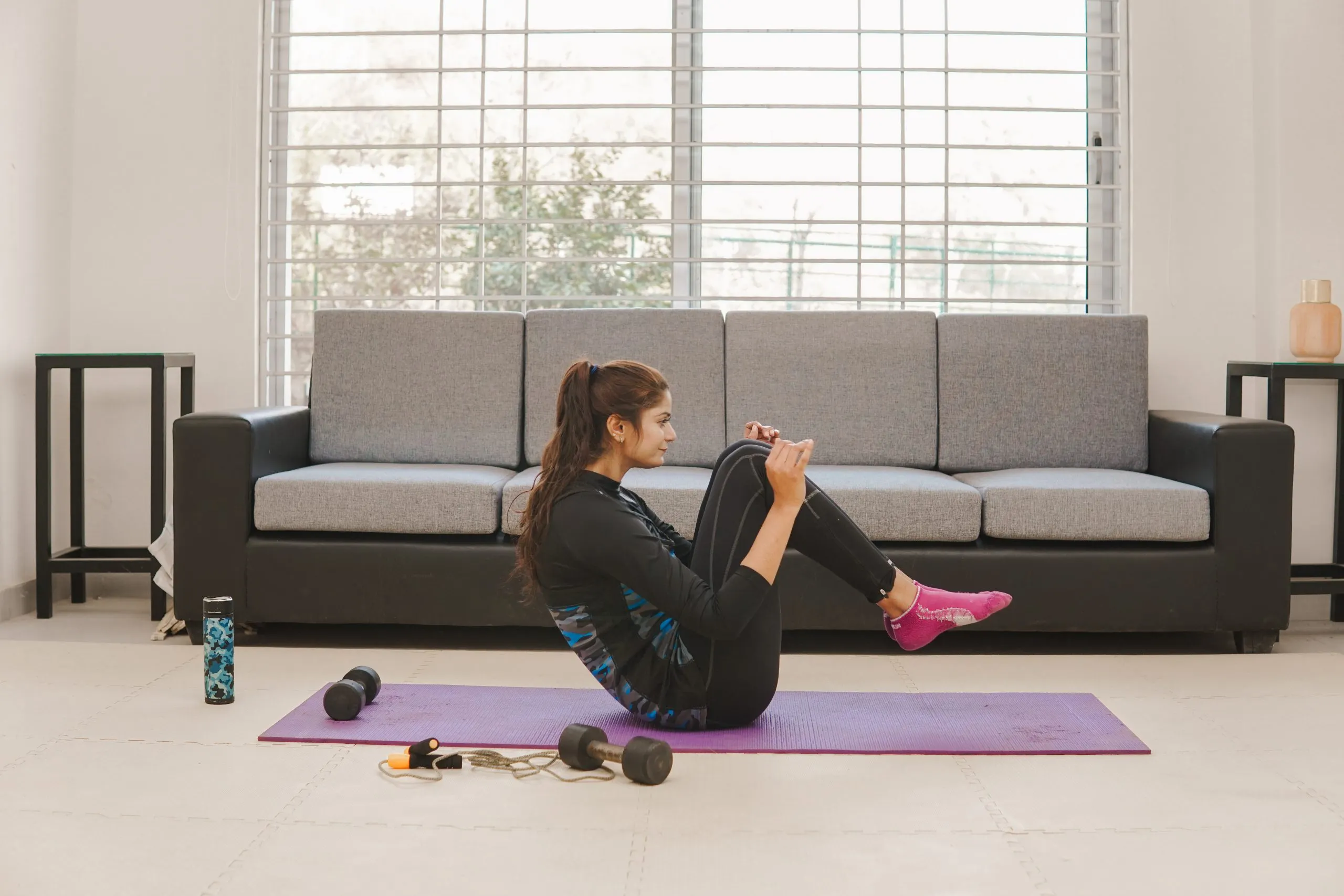
The Philippines has witnessed a growing trend of people prioritizing fitness from the comfort of their homes. With busy lifestyles and limited time for gym visits, many Filipinos are turning to home fitness equipment as a practical solution. The market for home exercise products reached approximately USD 547.33 million and is expected to grow at over 6.4% CAGR, in the upcoming years. Urbanization, health awareness, and easy access to online shopping are driving this shift. As people seek flexible and convenient ways to stay healthy, the home fitness movement is poised to continue its steady rise, influencing both lifestyle choices and consumer spending patterns.
Key Drivers Fueling the Home Fitness Boom in the Philippines
Health Awareness and Lifestyle Changes
More Filipinos are realizing the importance of regular exercise in preventing chronic diseases and improving overall well-being. Home fitness equipment such as treadmills, stationary bikes, and resistance training sets is becoming staples for those looking to maintain a healthy lifestyle. Sedentary jobs and busy routines make at-home solutions especially appealing. The trend is not only about physical health but also mental well-being, as people use exercise to manage stress and improve energy levels. Fitness is increasingly viewed as an investment in long-term quality of life.
Smart Technology and Connected Workouts
The integration of technology into fitness equipment is reshaping the way Filipinos exercise at home. Smart machines with AI-guided workouts, real-time tracking, and mobile app connectivity make workouts more engaging and personalized. Subscription-based platforms allow users to follow live or on-demand classes from anywhere. Younger, tech-savvy users find these features particularly appealing, and the combination of equipment and digital coaching is enhancing motivation and consistency. Fitness has become an interactive experience rather than a routine chore.
Online Shopping and Product Accessibility
The rise of e-commerce platforms has made fitness equipment more accessible across the Philippines, including in areas far from urban centers. Consumers can compare products, read reviews, and purchase items online with convenient delivery and financing options. This has led to increased adoption of both mid-range and premium equipment. Accessibility also encourages experimentation with new fitness trends, from compact machines to virtual reality workout systems. Convenience and choice are key drivers of the market’s continued growth.
Philippine Government Initiatives Encouraging Home Fitness
The Philippine government has been promoting health and wellness programs that indirectly boost the home fitness market. Campaigns focusing on physical activity, obesity prevention, and lifestyle management have increased public awareness of the benefits of regular exercise. Incentives for digital health startups and wellness programs also support innovation in fitness solutions. These initiatives complement consumer interest, making it easier for people to prioritize home-based fitness in their daily routines and long-term health planning.
Competitive Insights of the Philippines Home Fitness Market
The competitive landscape in the Philippines combines global brands like Peloton, NordicTrack, and Life Fitness with local distributors offering more affordable options. Innovative features, digital integrations, and online sales channels are becoming key differentiators. Brands that can offer connected experiences, personalized training, and reliable after-sales support are likely to capture a larger share. The market is dynamic, with room for both traditional and tech-enabled fitness solutions to thrive.
Challenges faced in the Philippines Fitness Equipment Market
High Costs of Advanced Equipment
While demand is growing, high prices of smart fitness equipment and subscription fees remain a barrier for many Filipino consumers. Cost considerations are particularly relevant for families and those living outside major cities, where disposable income may be lower. Despite this, mid-range and multifunctional solutions are emerging to bridge the gap, making home fitness more attainable.
Space Constraints in Urban Homes
Limited living space in dense cities restricts the use of bulky machines like treadmills or elliptical trainers. Compact and multifunctional equipment is increasingly preferred, allowing residents to create functional workout areas without compromising living space. This challenge drives innovation in design and encourages brands to focus on space-saving solutions that do not compromise performance.
Future Outlook
As we move ahead, the home fitness equipment market in the Philippines is expected to expand significantly, driven by increasing health awareness, digital innovation, and evolving lifestyle preferences. Connected devices, AI-guided training, and hybrid models combining at-home and gym-linked experiences will become mainstream. E-commerce platforms will continue to improve accessibility, while flexible financing and subscription models make equipment more affordable. As fitness becomes an integral part of daily life, home gyms will be seen not just as luxury items but as essential tools for long-term health and wellness. The next decade promises a more personalized, convenient, and tech-enabled fitness experience for Filipinos.
Consultants at Nexdigm, in their latest publication “Philippines Home Fitness Equipment Market Outlook to 2035” analyze the sector by Product Category (Cardiovascular Equipment, accessories and Support, Strength and Resistant Equipment, Smart Devices), by Price Category (Mass/Economy Tier, Mid-range Products, Premium Tier Equipment).
Nexdigm suggests that businesses should focus on offering affordable, compact, and digitally connected home fitness solutions tailored to Philippine consumers. They should integrate app-based coaching, personalized workout programs, flexible pricing, and strong after-sales support to improve engagement, retention, and long-term growth in the expanding the Philippines home fitness equipment market.
To take the next step, simply visit our Request a Consultation page and share your requirements with us.
Harsh Mittal
+91-8422857704