
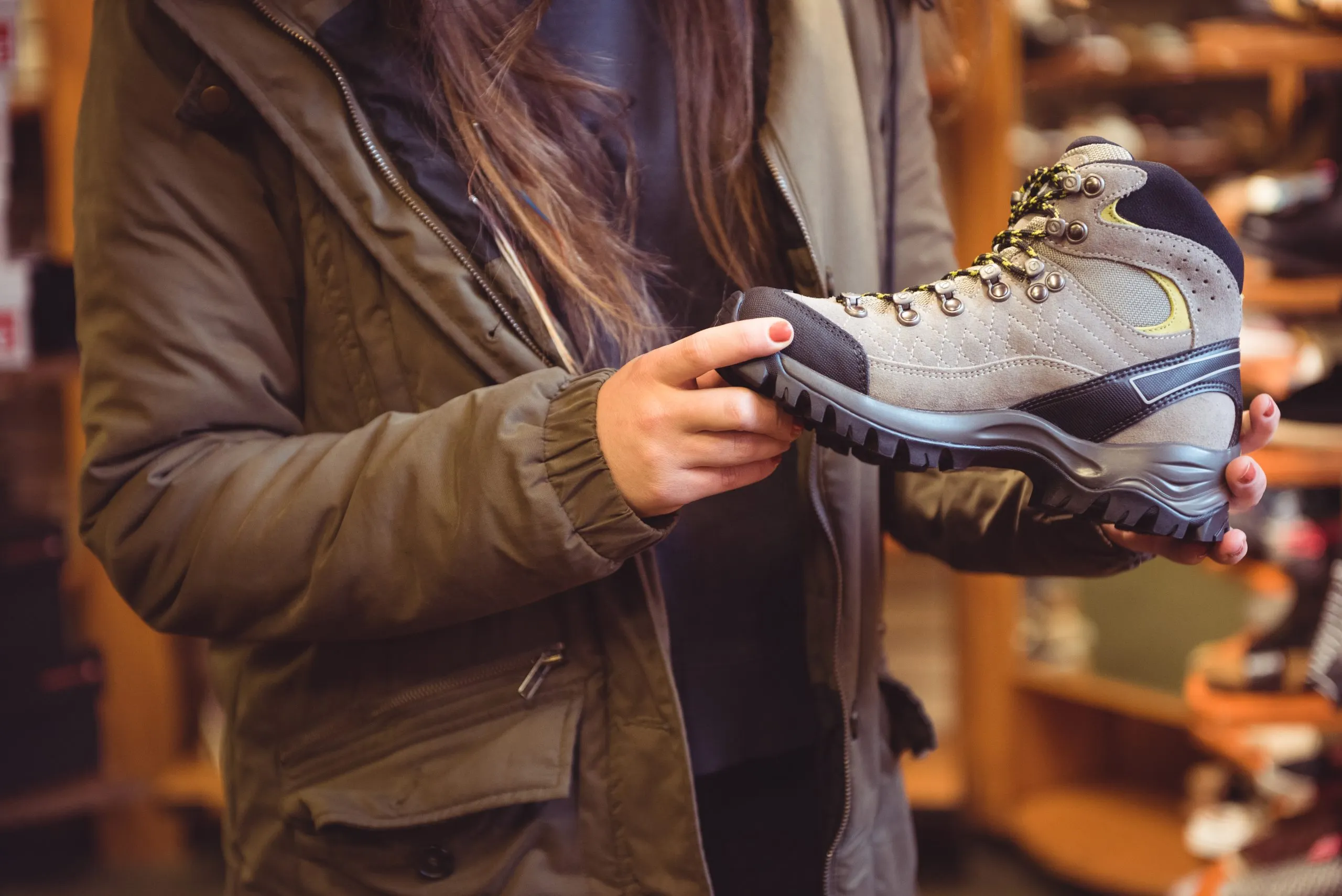
The Philippines industrial protective footwear market is expected to grow steadily in the future, as companies pay closer attention to workplace safety, injury prevention, and compliance. Safety shoes and boots are used across construction, manufacturing, mining, logistics, utilities, oil & gas, and chemicals, where workers may face falling objects, sharp debris, wet floors, electrical hazards, heat, and chemical exposure. The Philippines PPE market is expected to grow rapidly, supported by urbanization, construction activity, manufacturing growth, safety regulations, and stronger corporate safety practices. This creates a favorable environment for protective footwear suppliers. As more employers’ link safety with productivity, protective footwear is becoming a practical workplace necessity rather than a basic uniform item.
What Is Pushing Demand for Industrial Protective Footwear in the Philippines Market?
Construction and Infrastructure Are Creating Steady Demand
Construction remains one of the strongest demand areas for protective footwear in the Philippines. Workers on building sites, road projects, power projects, transport infrastructure, and real estate developments need shoes and boots that can protect them from falling materials, nails, sharp debris, wet ground, concrete exposure, and heavy machinery. These risks make safety footwear a daily requirement on active worksites. As contractors focus more on site safety, certified footwear is likely to gain preference over basic low-cost options.
Manufacturing, Logistics, and Warehousing Are Expanding Usage
Manufacturing and logistics are also important contributors to safety footwear demand. In factories, workers may face hazards from machinery, oils, chemicals, slippery floors, sharp materials, and prolonged standing. In warehouses and logistics facilities, footwear needs to support grip, flexibility, comfort, and protection during fast-moving operations. For the Philippines, as companies modernize factories, improve supply chains, and place more attention on worker safety. Footwear that combines durability, comfort, and compliance will likely see stronger adoption. As warehouse and logistics activity expands, demand for lightweight and slip-resistant safety shoes is also expected to increase.
Workers Need Footwear That Feels Practical for Daily Use
Industrial footwear buyers are increasingly looking beyond basic toe protection. Workers often spend long hours standing, walking, lifting, climbing, or operating equipment, so footwear comfort has become a practical safety issue. Poorly fitted or heavy shoes can reduce compliance and make daily work harder. Demand is rising for lightweight safety shoes, breathable materials, anti-fatigue soles, slip-resistant outsoles, water-resistant boots, electrical hazard protection, and chemical-resistant footwear. Construction sites may need rugged boots, warehouses may need flexible anti-slip shoes, while utilities and chemical facilities may require more specialized protection. This shift is creating opportunities for suppliers that offer footwear designed around actual job conditions.
Government Support boosting the Philippines Safety Footwear Market
The Philippines has strengthened its occupational safety framework through Republic Act No. 11058, which focuses on compliance with occupational safety and health standards and provides penalties for violations. Guidance on occupational safety and health standards also states that employers should provide workers with PPE for body parts exposed to hazards, and such PPE should be provided free of charge. These rules support demand for protective footwear across construction, manufacturing, logistics, mining, utilities, and other high-risk sectors. As safety inspections, contractor requirements, and internal audits become more structured, companies are expected to treat certified safety footwear as a core part of workplace risk management. Stronger safety awareness will also encourage employers to replace worn-out or unsuitable footwear more consistently. This can create recurring demand for reliable and compliant products.
Competitive Landscape of the Philippines Protective Footwear Market
The Philippines industrial protective footwear market includes international safety footwear brands, local PPE suppliers, regional distributors, importers, wholesalers, and private-label providers. Competition is shaped by price, durability, certification, comfort, availability, and suitability for specific work environments. Large buyers usually prefer suppliers that can provide steady stock, bulk delivery, and product documentation. International brands often compete through stronger safety features, tested materials, and specialized footwear ranges. Local and regional suppliers compete through affordability, faster delivery, and relationships with contractors, factories, and industrial buyers. As the market becomes more safety-conscious, suppliers offering certified, comfortable, and job-specific footwear will be better positioned to build long-term demand.
Market Challenges facing the Philippines Safety Footwear Industry
Price Pressure and Cheaper Alternatives
Price sensitivity remains a major challenge, especially among smaller contractors, informal businesses, and cost-conscious industrial buyers. Some companies may choose cheaper footwear that provides limited durability or weaker protection. While this reduces upfront cost, it can increase replacement frequency, injury risk, and compliance gaps over time. This creates a gap between safety requirements and actual product quality.
Comfort, Climate, and Worker Compliance Issues
Protective footwear only works when workers wear it properly and consistently. In the Philippines’ warm and humid working conditions, heavy or poorly ventilated footwear can become uncomfortable during long shifts. If footwear causes discomfort, workers may avoid using it correctly even when it is required. This makes comfort and fit important market factors, not just product add-ons. Lightweight materials, breathable uppers, better cushioning, and slip-resistant soles will become more important for daily worker acceptance. Employers will also need to ensure proper sizing, timely replacement, and worker training. Footwear that fits real working conditions will have stronger adoption than products focused only on basic protection.
Future Outlook
By the next decade, the Philippines industrial protective footwear market is expected to become more organized, compliance-driven, and application-specific. Demand will be supported by construction activity, manufacturing development, logistics growth, infrastructure projects, utilities, and rising workplace safety awareness. The global industrial protective footwear market is projected to grow rapidly, showing strong long-term momentum for the category. Future demand in the Philippines is likely to favor certified, durable, lightweight, and comfortable footwear. Safety boots for construction, slip-resistant warehouse shoes, electrical-hazard footwear, and chemical-resistant industrial boots are expected to see wider adoption. Suppliers that combine affordability, compliance, comfort, and reliable distribution will be better positioned for growth in the upcoming years.
Consultants at Nexdigm, in their latest publication “Philippines Industrial Protective Footwear Market Outlook to 2035,” analyzed the market by Product Type (Steel Toe, composite Toe, Electrical Hazard, Metatarsal Guard, Puncture Resistant), by Distribution Channel (Industrial Distributor, B2B Procurement Portals, E Commerce Platforms, OEM Safety Contracts).
Nexdigm believes businesses should focus on growth, innovation, and long-term value creation while trusted advisors manage operational, regulatory, tax, accounting, and compliance complexities. By simplifying business processes and supporting informed decision-making, Nexdigm helps organizations stay agile, reduce risk, and concentrate on building stronger, more sustainable enterprises.
To take the next step, simply visit our Request a Consultation page and share your requirements with us.
Harsh Mittal
+91-8422857704