
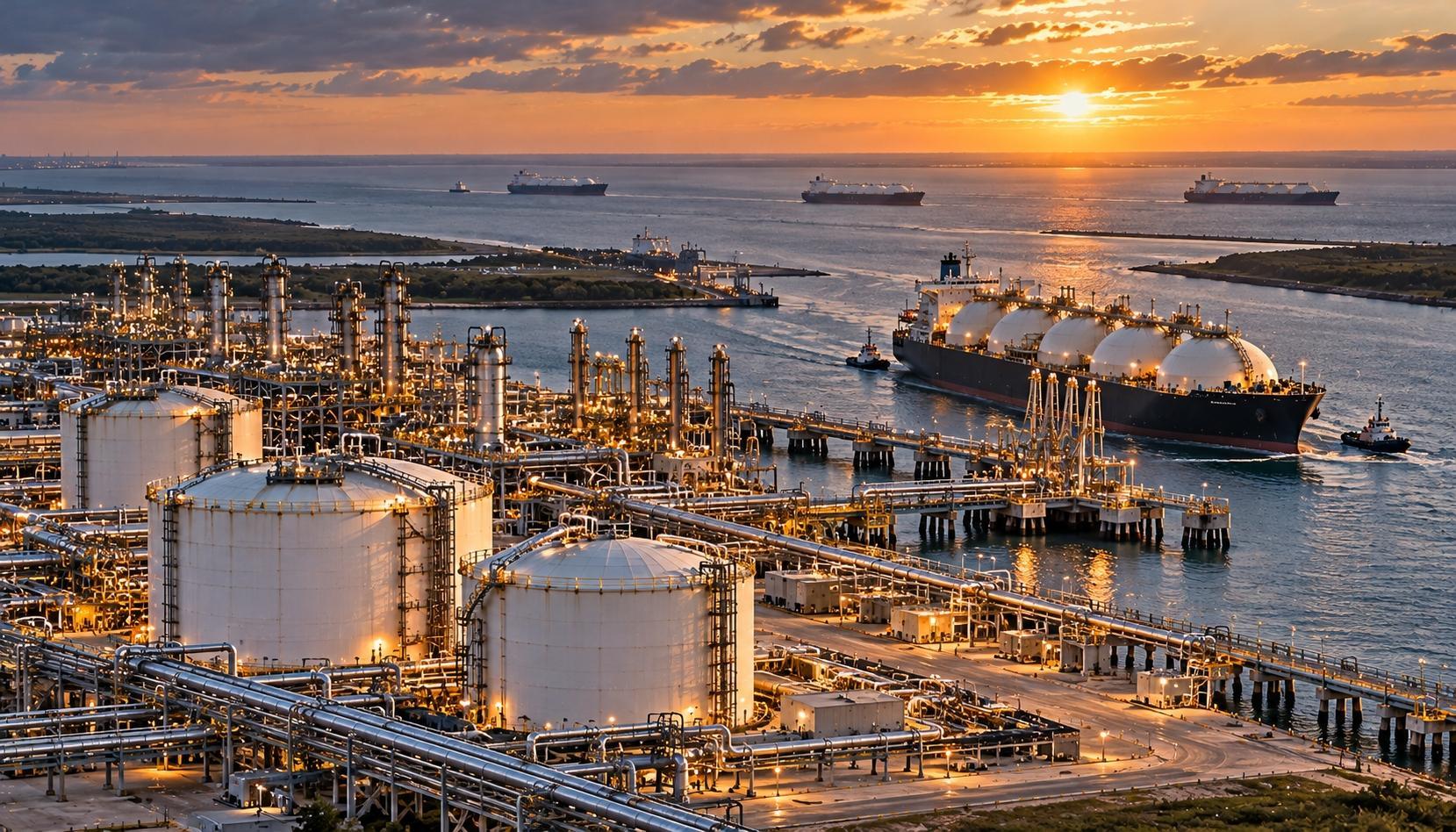
The Philippines is undergoing a significant transformation in its energy landscape, with Liquefied Natural Gas (LNG) infrastructure emerging as a critical pillar of energy security. As domestic natural gas production from the Malampaya gas field gradually declines, the country is accelerating investments in LNG import terminals, storage facilities, and regasification infrastructure. The growing need for reliable power generation, increasing electricity demand, and the push for cleaner alternatives to coal are fueling market momentum. Recent industry developments, including operational LNG terminals and expanding import capabilities, highlight the Philippines’ commitment to ensuring a stable and diversified energy supply for businesses and households alike.
Market Drivers Advancing the Philippines LNG Infrastructure Industry
Rising Electricity Demand Creates Strong Need for LNG Facilities
The Philippines continues to experience increasing electricity consumption due to population growth, urbanization, and industrial expansion. The country’s installed power generation capacity has surpassed 30 GW, with natural gas accounting for a significant share of the Luzon grid’s power supply. As energy demand rises across manufacturing, commercial, and residential sectors, LNG infrastructure becomes essential for ensuring uninterrupted fuel availability. New LNG import terminals are enabling power producers to secure fuel supplies from global markets, reducing dependence on a single domestic gas source. This diversification is strengthening energy resilience while supporting economic growth and industrial development.
Declining Domestic Gas Reserves Accelerate LNG Investments
The gradual depletion of indigenous gas resources has become one of the strongest catalysts for LNG infrastructure development. The Malampaya gas field, which has historically supplied a large portion of the country’s gas-fired power plants, has seen declining production levels over recent years. To address this challenge, energy companies are investing heavily in floating storage regasification units (FSRUs), LNG receiving terminals, and associated pipeline networks. These projects ensure continued fuel availability for existing gas-fired power facilities while creating a foundation for future capacity additions.
Cleaner Energy Transition Encourages Natural Gas Adoption
Businesses and policymakers increasingly view LNG as a practical transition fuel that balances energy security with environmental goals. Compared with coal-fired generation, natural gas produces lower carbon dioxide emissions and fewer air pollutants. As sustainability becomes a priority across industries, LNG infrastructure projects are gaining traction as part of broader efforts to modernize the Philippine energy sector. The growing preference for cleaner fuels is expected to support continued demand for LNG imports and infrastructure expansion throughout the coming decade.
Government Initiatives Supporting the Philippines LNG Infrastructure Sector
The Philippine government has actively promoted investments in LNG infrastructure through regulatory reforms, energy diversification strategies, and private-sector participation initiatives. Energy authorities have introduced policies that facilitate LNG importation and terminal development while encouraging competition within the natural gas sector. The government’s broader energy security agenda emphasizes reducing fuel supply risks and ensuring stable electricity generation capacity. These supportive measures continue attracting local and international investors to major LNG projects across the country.
Competitive Landscape of the Philippines LNG Infrastructure Industry
The Philippines LNG infrastructure market features participation from domestic energy firms, international LNG suppliers, infrastructure developers, and power generation companies. Major stakeholders are investing in LNG receiving terminals, floating storage facilities, and regasification assets to strengthen supply chains. Strategic partnerships between global LNG providers and local energy companies are becoming increasingly common, enabling technology transfer, operational expertise, and long-term fuel sourcing arrangements. Competition is expected to intensify as new facilities enter commercial operation.
Challenges Facing Philippines LNG Infrastructure Industry
High Capital Investment Requirements
Building LNG terminals, storage tanks, regasification units, and transmission infrastructure requires substantial financial commitments. Project developers often face long payback periods and complex financing arrangements, which can affect investment timelines.
Exposure to Global LNG Price Volatility
The Philippines’ growing dependence on imported LNG exposes buyers to fluctuations in international gas prices. Supply-demand imbalances, geopolitical developments, and shipping costs can influence LNG procurement expenses and impact operational economics for power producers.
Future Outlook
The future of the Philippines LNG infrastructure market appears highly promising as energy security remains a national priority. Continued investment in import terminals, storage facilities, and distribution networks is expected to strengthen the country’s ability to meet rising electricity demand. Growing collaboration between government agencies, private investors, and international LNG suppliers will likely accelerate project development. As the country balances economic growth, sustainability goals, and reliable power generation, LNG infrastructure is poised to become an increasingly important component of the Philippines’ evolving energy ecosystem, supporting long-term energy stability and industrial competitiveness.
Consultants at Nexdigm, in their latest publication “Philippines LNG Infrastructure Market Outlook to 2035” analyze the sector By Infrastructure Facility (Floating Storage Units, Mooring and Berthing Systems and Regasification Modules), By Ownership Structure (Public-Private Partnership Projects and State-Owned Energy Investments) and By Geographic Region (Luzon Grid Infrastructure and Visayas Distribution Nodes).
Nexdigm suggests that businesses in “Philippines LNG Infrastructure Industry” focusses on oilfield, desalination, construction, and industrial applications, strengthen local warehousing, develop application-specific grades, improve technical support, and build resilient sourcing networks to serve expanding energy, water, and manufacturing demand.
To take the next step, simply visit our Request a Consultation page and share your requirements with us.
Harsh Mittal
+91-8422857704