
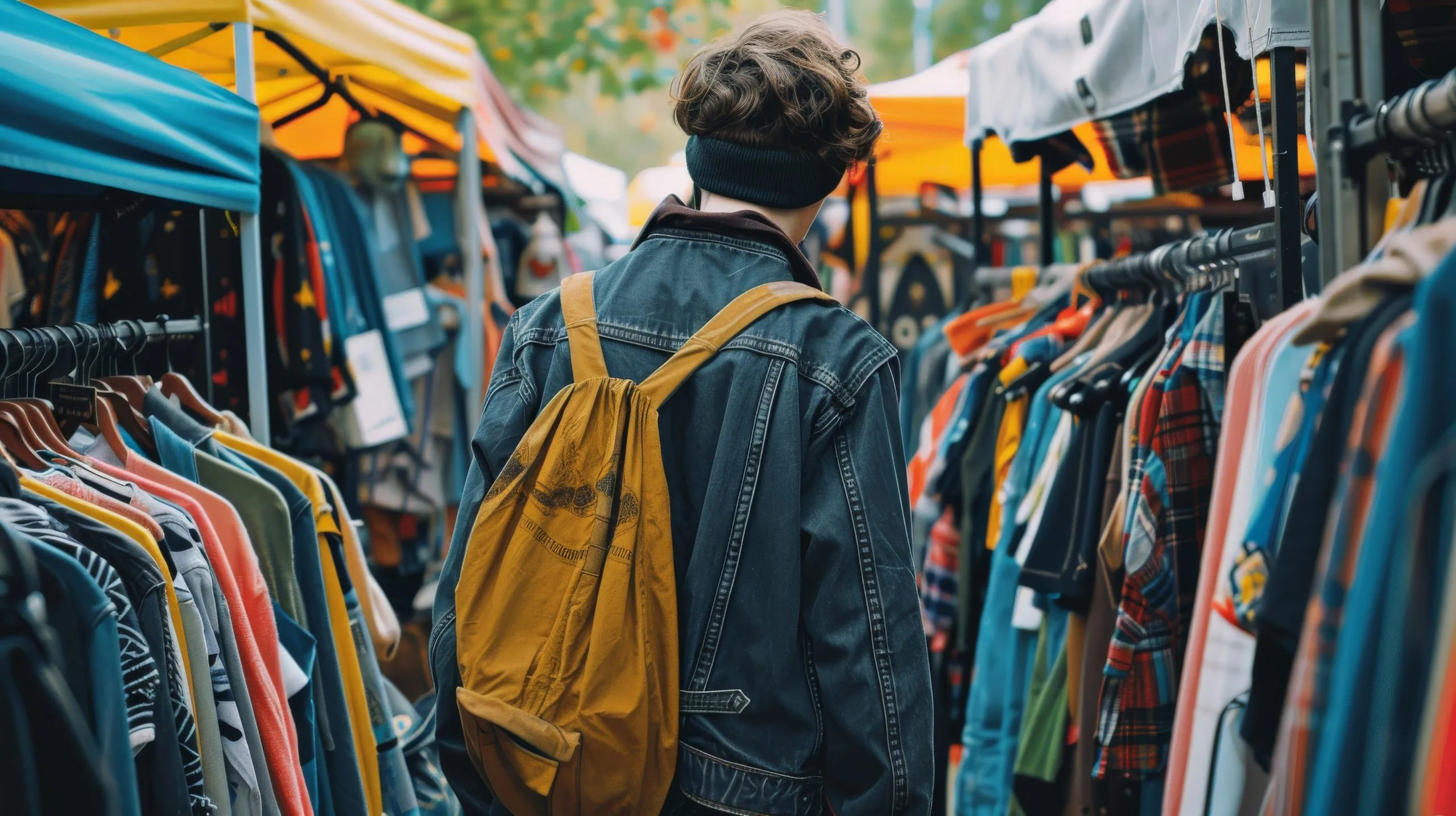
The Philippines outdoor apparel market is gaining momentum as consumers spend more time on travel, fitness, hiking, camping, beach activities, and adventure experiences. The country’s natural landscape, including mountains, islands, beaches, and eco-tourism destinations, supports demand for lightweight, breathable, weather-resistant, and versatile apparel. Asia Pacific outdoor apparel was valued at around USD 5.5 billion in 2025 and is projected to grow at an 8.9% CAGR between 2026 and 2035, creating a positive regional backdrop. In the Philippines, younger consumers are also blending outdoor clothing with everyday athleisure and casual wear.
Key market drivers are strengthening outdoor apparel demand in the Philippines
Adventure tourism and outdoor recreation are increasing product usage
The Philippines has a strong base of nature-led tourism and outdoor recreation, which is supporting demand for functional apparel. Activities such as hiking, island hopping, diving trips, camping, trail walking, cycling, running, and beach travel require clothing that is comfortable, durable, and suitable for warm and humid weather. Consumers are looking for quick-dry shirts, breathable jackets, trekking pants, UV-protective clothing, lightweight shorts, caps, socks, and footwear that can support both travel and daily use. As local tourism and weekend recreation increase, outdoor apparel is becoming more relevant beyond serious adventure users.
Health, fitness, and athleisure trends are expanding the consumer base
Outdoor apparel demand is also growing as more Filipinos adopt active lifestyles. Running clubs, gym routines, hiking groups, wellness communities, and social media-led fitness trends are encouraging consumers to invest in performance clothing. At the same time, athleisure has made outdoor-inspired apparel more acceptable for everyday dressing. Consumers increasingly prefer clothing that looks casual but offers comfort, stretch, sweat management, and easy movement. This shift is helping outdoor brands reach students, young professionals, urban families, and casual fitness users, not only outdoor sports enthusiasts.
E-commerce and brand accessibility are improving market reach
Online shopping platforms, social commerce, and brand websites are making outdoor apparel easier to access across the Philippines. Consumers can compare prices, read reviews, check product features, and buy from both local and international brands. Promotions, influencer marketing, and seasonal travel campaigns are also improving product visibility.
Government initiatives and tourism development are supporting outdoor activity growth
Government support for domestic tourism, eco-tourism, infrastructure development, and destination promotion indirectly benefits the outdoor apparel market. Campaigns that encourage local travel and nature-based experiences can increase consumer participation in hiking, island tours, camping, and recreational sports. Improvements in transport access and tourism facilities also support outdoor movement across provinces. In addition, sustainability awareness around natural destinations is encouraging brands to consider durable materials, responsible sourcing, and practical products suited for local weather and travel needs.
Competitive landscape is becoming more performance and lifestyle focused
The Philippines outdoor apparel market includes international sportswear brands, outdoor specialists, local apparel labels, department store brands, online sellers, and private-label products. Competition is shaped by price, fabric quality, design, durability, weather suitability, brand reputation, and online availability. Premium brands appeal to serious outdoor and travel users, while affordable brands attract casual consumers and budget-conscious shoppers. As outdoor clothing becomes more lifestyle-oriented, brands are competing not only on technical performance but also on comfort, style, and everyday wearability.
Market challenges continue to affect affordability and brand differentiation
Price sensitivity limits premium product adoption
Many consumers remain price-conscious, which can make premium outdoor apparel harder to scale. Imported products, technical fabrics, and branded gear often come at higher price points, limiting access for casual users.
Climate and product suitability require localized design
The Philippines has hot, humid, and rainy conditions, so outdoor apparel must be breathable, quick-drying, lightweight, and weather-appropriate. Products designed for colder climates may not always match local consumer needs.
Future outlook
The future outlook for the Philippines outdoor apparel market remains positive, supported by adventure tourism, fitness culture, e-commerce growth, and rising interest in comfortable performance clothing. Opportunities are expected across lightweight apparel, UV-protective wear, quick-dry fabrics, rain-friendly jackets, hiking basics, travel-friendly clothing, and athleisure-inspired outdoor collections. Brands that understand local climate, price expectations, and lifestyle preferences will be better positioned to grow. As consumers seek clothing that works for travel, fitness, and daily use, outdoor apparel is likely to become a stronger part of the Philippines fashion and sportswear market.
Consultants at Nexdigm, in their latest publication “Philippines outdoor apparel market outlook to 2035,” analyze the sector By Product Category (Top Wear, Bottom Wear, Outerwear, Protective Gear), By Material Technology (Synthetic Performance Fabrics, Natural Fibers, Hybrid Materials)
Nexdigm suggests that businesses in the Philippines outdoor apparel market should focus on lightweight, breathable, and weather-appropriate products that suit the country’s tropical climate and active lifestyles.
To take the next step, simply visit our Request a Consultation page and share your requirements with us.
Harsh Mittal
+91-8422857704