
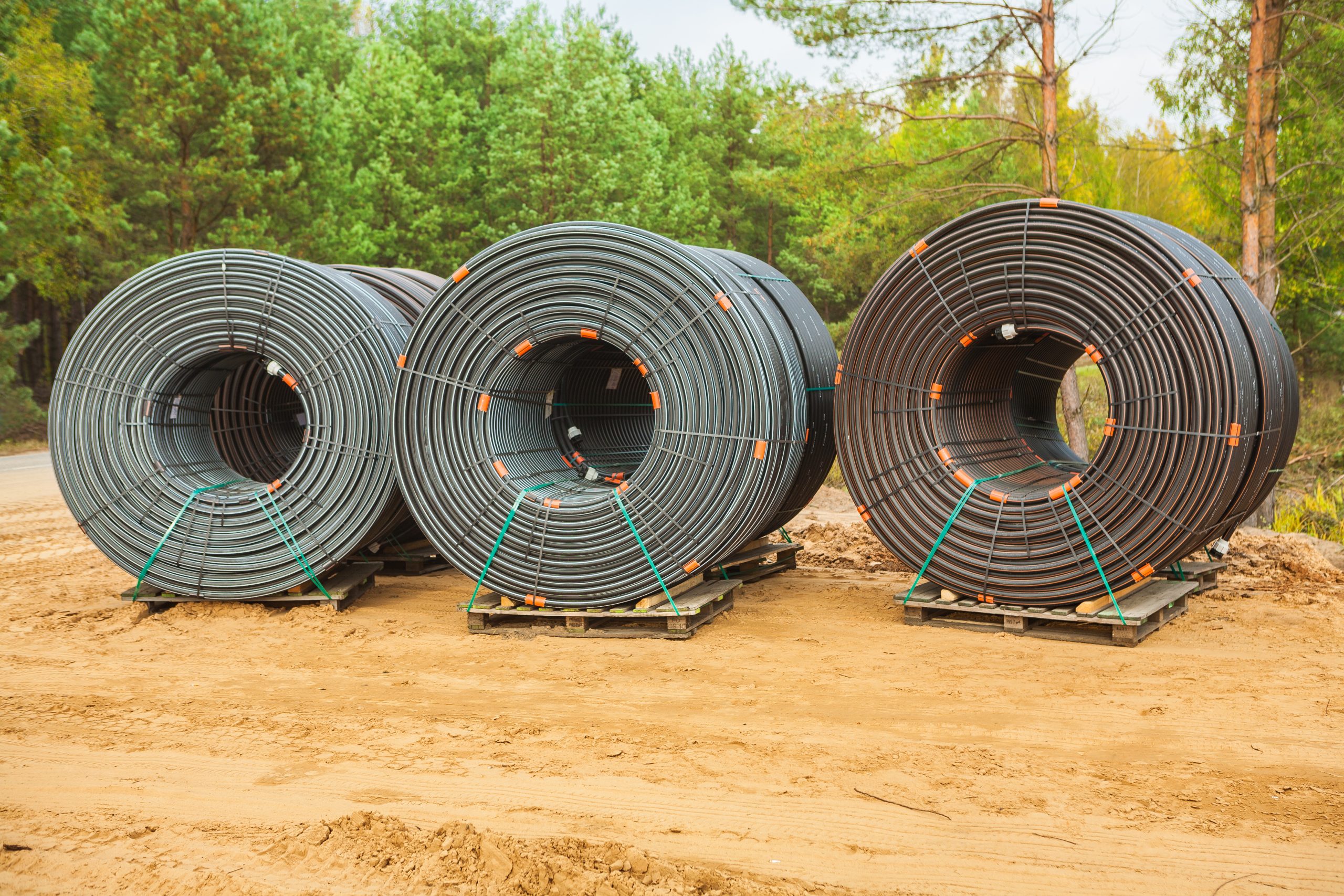
The Philippines plastic pipes and fittings market is expanding as urbanization, housing development, water infrastructure, and sanitation investment increase across the country. PVC, HDPE, PPR, and other plastic piping systems are widely used because they are lightweight, corrosion-resistant, durable, and relatively easy to install. Around 55.2% of the Philippines’ population lived in urban areas in 2024, representing approximately 62.22 million people. At the same time, 97.5% of households had access to improved water supply, supporting continued demand for reliable distribution and plumbing infrastructure.
Market Drivers of the Philippines Plastic Pipes and Fittings Sector
Urbanization Is Expanding Water and Drainage Requirements
Urban development remains one of the strongest drivers of plastic pipe demand. The Philippines’ urban population increased by around 3.29 million people between 2020 and 2024, while the urbanization rate reached 55.2%. Growing cities require new potable-water lines, drainage systems, sewer networks, residential connections, and commercial plumbing. PVC and HDPE systems are especially suitable for these applications because of their corrosion resistance, lighter weight, and installation flexibility.
Water and Sanitation Investment Supports Infrastructure Demand
Water access has improved substantially, but infrastructure upgrades remain important. In 2024, approximately 27.31 million households had access to improved water supply, representing 97.5% of households. Improved sanitation coverage reached 94.8%, or around 26.56 million households. Continued investment in water supply, wastewater collection, sanitation, and rainwater systems creates opportunities for plastic pipes and fittings used in municipal networks, household connections, and treatment facilities.
Construction Activity Supports Plumbing Applications
The Philippines continues to invest heavily in public infrastructure. The Department of Public Works and Highways’ transparency portal records approximately ₱6.4 trillion in infrastructure investment across projects tracked from 2016 to 2026. Residential, commercial, institutional, and public developments all require plastic pipes for water supply, sewage, drainage, HVAC, and utility connections, sustaining demand across multiple product categories.
Government Initiatives Supporting the Philippines Plastic Pipes and Fittings Market
Government programs are increasingly focused on improving water and sanitation services. The Accelerated Water and Sanitation Project in Selected Areas includes construction, rehabilitation, and expansion of water-supply systems, household connections, sanitation facilities, and related infrastructure. DPWH also continues to fund local water-supply, sewerage, septage, and rainwater-collection projects, directly supporting demand for PVC, HDPE, and other durable plastic piping systems.
Competitive Insights of the Philippines Plastic Pipes and Fittings Industry
The Philippines plastic pipes and fittings industry includes domestic manufacturers, regional suppliers, international brands, distributors, and construction-material companies. Competition focuses on pricing, product durability, certification, distribution reach, and availability. Manufacturers serving PVC, HDPE, PPR, drainage, sewerage, irrigation, and industrial applications are positioned to benefit from diversified demand. Strong relationships with contractors, utilities, developers, and hardware distributors remain important for maintaining market reach.
Challenges Affecting the Philippines Plastic Pipes and Fittings Market
Raw Material Volatility Can Pressure Manufacturers
Plastic pipe production depends on PVC, polyethylene, polypropylene, and other resin-based materials. Changes in feedstock prices, energy costs, exchange rates, and import conditions can raise production expenses and pressure manufacturer margins.
Fragmented Infrastructure Can Increase Project Complexity
The Philippines’ island geography can make logistics, transport, and project execution more expensive. Suppliers often need extensive distribution networks and reliable local inventories to serve infrastructure projects efficiently across different regions.
Future Outlook
In the coming years, the Philippines plastic pipes and fittings market should benefit from continued urbanization, water-network development, sanitation improvements, and housing expansion. The opportunity is increasingly about improving service quality and extending reliable infrastructure across fast-growing urban areas. With 55.2% of the population already living in urban communities and 97.5% of households having improved water access, future investment will increasingly focus on network expansion, rehabilitation, drainage, and wastewater systems. Suppliers offering durable products, broad distribution, competitive pricing, and strong project support should remain well positioned as infrastructure development continues.
Consultants at Nexdigm, in their latest publication “Philippines Plastic Pipes and Fittings Market Outlook to 2035,” analyze the sector By Material Type (PVC, CPVC, HDPE, MDPE and PVCO Pipes and Fittings), By Product Type (Pressure, Non-Pressure, Corrugated, DXV Pipes), By Application Type (Municipal Water Distribution System, Residential Plumbing Systems and Electric Conduit Systems).
Nexdigm suggests that businesses in the Philippines Plastic Pipes and Fittings Industry must strengthen regional distribution, target water and sanitation projects, improve product durability, manage raw material risks, and build contractor partnerships to capture infrastructure and urban development opportunities.
To take the next step, simply visit our Request a Consultation page and share your requirements with us.
Harsh Mittal
+91-8422857704