
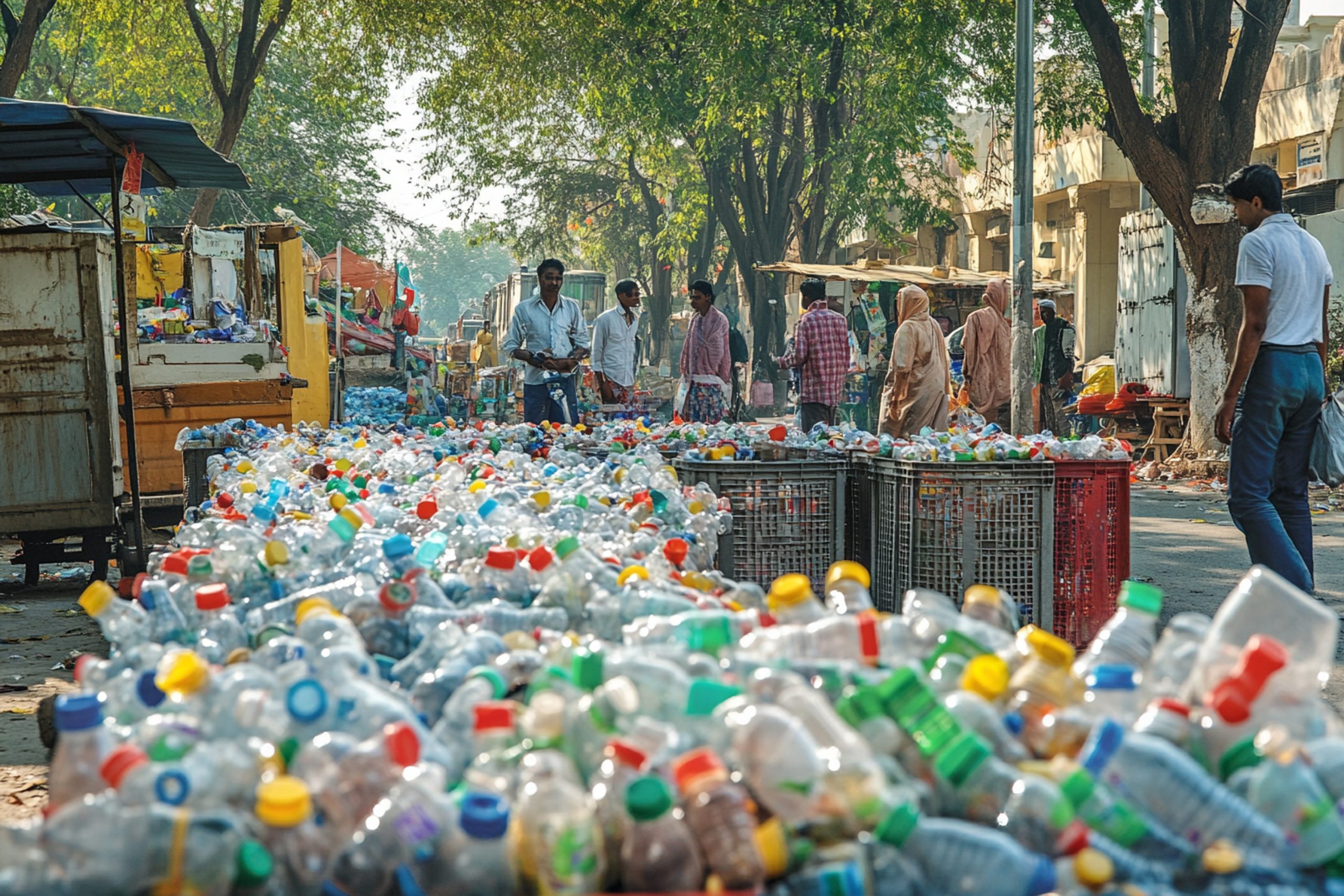
Plastics are deeply embedded in everyday life in the Philippines, from food sachets and beverage bottles to electronics, construction materials, automotive parts, and household products. As consumption and manufacturing expand, however, attention is shifting toward what happens to these materials after use. The country generates around 2.7 million tonnes of plastic waste annually, making recovery and recycling increasingly important. For the plastics industry, this creates a two-sided opportunity: serving growing consumer and industrial demand while finding better ways to design, collect, reuse, and recycle materials across the value chain.
Market Drivers Giving Philippines’ Plastics a New Growth
Everyday Consumption Keeps Packaging at the Center
The Philippines’ large consumer base keeps demand strong for packaged food, beverages, personal care products, household goods, and increasingly e-commerce deliveries. Plastic packaging remains popular because it is lightweight, affordable, and effective at protecting products. Yet manufacturers are being pushed to think differently about packaging. Using less material, simplifying structures, incorporating recycled content, and designing products that are easier to recover are becoming more important as customers and regulators pay greater attention to waste.
Industrial Growth Takes Plastics Beyond Packaging
The market opportunity is also widening beyond everyday consumer products. Electronics, construction, automotive, infrastructure, and other manufacturing industries rely on plastics for durability, flexibility, electrical insulation, corrosion resistance, and lightweighting. As these sectors develop, manufacturers have opportunities to move beyond commodity products toward engineering polymers and customized components that offer greater technical performance and higher value.
Plastic Waste Starts Looking More Like a Resource
One of the Philippines’ biggest challenges could also become an important business opportunity. World Bank research found that only around 28% of key plastic resins were recycled, while more than USD 890 million in material value was being lost annually through discarded recyclable plastics. Better collection, sorting, recycling, and recycled-resin production could help businesses recover some of this lost value while building a stronger domestic circular economy.
Government Policies Affecting the Philippine Plastics Industry
The Philippines’ Extended Producer Responsibility Act is putting more responsibility for plastic packaging into the hands of businesses. Recovery targets rise progressively to 60% in 2026, 70% in 2027, and 80% from 2028 onward. For obligated enterprises, this means recycling can no longer sit on the sidelines. Collection partnerships, packaging redesign, recovery systems, and credible waste-management strategies are becoming part of normal business planning.
Competitive Shifts within the Philippines’ Plastics Industry
The Philippine plastics landscape includes converters, packaging manufacturers, recyclers, resin suppliers, and international companies. Price remains important in a cost-sensitive market, but it is no longer the entire competitive story. Customers increasingly value consistent quality, reliable supply, customized products, recyclability, and manufacturing efficiency. Companies that can combine affordability with better material design and stronger recycling partnerships have an opportunity to stand apart as sustainability expectations rise.
Market Barriers within the Philippines’ Plastics Industry
An Island Economy Makes Collection More Complicated
Recovering plastic waste across thousands of islands creates practical and economic challenges. Transportation costs, fragmented collection systems, and inconsistent waste segregation can make it difficult for recyclers to secure sufficient volumes of clean material. Without stronger collection networks, expanding recycling capacity alone may not be enough to close the loop.
Sachets Remain a Difficult Piece of the Puzzle
Flexible sachets make everyday products affordable and accessible, particularly for lower-income households, but many multilayer formats are difficult to recycle commercially. Historically, more than half of plastic packaging used in the Philippines has consisted of low-value, hard-to-recycle flexible packaging. Finding designs that preserve affordability and convenience while improving recyclability remains one of the industry’s most important challenges.
Future Outlook
The coming years of the Philippines plastics market is likely to be shaped by how effectively the industry connects growth with recovery. Packaging will remain important, while electronics, automotive, construction, infrastructure, and industrial manufacturing can create opportunities for higher-value plastics. At the same time, the move toward an 80% packaging recovery target could stimulate investment in recycling, collection networks, recycled resins, and better product design. Businesses that treat used plastic as a resource rather than simply waste can unlock new value while adapting to a more circular market.
Consultants at Nexdigm, in their latest publication “Philippines Plastics Market Outlook to 2035,” analyze the sector By Polymer Type (Polyethylene, High density Polyethylene, Low Density Polyethylene, Polypropylene, Polyurethane and Polyvinyl Chloride), By Resin Source (Bio based Polymer, Post Industrial Recycled Resin and Post Consumer Recycled Resin).
Nexdigm suggests that businesses in the Philippines Plastic Market should strengthen collection and recycling networks while redesigning products for easier recovery. Companies should build EPR-ready partnerships, expand recycled-material use, modernize processing capabilities, and develop higher-value solutions for packaging, electronics, automotive, construction, and infrastructure applications.
To take the next step, simply visit our Request a Consultation page and share your requirements with us.
Harsh Mittal
+91-8422857704