
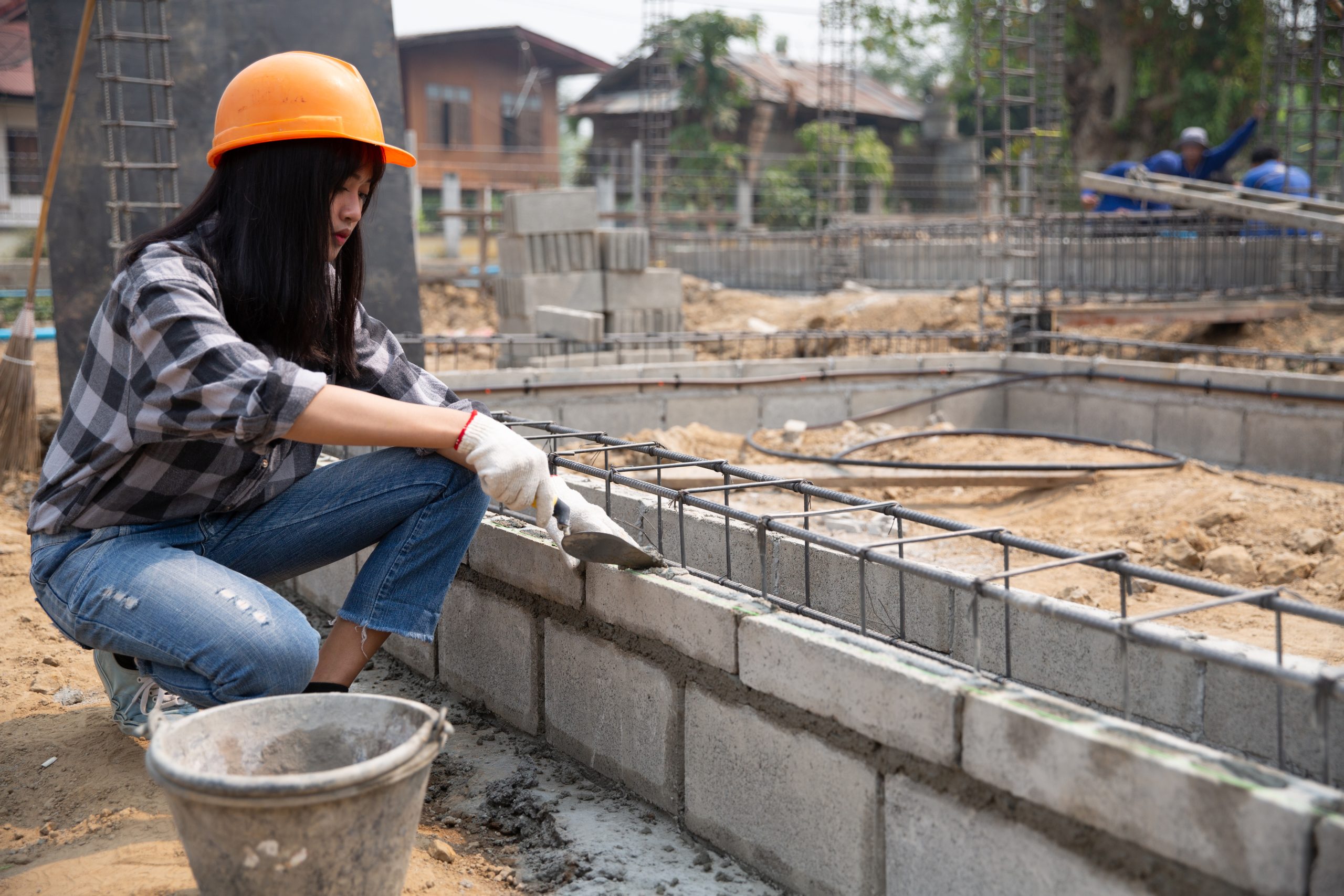
The Philippines precast concrete industry is becoming an essential part of the country’s construction transformation. As cities expand and infrastructure projects become larger and more complex, builders are increasingly looking for faster, more reliable ways to deliver projects. Precast concrete offers exactly that. Manufactured in controlled facilities and assembled on-site, these components help reduce construction time, improve quality, and lower material waste. With the Philippine construction sector contributing around 7% to the national GDP and backed by massive infrastructure investments worth up to ₱10.4 trillion, demand for precast concrete solutions continues to strengthen across residential, commercial, and infrastructure applications.
Market Drivers Of Philippines Precast Concrete Industry
Philippines Infrastructure Expansion Creating Strong Demand for Precast Solutions
One of the biggest growth drivers for the Philippines precast concrete market is the country’s ongoing infrastructure boom. Under the Build Better More program, nearly 200 flagship projects are being developed across transportation, aviation, railways, roads, bridges, and water infrastructure. The scale of these investments is encouraging contractors to adopt construction methods that can accelerate project completion while maintaining high structural standards. Precast concrete components are increasingly being used in bridges, tunnels, stations, and public infrastructure because they can be manufactured off-site and installed quickly.
Growing Urban Communities Fueling the Philippines Precast Concrete Industry
The Philippines continues to experience rapid urbanization, creating sustained demand for residential housing and mixed-use developments. As more families move toward economic centers such as Metro Manila, Cebu, and Davao, developers are under pressure to build quality housing more efficiently. Precast concrete systems help meet this demand by shortening construction schedules, reducing labor requirements, and improving consistency across projects. This makes them particularly attractive for large-scale residential and affordable housing developments.
Sustainable and Faster Building Practices Supporting Market Adoption
Today’s developers are focused not only on speed but also on sustainability. Precast concrete aligns well with these goals because production takes place in a controlled environment, reducing material waste and improving resource efficiency. At the same time, labor shortages and rising construction costs are encouraging contractors to embrace modern construction techniques. These advantages are helping precast concrete gain wider acceptance across commercial, industrial, educational, and healthcare projects throughout the country.
Government Support For Philippines Precast Concrete Industry
Government investment remains a major catalyst for industry growth. Through the Build Better More initiative, public authorities are prioritizing transportation networks, water infrastructure, and regional connectivity projects. Infrastructure spending has increased significantly over the last decade, creating long-term opportunities for suppliers of construction materials and engineered building solutions. As project owners seek to improve efficiency and meet completion deadlines, precast concrete is expected to play an increasingly important role in government-backed developments.
Competitive Landscape Across the Philippines Precast Concrete Sector
The Philippines precast concrete market features a mix of local manufacturers, regional suppliers, and integrated construction companies. Competition revolves around production capacity, product quality, logistics capabilities, and technical expertise. Many companies are investing in advanced manufacturing technologies and automated production systems to improve efficiency and meet growing project requirements. Strategic collaborations with developers, contractors, and infrastructure agencies are also helping market participants strengthen their presence in an increasingly competitive landscape.
Market Challenges Of Philippines Precast Concrete Industry
High Capital Requirements for Manufacturing Facilities
Despite strong growth prospects, entering the precast concrete business requires considerable investment. Manufacturers must allocate significant capital toward specialized machinery, molds, production facilities, and transportation equipment. These costs can create barriers for smaller companies looking to expand their presence in the market.
Logistics Challenges Across the Philippine Archipelago
Transporting large precast components across islands and densely populated urban regions remains a challenge. Delivery costs, handling requirements, and transportation limitations can affect project schedules and profitability. As the market expands, companies will need efficient logistics strategies to overcome these operational hurdles.
Future Outlook
Looking ahead, the Philippines precast concrete industry is expected to benefit from a powerful combination of infrastructure modernization, urban population growth, and increasing adoption of industrialized construction methods. As developers continue seeking faster, smarter, and more sustainable ways to build, precast concrete will become a preferred solution across multiple sectors. With construction activity remaining strong and billions of pesos committed to future infrastructure development, the market is well positioned for steady expansion through 2035, creating opportunities for manufacturers, contractors, and investors alike.
Consultants at Nexdigm, in their latest publication “ Philippines Precast Concrete Market Outlook to 2035“, analyze the sector By Product Type (PC Piles, PHC Piles, Hollow-Core and Precast Floor Slabs), By Structural System (Reinforced Precast Concrete Systems, Pre-Tensioned Concrete Systems and Architectural Precast Concrete Systems) and By Application (Road and Expressway Infrastructure, Warehouses and Logistics Facilities, and Utility Infrastructure).
Nexdigm suggests that businesses in the Philippines Precast Concrete Industry focusses on oilfield, desalination, construction, and industrial applications, strengthen local warehousing, develop application-specific grades, improve technical support, and build resilient sourcing networks to serve expanding energy, water, and manufacturing demand.
To take the next step, simply visit our Request a Consultation page and share your requirements with us.
Harsh Mittal
+91-8422857704