
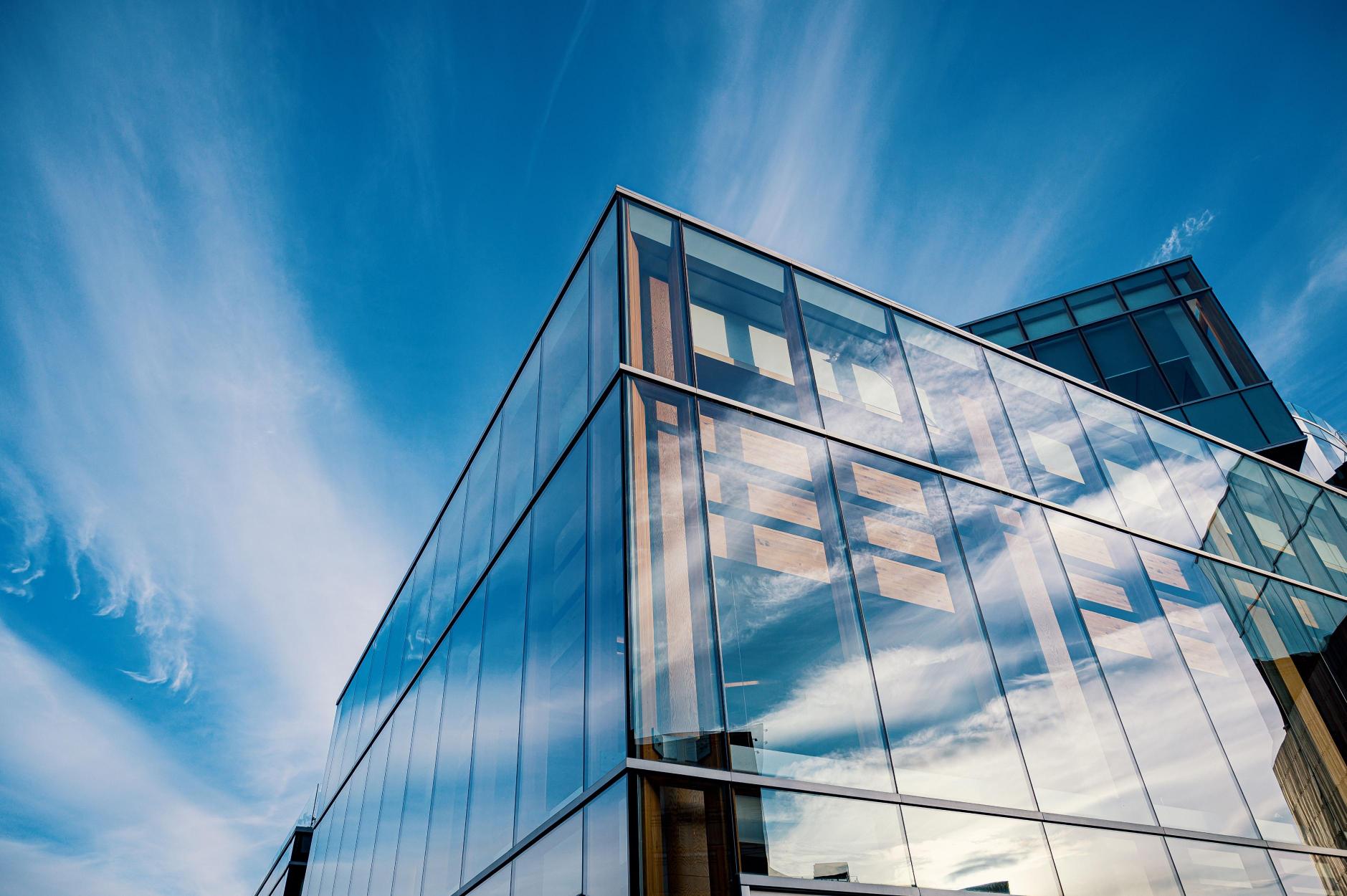
The Philippines rainscreen cladding market is experiencing steady growth, supported by rising construction activity, urbanization, and increasing demand for modern building envelope solutions. Rainscreen cladding systems are widely used in commercial buildings, residential towers, institutional facilities, and industrial projects due to their ability to improve aesthetics, weather resistance, thermal performance, and energy efficiency. The market is benefiting from the expansion of high-rise developments across Metro Manila and other emerging urban centers. Growing investments in construction and infrastructure projects continue to create opportunities for the adoption of advanced façade and cladding materials.
Market Drivers Advancing the Philippines Rainscreen Cladding Growth
Rising Construction Activity Across the Philippines
The expansion of the construction sector remains the primary driver of the Philippines rainscreen cladding market. The number of approved construction projects increased from approximately 171,268 to 180,341, while total floor area expanded from 41.47 million square meters to 42.84 million square meters. This rise in construction activity has increased demand for durable exterior building materials, including ventilated façades, fiber cement panels, aluminum composite panels, and metal cladding systems. Developers are increasingly incorporating rainscreen cladding solutions into commercial complexes, office buildings, residential towers, and mixed-use developments to enhance durability and reduce maintenance costs. The trend toward energy-efficient and sustainable building designs is also encouraging the adoption of advanced façade systems.
Growth in High-Rise and Urban Development Projects
Metro Manila, CALABARZON, and Central Luzon have emerged as major demand centers for rainscreen cladding products. Rapid urbanization, population growth, and the development of commercial hubs have increased the number of high-rise projects requiring modern building envelope solutions. In Metro Manila, approved-building floor area increased from approximately 4.85 million square meters to 5.74 million square meters, reflecting strong demand for residential and commercial developments. High-rise structures increasingly utilize rainscreen cladding because of its ability to improve weather protection, thermal insulation, and architectural appeal while meeting modern construction standards.
Increasing Construction Value and Investment
The total construction value in the Philippines grew from PHP 515.30 billion to PHP 563.89 billion, demonstrating continued investment in residential, commercial, industrial, and public infrastructure projects. Larger project budgets allow developers to adopt premium exterior materials that offer long-term performance benefits. As architects and builders focus on sustainability and building efficiency, rainscreen cladding systems are becoming a preferred choice across new construction and renovation projects.
Government Initiatives Supporting Philippines Rainscreen Cladding Industry
The Philippine government continues to support growth in the construction sector through infrastructure modernization, urban development programs, and investments in transportation, public facilities, and housing projects. Initiatives promoting sustainable construction and resilient infrastructure encourage the use of high-performance building materials. Additionally, government-backed urban expansion projects and regional development programs are creating new opportunities for façade and cladding manufacturers serving commercial and institutional construction markets.
Competitive Landscape of Philippines Rainscreen Cladding Sector
The Philippines rainscreen cladding market is moderately competitive, with participation from international and regional manufacturers offering aluminum composite panels, fiber cement boards, metal cladding systems, and ventilated façade solutions. Market players compete through product quality, design flexibility, durability, technical support, and sustainability features. Companies are also strengthening relationships with architects, façade consultants, contractors, and developers to secure major commercial and residential projects across key urban centers.
Challenges Impacting Philippines Rainscreen Cladding Industry
Volatility in Raw Material Prices
Manufacturers face challenges from fluctuating prices of aluminum, steel, fiber cement components, and other construction materials. These cost variations can impact production expenses, profitability, and project pricing, creating uncertainty for suppliers and contractors.
Limited Skilled Installation Resources
Proper installation is critical for rainscreen cladding performance. A shortage of specialized façade installation professionals in certain regions may increase project timelines and costs. Training requirements and technical complexity can also create barriers for wider adoption, particularly in smaller construction projects.
Future Outlook
The future of the Philippines rainscreen cladding market remains positive, supported by expanding construction activity, urbanization, and rising demand for sustainable building solutions. Continued growth in high-rise residential, commercial, and mixed-use developments is expected to strengthen demand for advanced façade systems. Increasing construction value, modernization of urban infrastructure, and greater awareness of energy-efficient building practices will further support market expansion. As developers prioritize durability, aesthetics, and environmental performance, rainscreen cladding solutions are expected to play an increasingly important role in the Philippines construction industry.
Consultants at Nexdigm, in their latest publication “Philippines Rainscreen Cladding Market Outlook to 2035 ,” analyze the sector By (Market Definitions and Assumptions, Philippines Rainscreen Cladding Market Classification, Building-Envelope Scope, Rainscreen Facade System Mapping, Ventilated Facade Assessment,).
Nexdigm suggests that businesses in the Philippines Rainscreen Cladding Industry focus on expanding their presence in high-growth construction hubs, strengthening partnerships with developers and architects, and offering innovative façade solutions that address evolving performance, sustainability, and design requirements.
To take the next step, simply visit our Request a Consultation page and share your requirements with us.
Harsh Mittal
+91-8422857704