
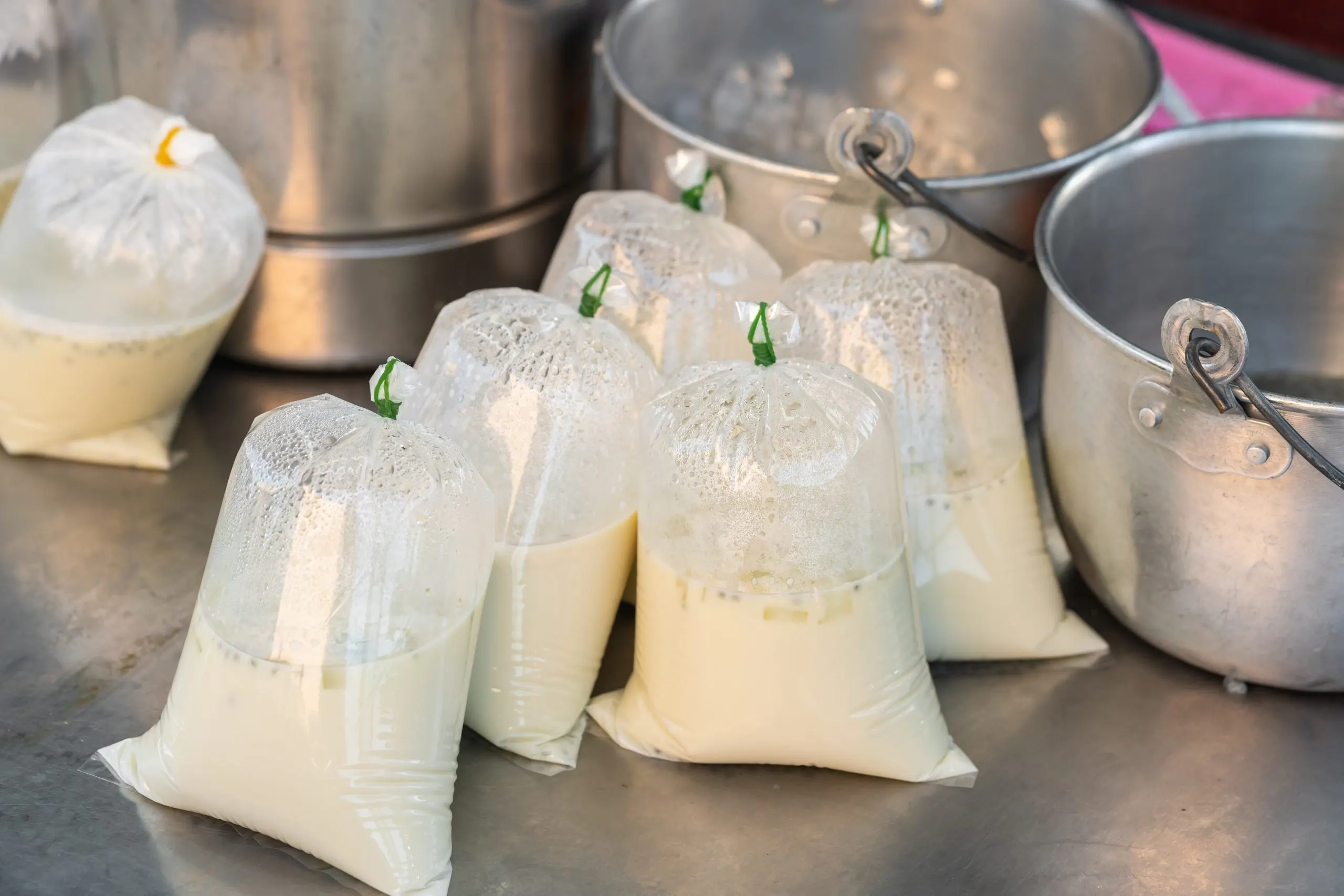
The Philippines Reconstituted Milk Market is evolving rapidly as consumers increasingly seek affordable, nutritious, and convenient dairy products. Reconstituted milk, typically produced by mixing milk powder with water, plays a vital role in meeting the country’s dairy requirements due to limited domestic milk production. Dairy import volumes increased from approximately 2.91 million MT LME to 3.50 million MT LME, highlighting the growing dependence on imported dairy ingredients to support local consumption. Rising urbanization, expanding retail networks, and increasing awareness of nutritional benefits are further driving demand, making reconstituted milk a key component of the Philippine dairy industry.
Key Growth Drivers Powering the Philippines Reconstituted Milk Market
Rising Dependence on Imported Milk Powder and Dairy Ingredients
One of the strongest growth drivers of the Philippines Reconstituted Milk Market is the country’s reliance on imported dairy products. Domestic milk production increased from around 29.1 thousand MT to nearly 33 thousand MT, but this remains insufficient to meet nationwide demand. As a result, milk powder imports from countries such as the United States and New Zealand continue to play a critical role in supplying the market. Skim milk powder (SMP) remains the most widely used ingredient for reconstituted milk production due to its affordability, versatility, and suitability for dairy beverages, yogurt, bakery products, and other food applications. This dependence on imported dairy solids ensures a consistent supply of dairy products throughout the year.
Expanding Demand for Convenient and Shelf-Stable Dairy Products
Consumer lifestyles across the Philippines are becoming increasingly fast-paced, creating strong demand for convenient and long-lasting food products. Reconstituted milk and UHT milk products offer extended shelf life and can be distributed efficiently through supermarkets, sari-sari stores, and modern retail outlets. The country’s unique “tingi-tingi” purchasing culture has also supported the popularity of milk powders sold in sachets and small packs. These affordable formats allow consumers across various income levels to access dairy nutrition while managing household budgets more effectively.
Growth in Foodservice, Coffee Shops, and Dairy-Based Beverages
The rapid expansion of cafés, milk tea outlets, bakeries, and quick-service restaurants is significantly supporting the Philippines Reconstituted Milk Market. Reconstituted milk is frequently used in coffee beverages, milk tea preparations, desserts, confectionery products, and baked goods because it provides consistency and cost efficiency. Urban centers such as Metro Manila, CALABARZON, Central Luzon, Central Visayas, and Davao continue to witness rising consumption of dairy-based beverages. This trend, coupled with growing disposable incomes, is creating new opportunities for dairy manufacturers and ingredient suppliers.
Government and Nutrition Programs Supporting the Philippines Reconstituted Milk Market
Government programs aimed at improving nutrition and food security are contributing positively to the Philippines Reconstituted Milk Market. School milk-feeding initiatives and nutrition-focused policies encourage greater dairy consumption, particularly among children and underserved communities. Additionally, efforts to strengthen domestic dairy production and improve supply chain resilience are helping support long-term industry development. Public and private investments in dairy farming, processing capabilities, and milk collection systems are expected to gradually enhance local production while supporting nutritional goals nationwide.
Competitive Landscape of the Philippines Reconstituted Milk Market
The Philippines Reconstituted Milk Market is highly competitive, with multinational dairy companies, domestic food manufacturers, and import-led dairy brands competing across various product categories. Companies with strong portfolios in milk powder, evaporated milk, condensed milk, and UHT milk maintain significant market influence. Competition centers on product affordability, nutritional fortification, brand recognition, and distribution reach. Market players are increasingly investing in fortified milk products, innovative packaging, and wider retail coverage to strengthen customer engagement and capture growing demand.
Key Challenges Facing the Philippines Reconstituted Milk Market
Heavy Dependence on Dairy Imports
One of the major challenges facing the Philippines Reconstituted Milk Market is its reliance on imported dairy ingredients. Global fluctuations in milk powder prices, freight costs, and foreign exchange rates can directly impact product pricing and profitability. Manufacturers must continuously manage supply chain risks and sourcing strategies to ensure stable product availability in an increasingly competitive environment.
Limited Domestic Milk Production
Despite ongoing dairy development initiatives, local milk production remains relatively low compared to overall demand. This imbalance increases dependence on imported ingredients and exposes the market to international supply disruptions. Improving farm productivity and expanding domestic dairy infrastructure will be critical for enhancing long-term market resilience and reducing import dependency.
Future Outlook
The future of the Philippines Reconstituted Milk Market appears highly promising, supported by continued urbanization, rising dairy consumption, and growing health awareness among consumers. The broader Philippine dairy market is valued at nearly USD 21 billion and is projected to continue expanding steadily, creating favorable conditions for reconstituted milk products. Emerging trends such as fortified milk powders, functional nutrition products, premium dairy beverages, and expanding e-commerce distribution channels are expected to drive future growth. As consumers increasingly prioritize convenience, affordability, and nutritional value, reconstituted milk will remain an essential component of the Philippine dairy landscape. Continued investments in local dairy development and product innovation will further strengthen long-term opportunities.
Consultants at Nexdigm, in their latest publication “Philippines Reconstituted Milk Market Outlook to 2035,” analyze the sector By Product Type (Powdered Reconstituted Milk, Liquid Reconstituted Milk, Recombined Evaporated Milk), By Application (Household Drinking Milk, Coffee and Chocolate Beverage Whitening, Breakfast Cereal Consumption).
Nexdigm suggests that companies should focus on nutrition-led innovation, affordable product formats, stronger supply chain partnerships, and expanded retail penetration to capitalize on the growing opportunities within the Philippines Reconstituted Milk Market.
To take the next step, simply visit our Request a Consultation page and share your requirements with us.
Harsh Mittal
+91-8422857704