
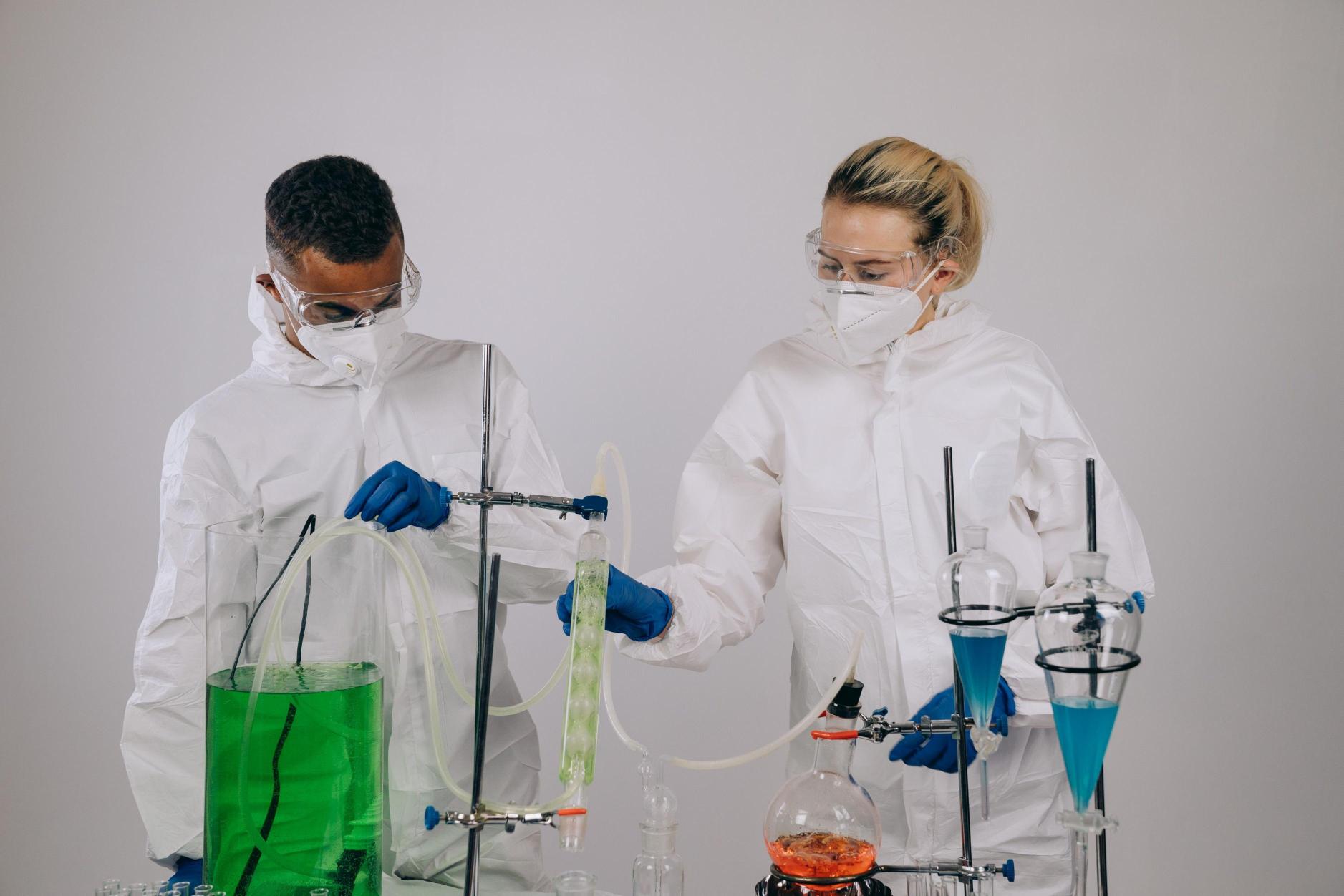
The Philippines Repair and Rehabilitation Chemicals industry is gaining momentum as construction activity and infrastructure maintenance requirements expand across the country. Approved alteration and repair projects increased from 12,875 projects valued at PHP 33.98 billion to 13,997 projects valued at PHP 43.05 billion, highlighting rising demand for crack repair, waterproofing, structural grouting, and corrosion protection solutions. Simultaneously, total approved construction projects rose from 171,268 to 180,341 projects, creating a larger installed infrastructure base that requires regular maintenance and rehabilitation. These trends are encouraging greater adoption of advanced repair chemicals across residential, commercial, industrial, and public infrastructure applications.
Market Drivers Advancing Repair and Rehabilitation Chemicals Growth
Rising Construction and Renovation Activities
The steady increase in construction and renovation projects is a major factor driving demand for repair and rehabilitation of chemicals. The number of alteration and repair projects reached 13,997, while project values climbed to PHP 43.05 billion, demonstrating growing investments in maintaining existing assets. Building owners are increasingly using specialized products such as repair mortars, epoxy grouts, sealants, and protective coatings to extend structural life and reduce replacement costs.
Expanding Infrastructure Maintenance Requirements
The Philippines has witnessed substantial growth in infrastructure assets, with approved construction projects reaching 180,341 projects. Roads, bridges, ports, airports, and public buildings require periodic rehabilitation to maintain safety and operational efficiency. Repair chemicals play a vital role in addressing structural cracks, corrosion, concrete degradation, and waterproofing needs. As infrastructure ages, maintenance expenditure continues to rise, supporting long-term industry growth.
Strong Demand from Key Regional Hubs
Regions such as CALABARZON, Central Luzon, Central Visayas, and Metro Manila serve as key consumption centers. CALABARZON alone recorded an increase in approved projects from 40,332 to 41,471, while Central Luzon and Central Visayas reported 22,824 and 19,585 projects respectively. High concentrations of industrial facilities, commercial properties, and transportation infrastructure in these regions create sustained demand for rehabilitation chemicals and protective solutions.
Government Initiatives Supporting Repair and Rehabilitation Chemicals Sector
Government investments in public infrastructure modernization and asset preservation continue to support industry growth. Programs focused on transportation networks, urban development, flood control systems, and public facility upgrades encourage the use of advanced repair materials. In addition, building safety standards and resilience-focused construction policies are promoting rehabilitation practices that improve durability, waterproofing performance, and structural integrity across critical infrastructure projects.
Competitive Landscape of Repair and Rehabilitation Chemicals Industry
The industry features a mix of international manufacturers and regional suppliers offering specialized repair solutions. Major participants focus on concrete repair compounds, grouting materials, waterproofing chemicals, sealants, and corrosion protection products. Companies compete through product innovation, technical support services, application expertise, and expanding distribution networks. Strategic partnerships with contractors, infrastructure developers, and engineering firms remain important for strengthening market presence.
Challenges Impacting Repair and Rehabilitation Chemicals Industry
Raw Material Cost Volatility
Fluctuating prices of resins, polymers, cement additives, and specialty chemicals can affect production costs and profit margins. Manufacturers often face challenges maintaining competitive pricing while ensuring product quality and performance standards.
Limited Technical Awareness
Some end-users and smaller contractors continue to rely on conventional repair methods instead of advanced rehabilitation solutions. Limited awareness regarding lifecycle cost savings and long-term infrastructure protection can slow down the adoption of specialized repair chemicals in certain project segments.
Future Outlook
Growing Infrastructure Preservation Focus
The increasing emphasis on extending the lifecycle of infrastructure assets is expected to strengthen demand for repair and rehabilitation of chemicals. Asset owners are expected to allocate greater resources toward preventive maintenance and structural protection solutions.
Innovation Driving Industry Expansion
Advancements in high-performance repair mortars, corrosion-resistant coatings, self-healing materials, and sustainable rehabilitation technologies are likely to accelerate industry development. With rising construction activity and expanding maintenance requirements, the Philippines Repair and Rehabilitation Chemicals sector is positioned for sustained growth, supported by both public and private infrastructure investments.
Consultants at Nexdigm, in their latest publication “Philippines Repair and Rehabilitation Chemicals Market Outlook to 2035,” analyze the sector By (Market Definitions and Assumptions, Philippines Repair and Rehabilitation Chemicals Market Classification, Cementitious Repair Mortar Assessment, Polymer-Modified Repair Mortar Assessment,).
Nexdigm suggests that businesses in the Philippines Repair and Rehabilitation Chemicals Industry capitalize on rising infrastructure maintenance and renovation activities, expanding approved construction projects, and increasing demand for waterproofing, grouting, crack repair, and corrosion protection solutions across commercial and public infrastructure sectors.
To take the next step, simply visit our Request a Consultation page and share your requirements with us.
Harsh Mittal
+91-8422857704