
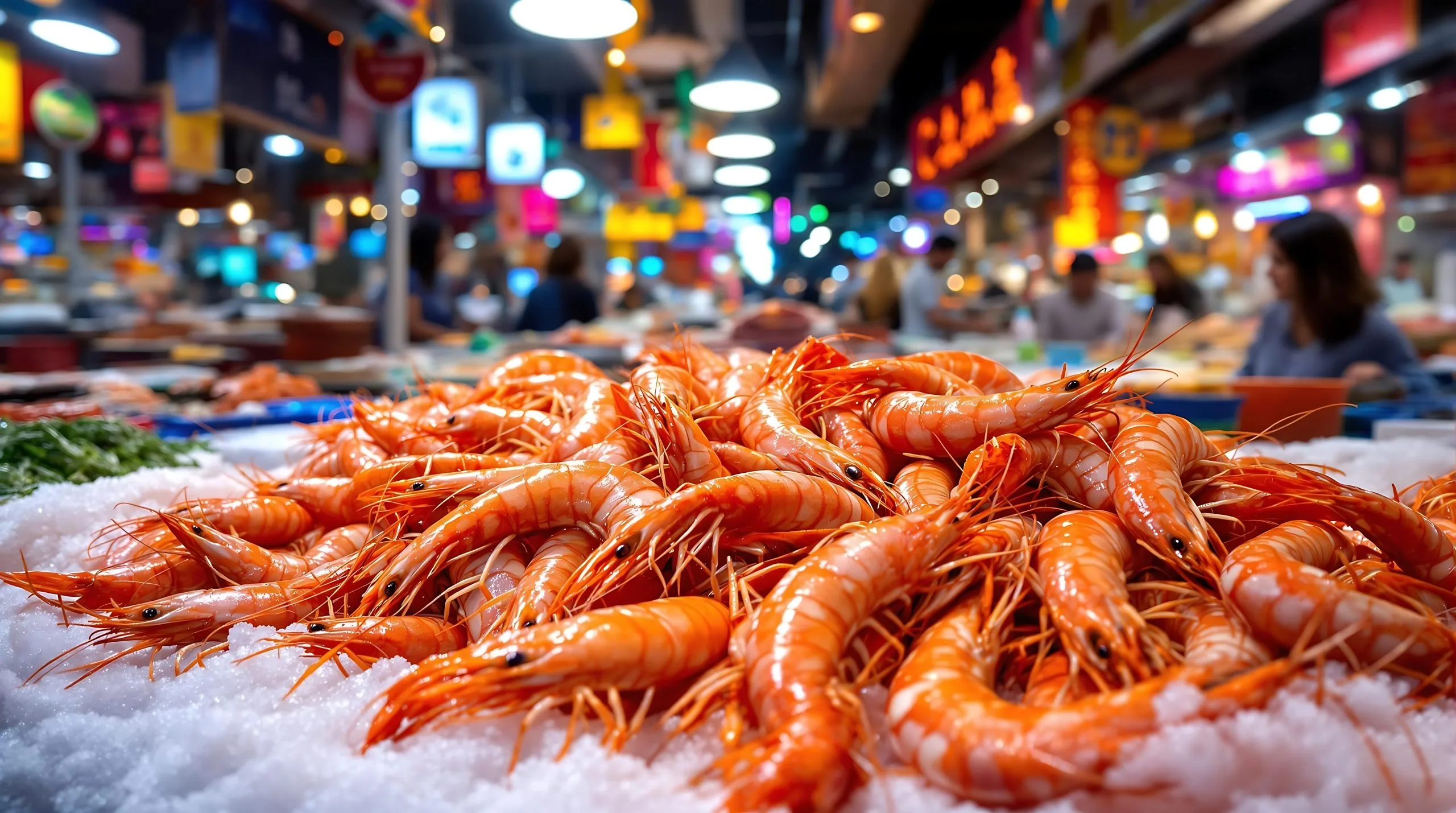
The Philippines shrimp market is gaining momentum as seafood consumption rises, aquaculture practices improve, and demand from restaurants, households, and export channels strengthens. Shrimp remains an important seafood category in the country due to its use in everyday meals, foodservice menus, frozen seafood products, and value-added processing. The market reached USD 335.9 million in 2025 and is projected to reach USD 474.4 million by 2034. As consumers look for protein-rich and versatile seafood options, shrimp is becoming a stronger opportunity for producers, processors, and retailers across the Philippines.
Key market drivers are strengthening shrimp demand in the Philippines
Seafood consumption is supporting steady domestic demand
Shrimp is widely used in Filipino cuisine, including home-cooked dishes, restaurant meals, street food, and festive occasions. Its versatility across fresh, frozen, peeled, cooked, and value-added formats makes it attractive to both households and foodservice operators. Rising urbanization, changing food habits, and demand for convenient protein options are supporting steady shrimp consumption. Supermarkets, wet markets, online grocery platforms, and restaurants are helping improve product accessibility. As more consumers seek nutritious and easy-to-prepare seafood, shrimp producers have opportunities to serve both traditional and modern retail channels.
Aquaculture improvements are expanding supply potential
Aquaculture plays an important role in supporting shrimp production in the Philippines. Better pond management, hatchery development, feed quality, disease monitoring, and farming practices can improve productivity and reduce production risks. Whiteleg shrimp and other farmed shrimp varieties are gaining attention because they can support commercial-scale production when managed effectively. The global aquaculture market reached USD 607.13 billion in 2025, with Asia Pacific holding 63.44% share, showing the region’s strong role in seafood farming. For the Philippines, improved aquaculture systems can support more stable supply and better product quality.
Export and value-added processing are creating new opportunities
Export markets and processed seafood demand are creating opportunities for shrimp producers and processors. Frozen shrimp, peeled shrimp, cooked shrimp, and ready-to-cook products can help businesses serve international buyers, hotels, restaurants, and modern retail chains.
Government initiatives and aquaculture programs are supporting market development
Government support for fisheries modernization, aquaculture development, food security, and export competitiveness is helping strengthen the Philippines shrimp market. Agencies focused on fisheries and aquatic resources continue to promote better farming practices, hatchery improvements, disease management, and sustainable aquaculture. Training programs, technical support, and quality standards can help farmers improve productivity and meet buyer requirements. Support for cold chain development, processing facilities, and market access can also improve shrimp quality, reduce post-harvest losses, and strengthen participation in domestic and export markets.
Competitive landscape is becoming more quality and supply focused
The Philippines shrimp market includes aquaculture farms, hatcheries, feed suppliers, seafood processors, exporters, wholesalers, wet market traders, supermarkets, restaurants, and online seafood retailers. Competition is shaped by product freshness, size grading, price, disease control, certification, cold chain reliability, and buyer relationships. Larger processors and exporters focus on quality consistency and compliance, while local traders and retailers serve daily seafood demand. Businesses that can offer reliable supply, traceability, hygienic handling, and value-added shrimp products are better positioned to compete across domestic and international channels.
Market challenges continue to affect production and profitability
Disease outbreaks can disrupt farm productivity
Shrimp farming remains vulnerable to disease risks, water quality issues, and biosecurity gaps. Poor pond management or weak monitoring can reduce yields and increase production costs.
Feed costs and climate risks can pressure margins
Feed prices, extreme weather, flooding, and changing water conditions can affect farm profitability. Producers need better planning, resilient infrastructure, and efficient farm management to protect margins.
Future outlook
The future outlook for the Philippines shrimp market remains positive, supported by seafood consumption, aquaculture upgrades, foodservice demand, and export opportunities. The market is projected to reach USD 474.4 million by 2034, creating room for investment in hatcheries, cold chain systems, processing, disease monitoring, and sustainable farming practices. Opportunities are expected across frozen shrimp, peeled shrimp, cooked shrimp, ready-to-cook formats, and premium-quality products. Businesses that combine productivity, traceability, biosecurity, and value-added processing will be better positioned to capture long-term growth.
Consultants at Nexdigm, in their latest publication “Philippines shrimp market outlook to 2035,” analyze the sector By Species Type (Black Tiger Prawn, Whiteleg Shrimp, Freshwater Prawn, Wild-Caught Marine Shrimp), By Product Form (Live Shrimp, Fresh Chilled Shrimp, Peeled and Deveined Shrimp)
Nexdigm suggests that businesses in the Philippines shrimp market should focus on sustainable aquaculture, hatchery quality, disease management, and value-added shrimp products to strengthen market competitiveness.
To take the next step, simply visit our Request a Consultation page and share your requirements with us.
Harsh Mittal
+91-8422857704