
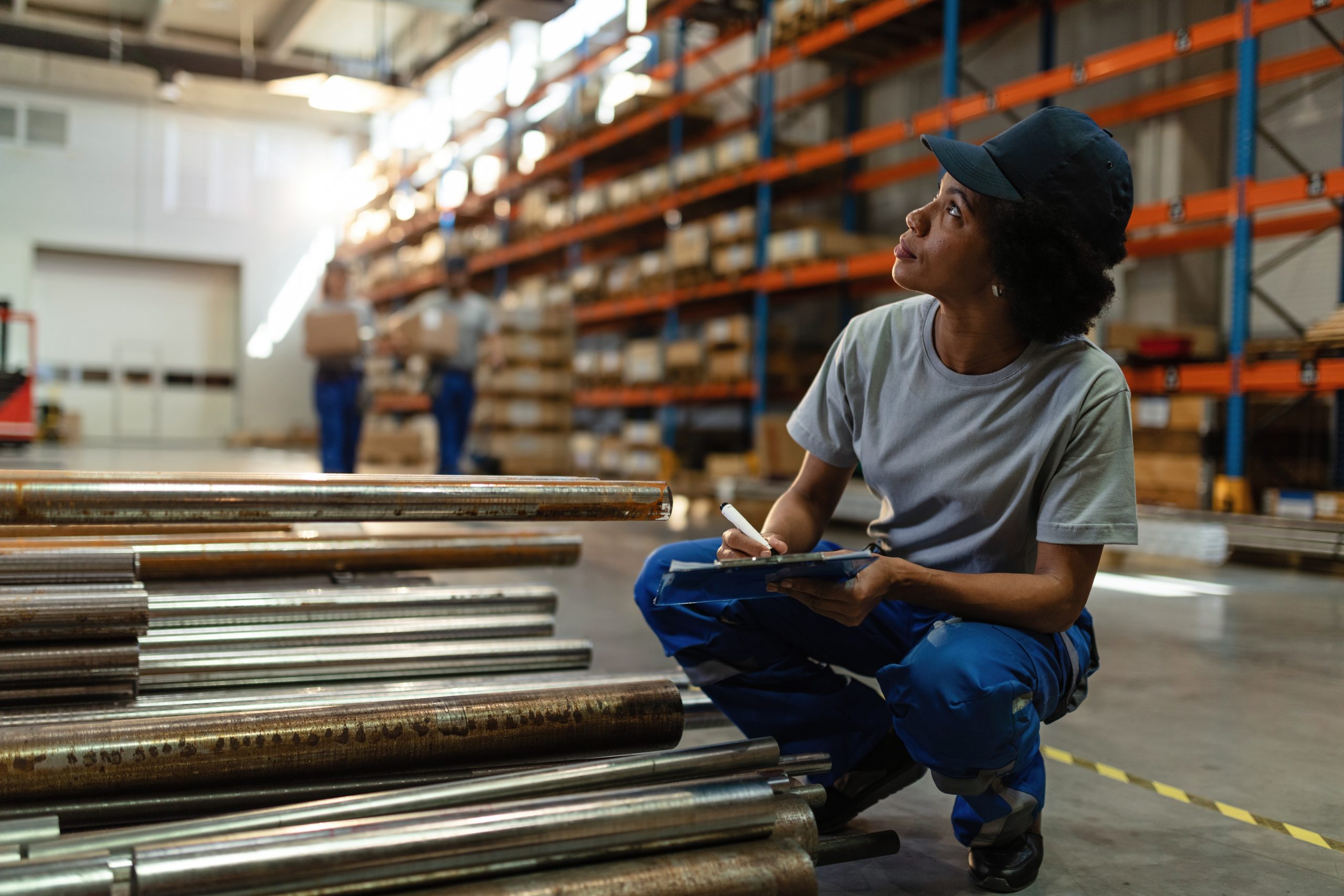
The Philippines sintered steel market is gaining opportunities through automotive demand, industrial manufacturing, machinery production, and increasing adoption of precision-engineered metal components. Sintered steel is widely used in automotive gears, bearings, structural components, industrial machinery, and mechanical assemblies. The country’s automotive market recorded approximately 491,395 vehicle sales in 2025, representing 3.7% annual growth. Additionally, manufacturing activity expanded by approximately 2.5% in 2025, reflecting continued industrial production. These developments create opportunities for powder metallurgy technologies, lightweight components, cost-efficient manufacturing, and specialized sintered steel solutions across automotive and industrial applications.
Market Drivers of Philippines Sintered Steel Sector
Automotive Industry Supports Precision Component Demand
Automotive industry development remains an important demand driver for the Philippines sintered steel market. Sintered steel components are used in transmission systems, gears, bearings, engine assemblies, and other mechanical applications. The country recorded approximately 491,395 vehicle sales in 2025, highlighting a substantial automotive consumer market. This activity supports opportunities for component suppliers, replacement parts, and automotive manufacturing, although vehicle sales do not directly measure domestic sintered steel consumption. Growing interest in electric and hybrid vehicles also encourages demand for precision-engineered components offering dimensional accuracy, durability, and efficient material utilization.
Industrial Manufacturing Strengthens Market Opportunities
Industrial manufacturing contributes to demand for sintered steel across machinery, mechanical equipment, power tools, and specialized engineering applications. The Philippines’ manufacturing sector expanded by approximately 2.5% in 2025, indicating continued industrial activity. Manufacturers increasingly seek components offering consistent mechanical properties, complex geometries, and reduced machining requirements. Powder metallurgy techniques enable efficient production of precision components while minimizing material waste. Expanding industrial applications and regional supply chain participation create opportunities for suppliers offering reliable sintered steel products suitable for machinery and equipment manufacturing.
Powder Metallurgy Advancements Encourage Product Innovation
Technological improvements in powder metallurgy are supporting the development of advanced sintered steel components. Manufacturers are increasingly exploring improved metal powder formulations, precision compaction techniques, controlled sintering processes, and automated quality inspection systems. These technologies help enhance component strength, dimensional consistency, and manufacturing efficiency. Growing requirements for lightweight mechanical assemblies, customized component designs, and cost-efficient production methods are encouraging the adoption of powder-based metal processing. Such advancements can expand opportunities across automotive, industrial equipment, and precision engineering applications.
Government Support towards Philippines Sintered Steel Industry
The Philippines continues to encourage industrial development through manufacturing investment incentives, automotive industry programmes, and technological modernization initiatives. The CREATE MORE Act strengthens investment incentives for eligible manufacturing businesses, while automotive development policies support local production and supply chain expansion. Additionally, the Electric Vehicle Incentive Strategy introduced in 2026 encourages domestic electric vehicle and component manufacturing, with qualifying investment commitments beginning at PHP 5 billion. These initiatives create potential opportunities for precision component manufacturers and advanced metalworking businesses.
Competitive Landscape of Philippines Sintered Steel Industry
The Philippines sintered steel market includes regional powder metallurgy suppliers, metal component manufacturers, industrial distributors, and precision engineering businesses. Competition primarily focuses on material quality, dimensional accuracy, mechanical strength, pricing, technical expertise, and supply reliability. Suppliers increasingly differentiate through customized component designs, advanced sintering processes, and consistent production standards. Growing requirements from automotive and industrial equipment applications encourage improvements in manufacturing efficiency and product performance. Strategic relationships with machinery producers, automotive component suppliers, and industrial distributors remain important for strengthening market competitiveness.
Market Challenges of Philippines Sintered Steel Industry
Raw Material Dependence and Production Costs
Dependence on imported metal powders, specialized alloys, and powder metallurgy equipment can expose manufacturers to international price fluctuations, currency movements, and supply chain disruptions. High initial equipment investments and energy-intensive sintering processes create additional production cost pressures.
Technical Expertise and Quality Requirements
Sintered steel manufacturing requires precise control of powder composition, compaction density, temperature, and component tolerances. Limited access to specialized production expertise and advanced testing facilities can restrict manufacturing capabilities. Maintaining consistent component quality while competing with conventional metalworking technologies remains a significant challenge.
Future Outlook
The Philippines sintered steel market is expected to witness gradual development, supported by automotive industry modernization, industrial manufacturing, and increasing demand for precision-engineered components. Growing interest in electric mobility, lightweight mechanical assemblies, and efficient production technologies will create opportunities for advanced powder metallurgy applications. Improvements in metal powder formulations, automated sintering systems, and quality monitoring technologies are expected to enhance product performance and manufacturing consistency. Additionally, expanding applications in industrial machinery, mechanical equipment, and automotive replacement components will support market diversification. Suppliers focusing on technical innovation, reliable sourcing, customized products, and industrial partnerships should remain well positioned for long-term growth.
Consultants at Nexdigm, in their latest publication “Philippines Sintered Steel Market Outlook to 2035,” analyze the sector By Product Type (Sintered Gears and Sprockets, Bearings and Bushings, Structural Components, Filters, Camshaft Components, Pulleys and Rotors), By Material Composition (Iron‑Carbon Steel, Iron‑Copper‑Carbon Alloys, Nickel‑Alloyed Sintered Steel, Chromium‑Alloyed Sintered Steel)
Nexdigm suggests that businesses in the Philippines Sintered Steel Market Outlook to 2035 should prioritize automotive and industrial applications, strengthen metal powder sourcing, adopt advanced sintering technologies, improve component precision, and expand manufacturing partnerships to enhance competitiveness and long-term growth.
To take the next step, simply visit our Request a Consultation page and share your requirements with us.
Harsh Mittal
+91-8422857704