
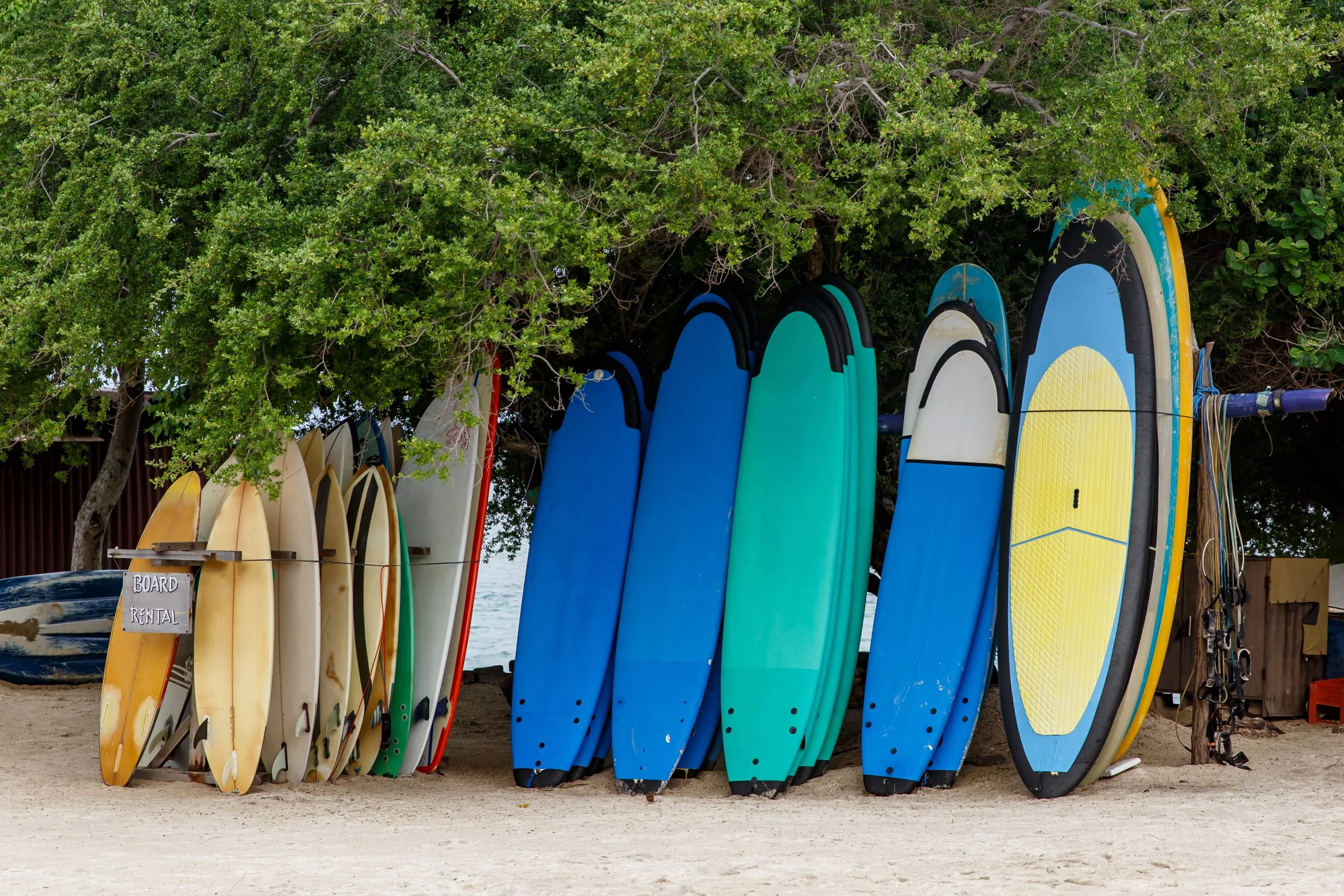
The Philippines surfing equipment market is gaining strong momentum, driven by the country’s reputation as a global surf destination. With over 7,600 islands and world-famous surf spots like Siargao, the country naturally supports a growing surf ecosystem. Tourism continues to play a crucial role, with the Philippines welcoming over 5 million international visitors annually, many drawn to coastal and adventure experiences. At the same time, the global surfing equipment market is projected to reach USD 6.32 billion at a 6.5% CAGR, providing a strong growth backdrop. As more locals and tourists embrace surfing, demand for boards, wetsuits, and accessories is steadily rising.
Key Drivers Powering the Philippines Surfing Equipment Market
World-Class Surf Tourism Boosting Demand
The Philippines is home to internationally recognized surf destinations such as Siargao, La Union, and Baler. Siargao alone attracts thousands of surfers annually, supported by events and competitions that boost global visibility. Surf tourism continues to expand as travelers increasingly seek adventure-driven experiences. This influx of visitors is directly fueling demand for surfing equipment, particularly rental-friendly gear such as beginner boards, rash guards, and safety accessories. Local surf shops and beach vendors benefit from both short-term rentals and long-term purchases.
Growing Local Surf Culture and Youth Participation
Surfing is no longer limited to tourists; it is increasingly becoming part of local lifestyle culture. With a young population and rising interest in outdoor activities, more Filipinos are engaging in surfing as a sport and recreational outlet. Social media exposure and international surf events have further popularized surfing among local youth. This shift is driving demand for affordable equipment and surf apparel, contributing to steady market expansion.
Expansion of Surf Schools and Rental Ecosystems
Surf schools and training centers are playing a vital role in making surfing accessible. Beginners often start with rentals, which reduces entry barriers and encourages first-time participation. As users become more confident, many transition toward purchasing equipment. This creates a strong conversion funnel from casual participation to ownership, supporting long-term demand growth in the market.
Philippines Surfing Equipment Market Supported by Coastal Tourism and Recreation Initiatives
The Philippines’ surfing equipment market is supported by government initiatives focused on tourism development and coastal sustainability. Programs led by the Department of Tourism promote beach destinations and adventure sports, boosting visibility for surfing hotspots. Investments in infrastructure, accessibility, and environmental conservation are helping improve the overall tourism experience. While direct support for surfing equipment remains limited, these broader initiatives are creating a strong ecosystem that encourages participation and drives demand for surf-related products.
Competitive Landscape of Philippines Surfing Equipment Market
The Philippines surfing equipment market features a mix of local manufacturers, surf shops, and international brands. Domestic players often focus on cost-effective and locally adapted products, while global brands cater to premium segments and advanced users. Beachside retail dominates, especially in surf hubs, though e-commerce is gradually gaining traction. Partnerships with surf schools, resorts, and instructors play a key role in influencing customer preferences and driving brand visibility in this experience-driven market.
Philippines Surfing Equipment Market Faces Challenges Limiting Growth
Seasonal Demand and Weather Dependence
Surfing activity is highly dependent on weather conditions and seasonal wave patterns. This leads to fluctuating demand for equipment, particularly in off-peak months.
Infrastructure and Cost Constraints
In some regions, limited infrastructure and high equipment costs can restrict access to quality gear. Imported products may also carry higher prices, limiting affordability for local consumers and slowing adoption.
Future Outlook
The Philippines surfing equipment market is expected to witness steady expansion as tourism, local participation, and surf culture continue to grow. With increasing investments in coastal tourism and infrastructure, the country is well-positioned to strengthen its status as a global surf destination. Global market growth further supports long-term opportunities for equipment manufacturers and retailers. The rise of eco-friendly products and sustainable tourism practices is also likely to influence future demand. As awareness spreads and accessibility improves, the market is set to transition from a tourism-driven niche to a more balanced ecosystem supported by both domestic and international surfers.
Consultants at Nexdigm, in their latest publication “Philippines Surfing Equipment Market Outlook to 2035,” analyze the sector By Product Type (Surfboards, Wetsuits, Fins and Leashes), By End User (Professional Surfers, Amateur Surfers, Rental and Surf Schools).
Nexdigm suggests that businesses should write market‑relevant context by integrating data‑driven insights on market trends, customer behavior, and competitive dynamics to enable informed and strategic decision‑making.
To take the next step, simply visit our Request a Consultation page and share your requirements with us.
Harsh Mittal
+91-8422857704