
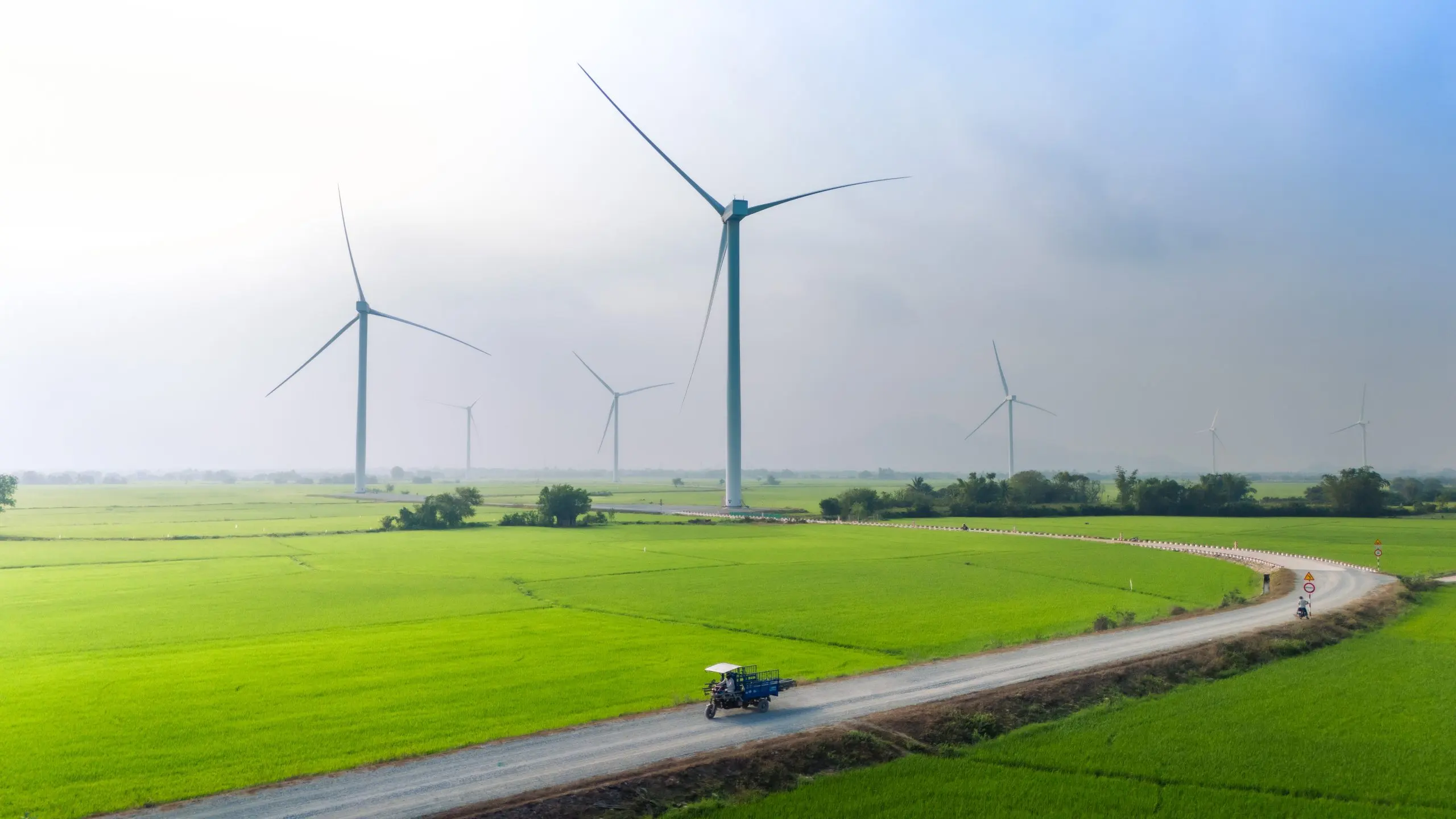
The Philippines is witnessing a promising shift towards wind energy, with major potential for growth in the coming years. As of last year, the country has around 427 MW installed wind capacity; a number expected to surge dramatically. Over the next decade, the wind energy market is forecast to expand rapidly, with the potential for wind-generated electricity to increase from 1.8 TWh to more than 3.5GW in the upcoming years. With a growing demand for clean energy and a commitment to reduce dependence on fossil fuels, wind power is set to become an integral part of the Philippines’ renewable energy landscape. With favorable geography and government support, this market is on track to meet ambitious renewable energy targets.
Key Market Drivers Fueling Wind Power Growth in Philippines
The Renewable Energy Push: Meeting National Goals
As the Philippines strives for cleaner energy, wind power plays a crucial role in the national renewable energy strategy. With the government aiming for 35% of the country’s energy from renewables in the coming years, wind power is expected to meet a significant portion of this target. The national shift to renewable energy is driven by the need to reduce greenhouse gas emissions, improve energy security, and ensure a more sustainable energy future. As the market expands, more wind projects will be developed across the archipelago, leveraging the country’s rich coastal and upland wind resources.
Government Incentives and Policy Support
One of the primary catalysts for wind energy rapid development is government support. Through initiatives such as the Renewable Energy Act, Feed-in Tariff (FiT), and Renewable Portfolio Standards (RPS), the Philippines is creating a favorable environment for wind energy investments. These policies provide financial incentives, subsidies, and tax relief to both local and international developers, reducing financial barriers. Additionally, streamlined permitting processes and fiscal incentives have made it easier for developers to bring projects online. With these policies, the Philippines is positioning itself as a leader in wind energy within Southeast Asia.
Advancements in Wind Technology
Technology is another driving force behind the Philippines’ wind energy market. Advances in turbine efficiency, operational maintenance, and digital tools for predictive analytics have significantly lowered operational costs. Larger turbines and improved storage capabilities are increasing power generation in areas where wind conditions are favorable. These innovations not only make wind energy more cost-competitive but also expand its potential to be deployed in remote areas, increasing wind power share in the energy mix. With continued technological progress, wind energy will play a growing role in the country’s renewable future.
Government Support boosting Philippines Wind Energy Market
The Philippine government has committed to strengthening its renewable energy sector by providing a robust policy framework. The Renewable Energy Act, enacted in 2008, established the groundwork for wind power development by providing incentives for renewable energy projects. With the goal of having renewable energy account for 35% of the total energy mix in the coming years, the government continues to support wind energy through initiatives like FiT and RPS. These measures make wind projects financially viable, attracting investment both locally and internationally. Recent efforts to simplify permitting and grant fiscal incentives further support growth in this sector.
Competitive Landscape Shaping the Wind Energy Market of Philippines
The Philippines’ wind energy market is becoming increasingly competitive, with a mix of local and international developers making their mark. Companies such as ACEN Corporation, Alternergy, and Triconti, along with turbine manufacturers like Vestas and Siemens Gamesa, are among the key players. They are actively involved in both onshore and offshore wind projects, demonstrating a commitment to diversifying the country’s energy mix. With a growing focus on sustainability, the competitive landscape is expected to evolve, with more players entering the market to meet rising energy demands and sustainability goals. The competition among these players drives innovation, reduces costs, and accelerates project development, benefiting the entire industry.
Market Challenges faced in Philippines Wind Energy Market
High Initial Capital Investment
Despite wind energy’s long-term cost advantages, high initial capital investment remains a significant barrier for developers. Wind farms require substantial upfront investment in equipment, installation, and infrastructure, which can deter smaller developers. This challenge is compounded by financing constraints, particularly in rural areas where wind projects tend to be located. However, financial support through government incentives, grants, and green bonds could ease these barriers, making the sector more accessible to potential investors.
Grid Integration and Infrastructure Limitations
Grid integration remains a critical challenge for expanding wind energy capacity in the Philippines. Many of the country’s wind resources are located in remote or offshore areas, which require robust infrastructure to transmit energy to the main consumption centers. Delays in grid upgrades, slow permitting processes, and a lack of integration planning can create bottlenecks for wind projects. Moving forward, investing in grid infrastructure and improved transmission systems will be vital to ensuring that wind energy can contribute effectively to the national grid.
Future Outlook
The future of wind energy in the Philippines is exceedingly bright, with rapid growth expected in the coming years. In the coming years, wind energy’s contribution to the national grid is projected to reach over 10 TWh, a significant increase from its current share. As technology improves and government support continues, the country is poised to unlock its full wind energy potential. Offshore wind development, particularly along the country’s extensive coastlines, will offer additional growth opportunities. The Philippines’ commitment to reducing its carbon footprint and increasing its renewable energy share will pave the way for a sustainable, wind-powered future, making it an important player in the region’s green energy transition. The expansion of the wind energy sector is not only crucial for meeting the country’s renewable energy targets but will also contribute to greater energy security, job creation, and economic resilience. With the right policies in place, the Philippines will continue to develop one of Southeast Asia’s most promising wind energy markets.
Consultants at Nexdigm, in their latest publication “Philippines Wind Energy Market Outlook to 2035,” analyze the sector by System Type (Onshore Wind Turbines, Offshore Wind Turbines, Hybrid Wind Systems, Small-Scale Wind Systems), By Platform Type (Land-Based Platforms, Offshore Platforms, Floating Platforms), and By Fitment Type (Onshore Installations, Offshore Installations, Mobile Installations).
Nexdigm suggests that businesses should align their strategies with the evolving trends and demands in their respective markets, ensuring they stay competitive and relevant in an ever-changing environment. By understanding market dynamics, consumer behavior, and emerging technologies, businesses can make informed decisions that drive growth, profitability, and adapt to regulatory changes to maintain their position in the market.
To take the next step, simply visit our Request a Consultation page and share your requirements with us.
Harsh Mittal
+91-8422857704