
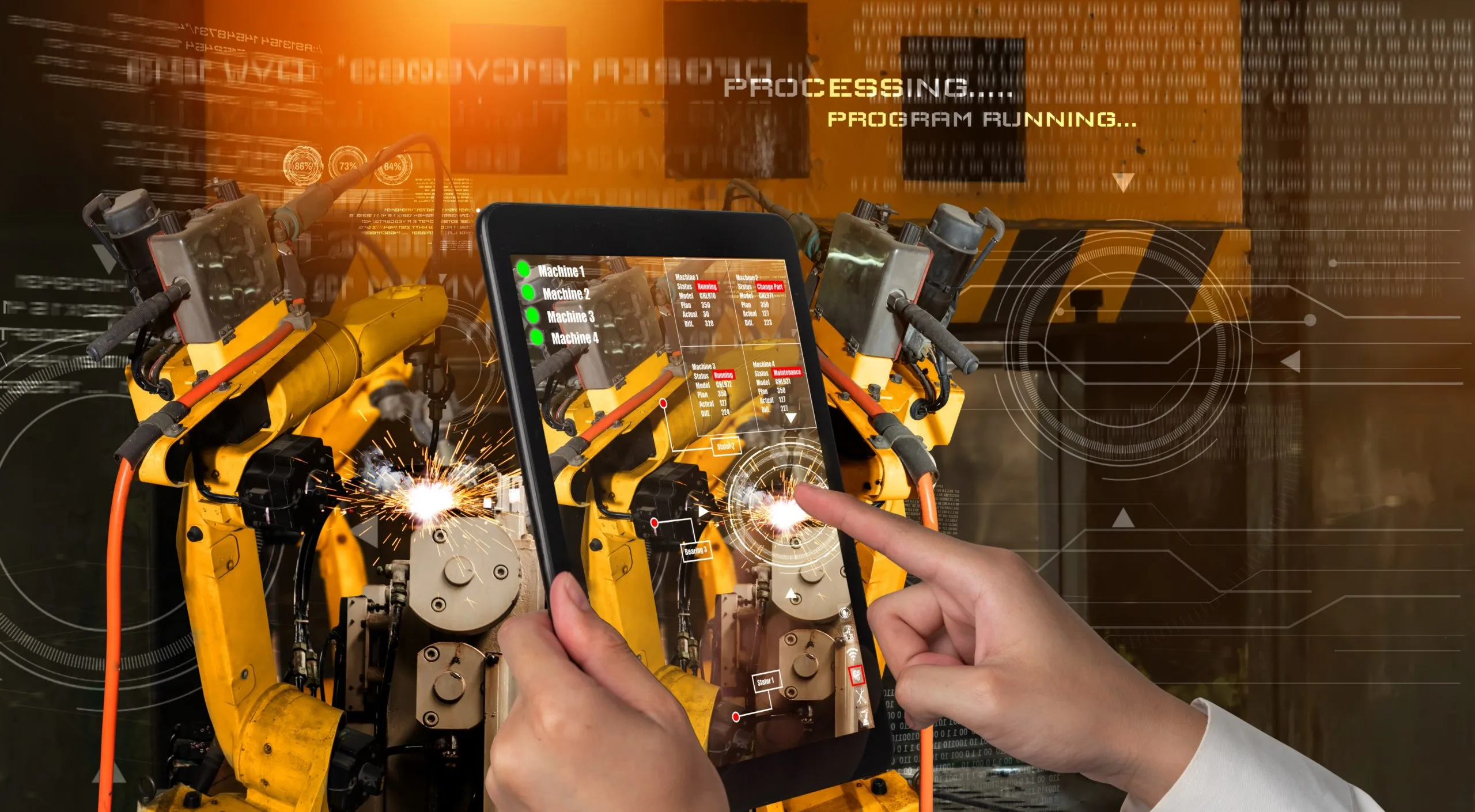
Qatar’s industrial automation market is gradually picking up pace as the country moves toward a more technology-driven and diversified economy. Industries such as oil & gas, manufacturing, and logistics are increasingly adopting automation tools like robotics, control systems, and AI-based solutions to improve efficiency and safety. With global automation markets growing at around 9–10% annually, Qatar is keeping in step by investing in smart infrastructure and digital capabilities. As businesses look to reduce costs and boost productivity, automation is becoming a key part of how industries operate and grow.
Major Factors Fueling Automation Growth in Qatar
Digital Transformation Across Key Sectors
One of the main reasons behind the rise of automation in Qatar is the ongoing digital transformation across industries. In sectors like oil and gas, automation is helping companies monitor operations in real time, reduce risks, and improve overall efficiency. In manufacturing, automated systems and robotics are being used to increase production speed and maintain consistent quality. These technologies are helping businesses operate more smoothly while reducing reliance on manual processes.
Smart Infrastructure and Logistics Expansion
Qatar’s focus on building smart infrastructure is also driving automation. As the country strengthens its logistics and supply chain networks, automation plays a crucial role in improving speed and accuracy. Automated warehouses, robotic material handling, and real-time tracking systems are becoming more common. With e-commerce and trade activity growing, these technologies help businesses manage higher volumes efficiently while meeting rising customer expectations.
Focus on Efficiency and Cost Savings
Companies in Qatar are increasingly turning to automation to optimize costs and improve performance. Automated systems can reduce downtime by up to 20–30% and enhance overall productivity. Tools like predictive maintenance allow businesses to identify potential issues early, avoiding costly disruptions. This shift toward smarter, data-driven operations is encouraging more companies to invest in automation technologies.
Government Support to adopt Automation Market in Qatar
The Qatari government is actively encouraging the adoption of advanced technologies through initiatives aligned with Qatar’s Strategic Policies and Vison. Investments in digital infrastructure, innovation hubs, and smart city projects are creating a supportive environment for automation. Government-backed programs and partnerships with global firms are helping businesses access new technologies and build the capabilities needed to adopt automation effectively.
Competitive Insights of Qatar’s Automation Market
The automation market in Qatar includes global technology companies, regional integrators, and local solution providers. International players bring advanced technologies and expertise, while local firms focus on customizing solutions for specific industry needs. Collaborations between global and local companies are helping bridge knowledge gaps and speed up technology adoption. As demand continues to grow, the market is becoming more competitive, encouraging innovation and better service delivery.
Challenges faced by Qatar’s Automation Market
High Costs and Integration Barriers
One of the biggest challenges for automation adoption is the high initial investment required. Setting up automated systems involves significant costs for equipment, infrastructure, and integration. Additionally, many companies face difficulties when trying to integrate new automation technologies with older systems, which can slow down implementation.
Skills Gap and Workforce Readiness
Another challenge is the shortage of skilled professionals who can manage and maintain advanced automation systems. As technologies evolve, there is a growing need for expertise in areas like robotics, AI, and data analytics. Addressing this skills gap through training and education will be crucial for supporting long-term growth.
Future Outlook
Looking ahead, Qatar’s industrial automation market is expected to continue growing as more industries adopt digital technologies. Automation will become more common across sectors such as manufacturing, logistics, and energy, helping businesses operate more efficiently. Advances in AI and IoT will make systems smarter and more adaptable, enabling better decision-making and performance. With continued government support, increasing investments, and a stronger focus on skills development, Qatar is well-positioned to build a modern, efficient, and competitive industrial landscape.
Consultants at Nexdigm, in their latest publication Qatar Industrial Automation Market Outlook to 2035, analyze the sector by System Type (PLC Type, SCADA System, DCS System, Industrial Robots, Safety Instrumented Systems), by End User segment (Automotive Industry, Electronics and Semi-Conductors, Oil and Gas, Food and Beverage, Pharmaceuticals).
Nexdigm suggests that businesses should invest in talent development to equip their workforce with the skills necessary to navigate technological advancements. In addition, forming strategic partnerships and fostering innovation are essential to driving growth and sustainability in the long term. By taking these steps, companies can adapt to market changes, reduce costs, and maintain a competitive edge in their industries.
To take the next step, simply visit our Request a Consultation page and share your requirements with us.
Harsh Mittal
+91-8422857704